
It’s called a Micro-Enterprise Home Kitchen Operation, or MEHKO. And they just became legal in Long Beach, allowing people to do a ton of food-focused business right out of their homes. Lunch or dinners for pickup. Offer pre-ordered meals. Run small pop-ups from home. Build a catering-style business. Test restaurant concepts before opening a brick-and-mortar space.
The possibilities are practically endless, and it will showcase a whole new side to Long Beach once the program launches in the summer.
While there have been many articles noting this—Samantha Diaz’s coverage, from the beginning of its proposal toward its recent passing for the Signal Tribune, has been nothing short of stellar—and I know it was extremely newsworthy when the law went into effect here, I wanted to wait to see what it would actually look like in Long Beach itself.
And Steak Freaks, a collaboration between Chef Brad Thomas of Loverboy Provisions and Clay Wood of Clay on First, showcases that. After the experience and as MEHKOs grow in Long Beach once the program is formally launched this summer, there will no doubt be a conversation from all perspectives, both supportive and critical, that we will have to explore as a community.
Wait—what is Steak Freaks? And how is it related to Long Beach MEHKOs?
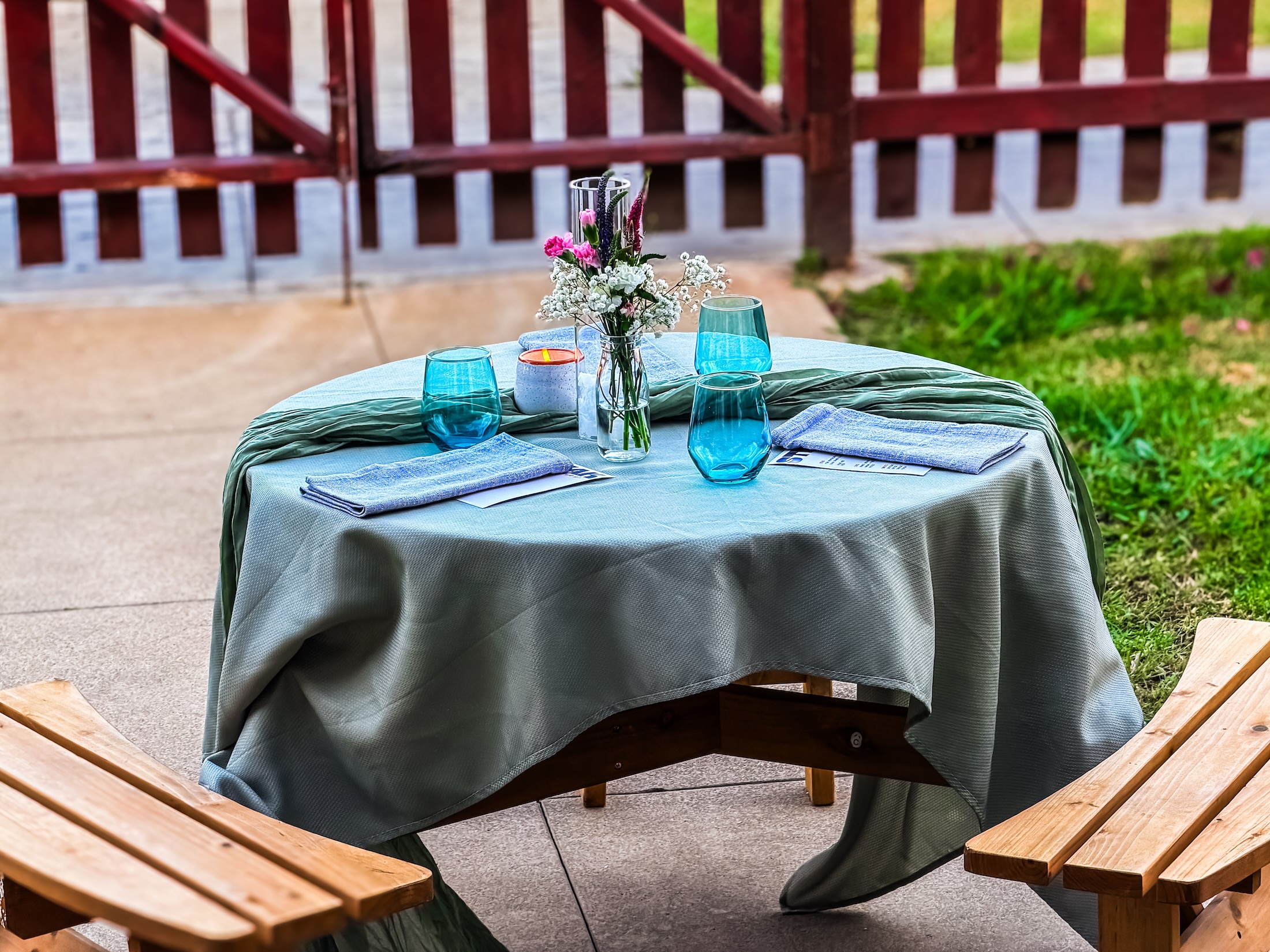
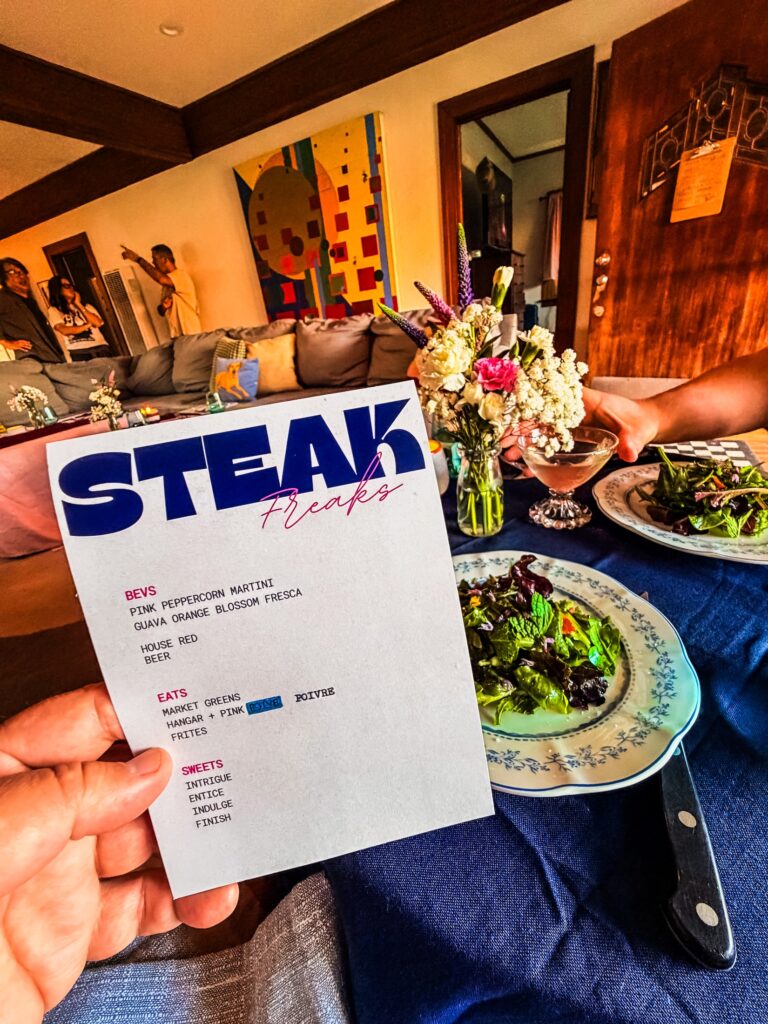
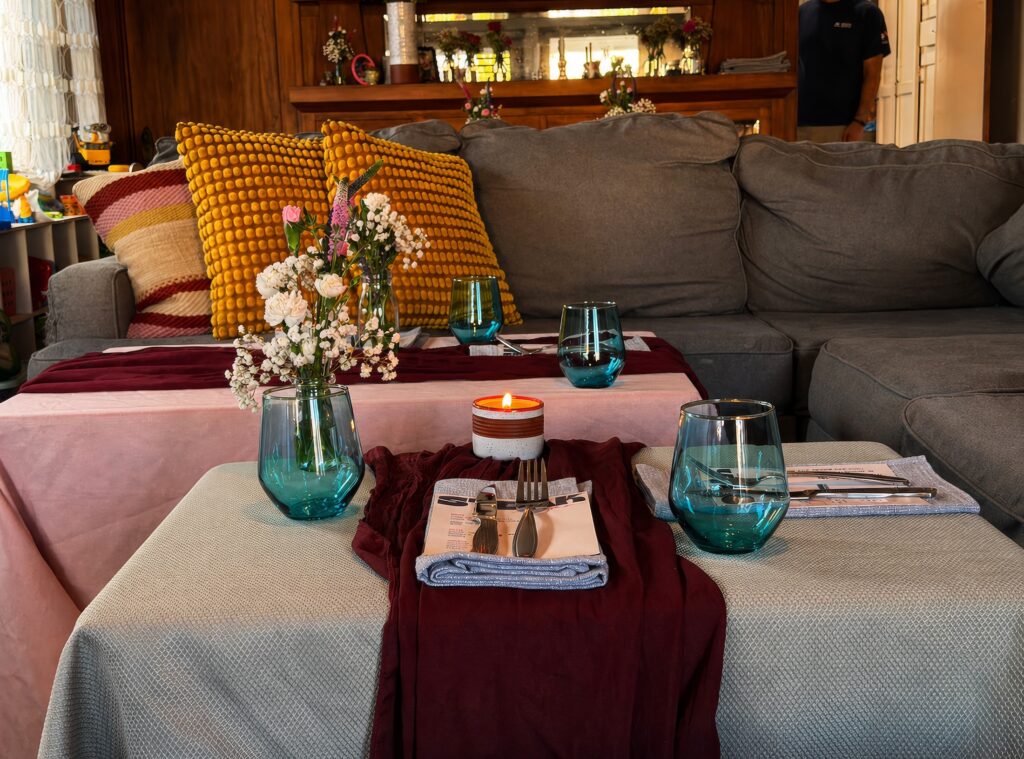
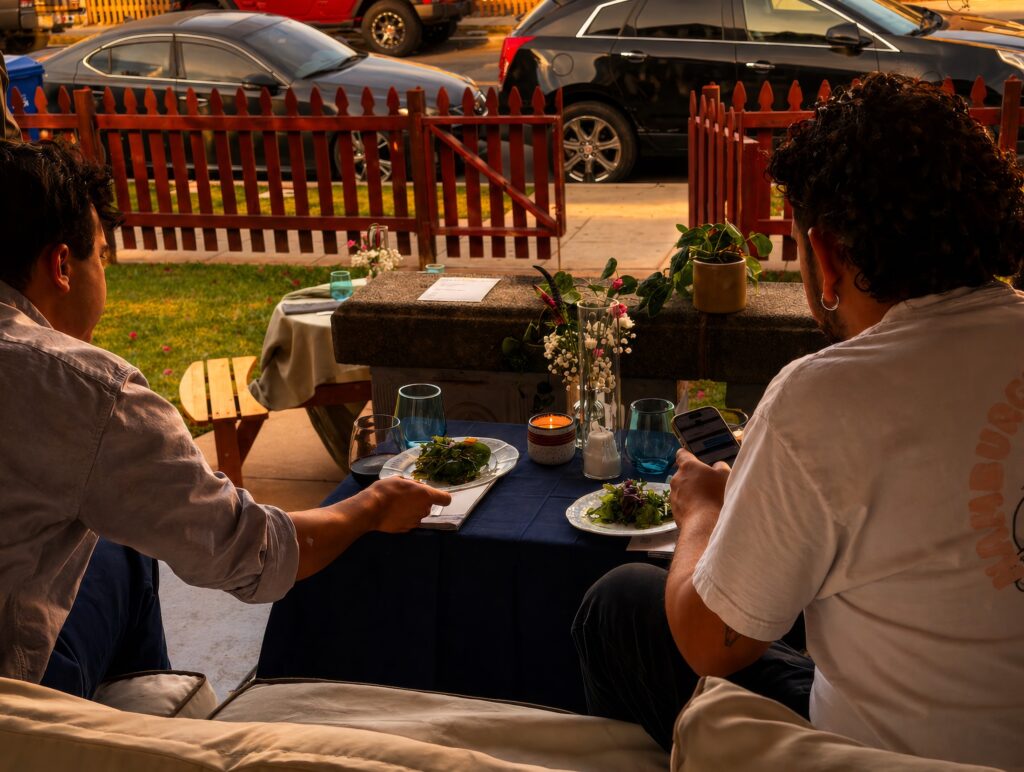
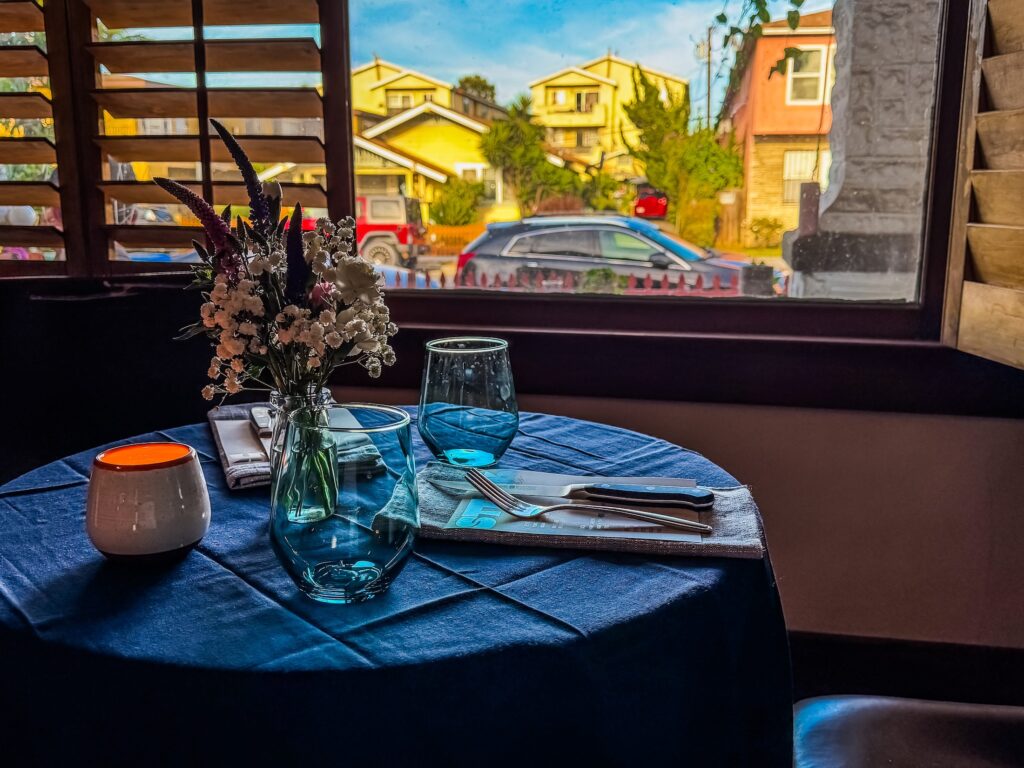
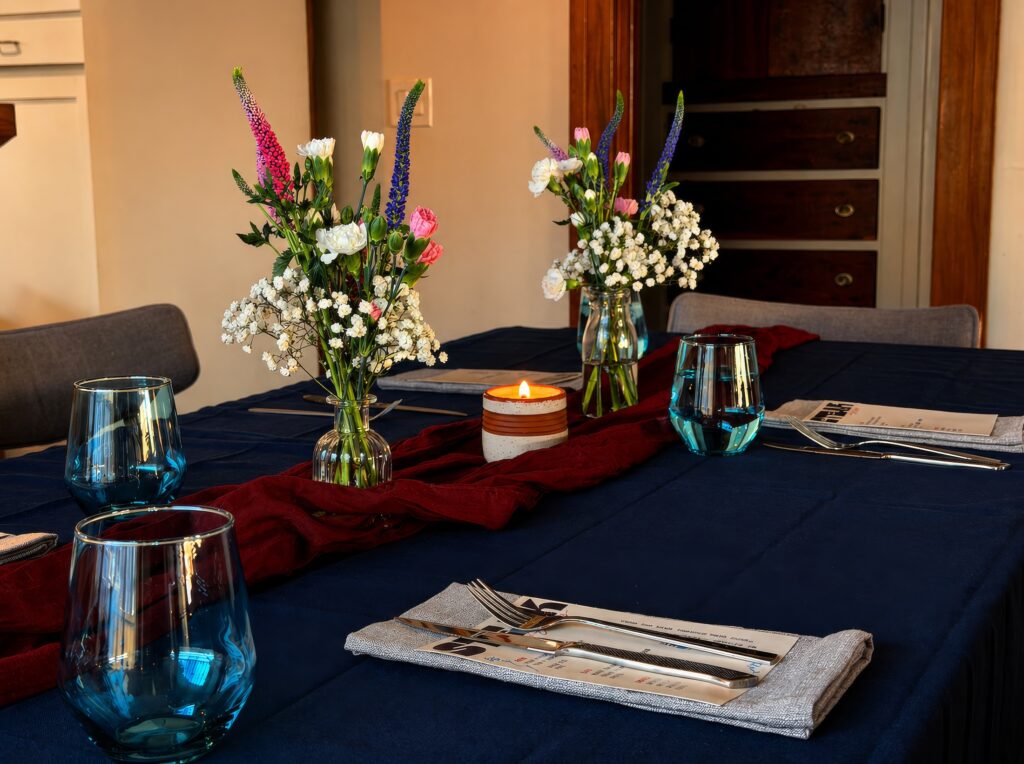
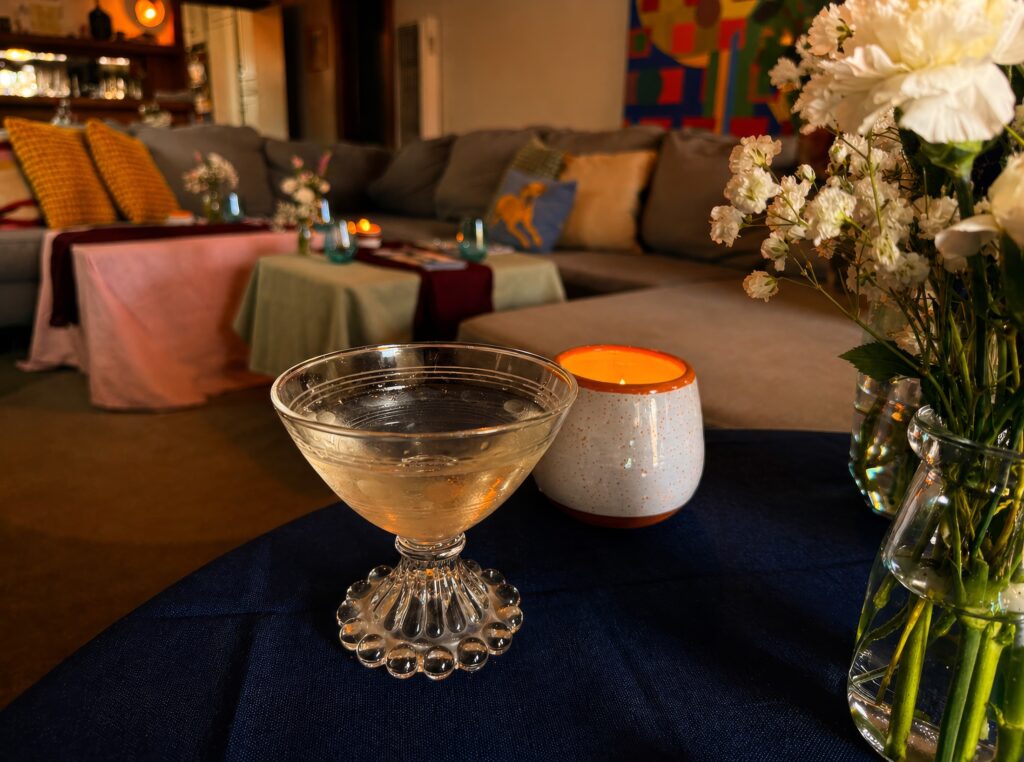
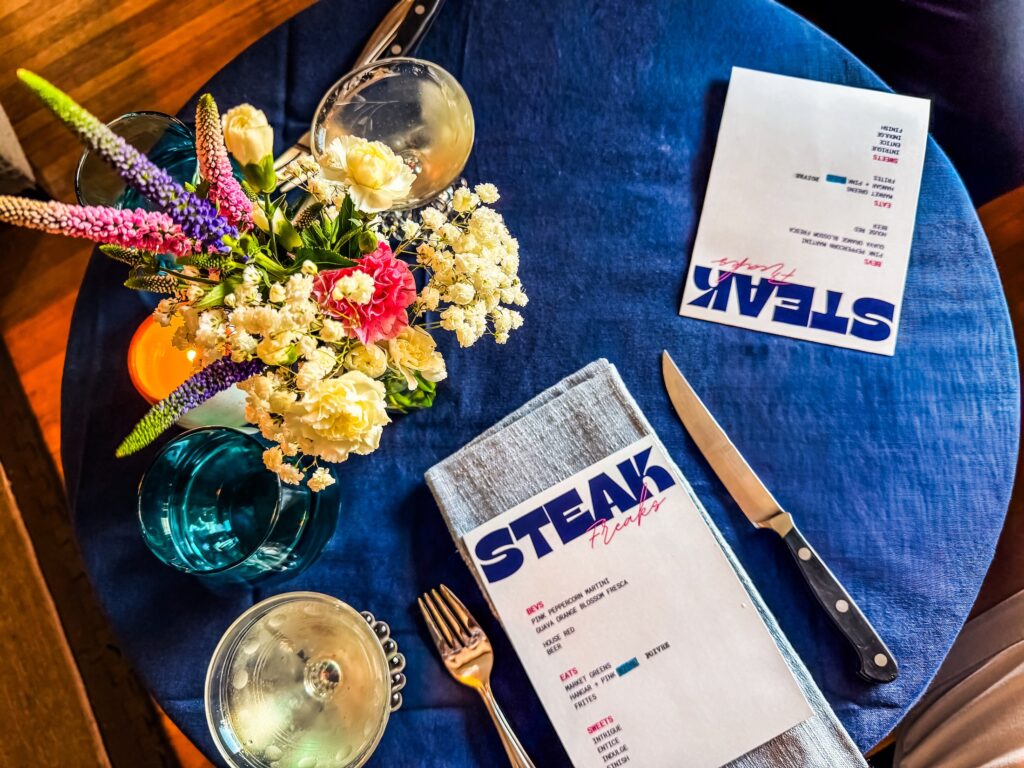
Steak Freaks is a restaurant. Well, kind of. They’re what a MEHKO restaurant could look like—well, as of now, operating as a pop-up until the MEHKO program goes into full swing when the permit program launches this summer. Located at Clay’s home on the Rose Park border, they have chairs assembled out on the front lawn. On the deck. In the living room…
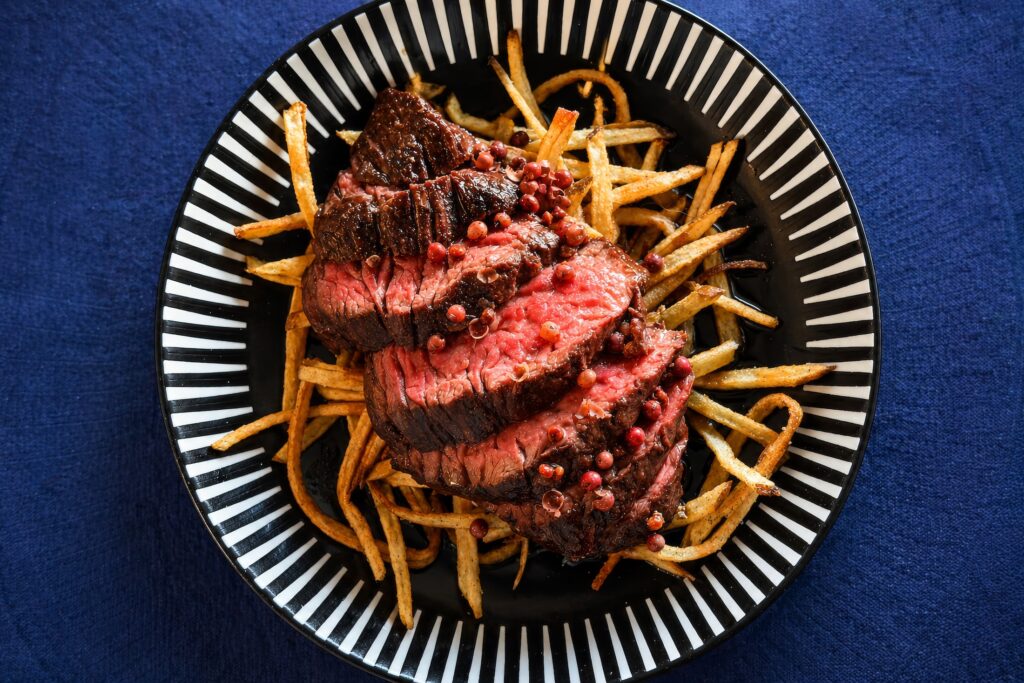
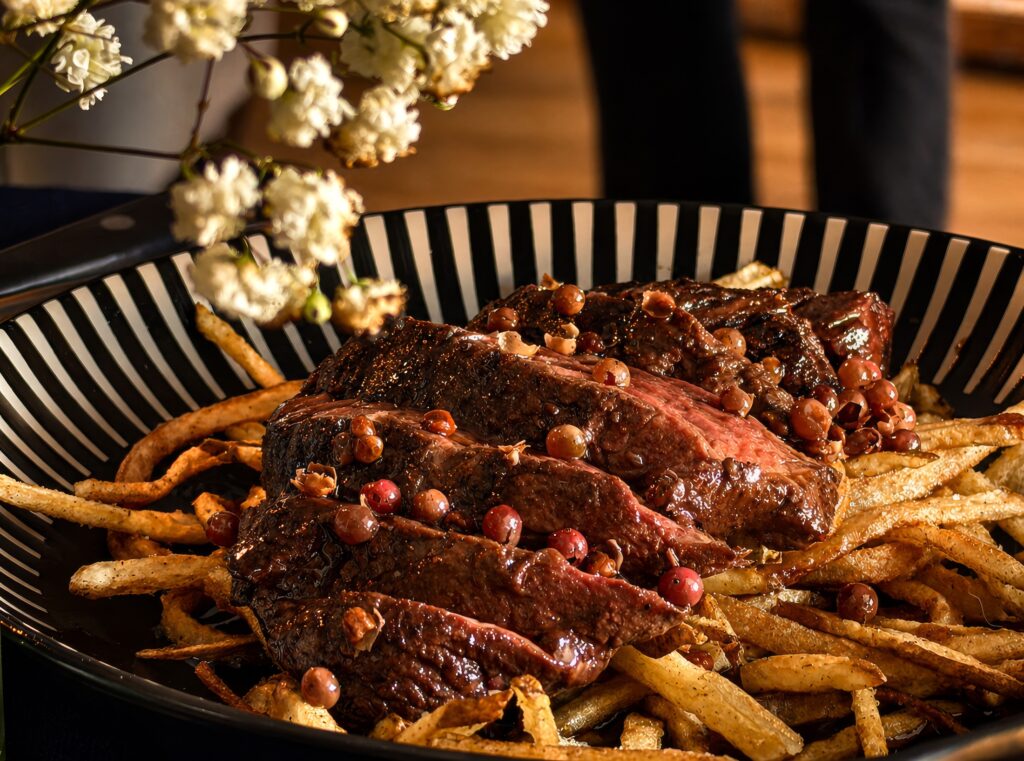
The menu was prix fixe. Someone could make you a pink peppercorn martini, in honor of the night’s entree: steak frites slathered in a pink peppercorn sauce for a steak au poivre riff. Or a mocktail… You simply make a reservation and go. (Of note: Long Beach’s MEHKO program will not permit alcohol sales.)
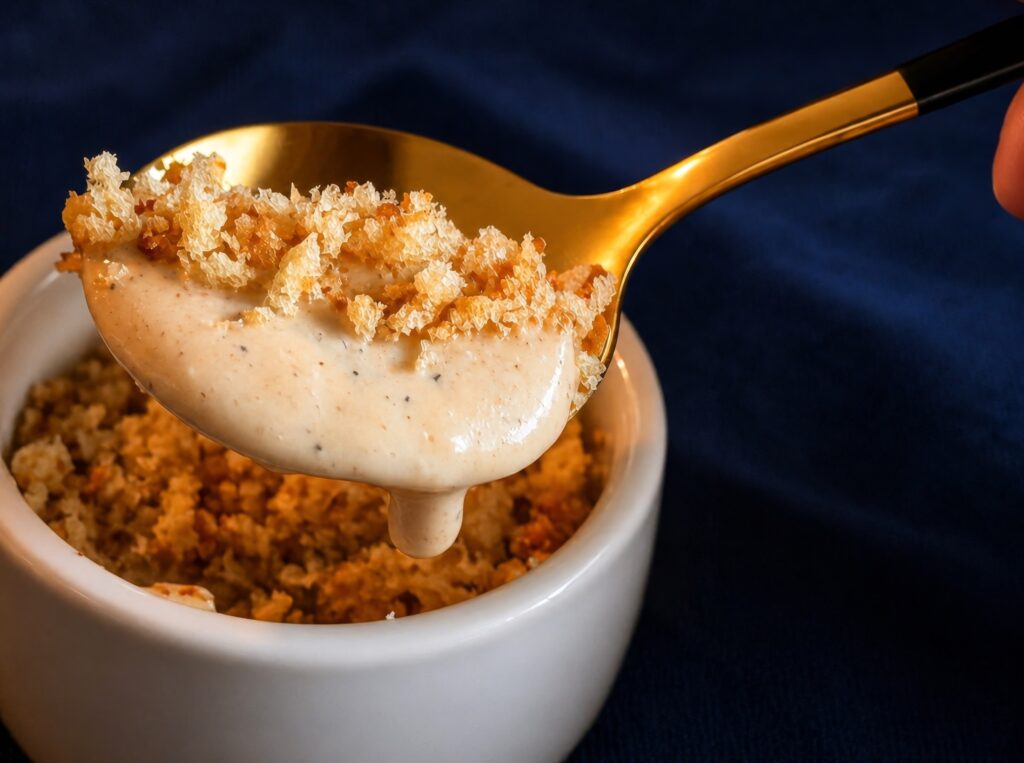
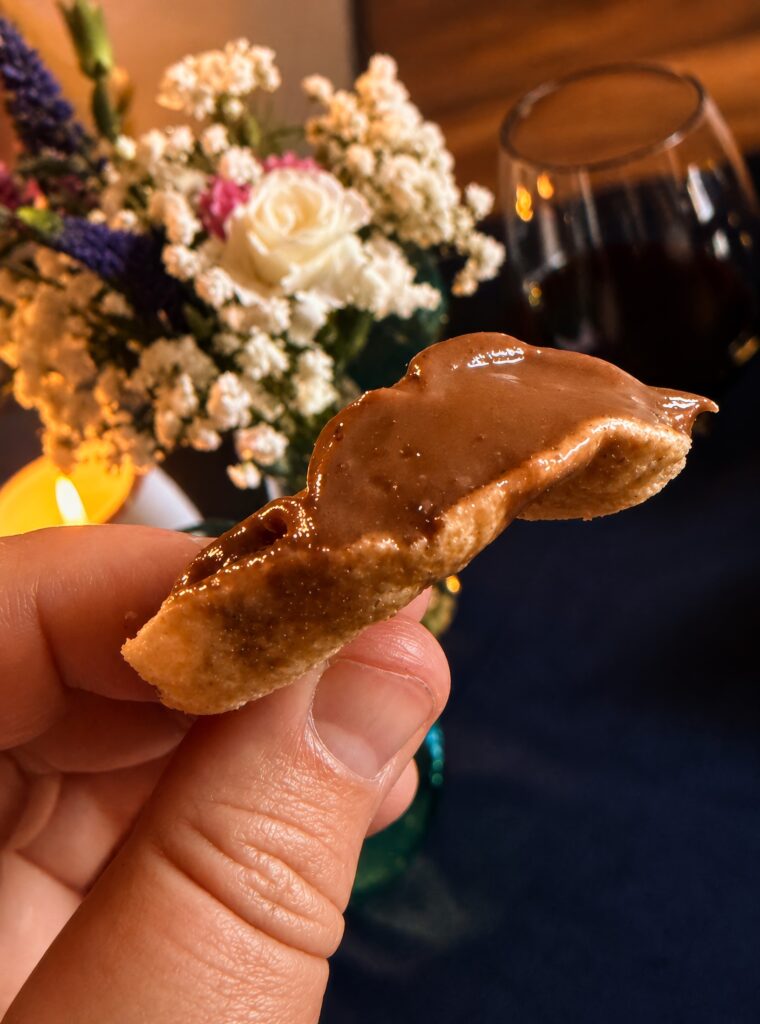
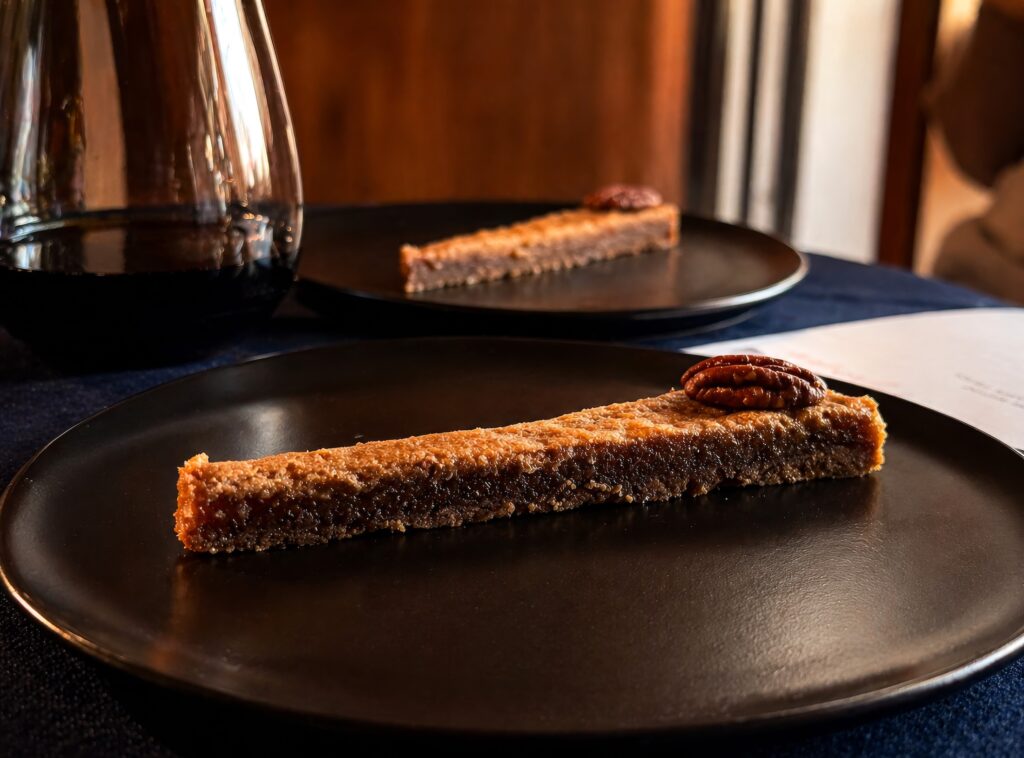
And where Chef Brad really shone? A post-steak, four-dessert spree that layered savory and sweet in gallantly gorgeous ways—like a deconstructed, literally-thrown-in-a-blender pimento cheesecake that was genuinely giddy-inducing.
“Chef Brad is just very excited to cook,” Clay said. “It’s a true art form for him. So for him to have the chance to share it with a much larger part of the city is special to us both. I’m stoked to be able to bring this kind of distinct, unique experience to this city through MEHKO. In many ways, it breaks down many barriers to entry… It’s an exceptional amount of fun right now. And I know business has a way of making things complicated, but we are always going to strive to enjoy things and bring that joy to our customers.”
There are limits in MEHKOs. But how will they be enforced?
As Clay notes, Long Beach MEHKOs have an interesting financial requirement: they cannot pull in more than $100,000 per year in revenue. That means that, if you’re running a situation like Steak Freaks, labor, food cost, decorations, marketing, and everything must come out of that $100,000.
The thing is—and the question everyone has: Who is going to enforce this? Will MEHKOs have to pay for auditors? Will health inspectors be as notoriously picky with MEHKOs as they will with brick-and-mortars? I kid you not when I say it is a true story that health inspectors were called to Selva after a guest claimed they saw Chef Carlos Jurado getting his fish from Colorado Lagoon.
So what are the pluses and minuses to all this? And is there any way we can alleviate the absurd amount of red tape brick-and-mortars face if we can so easily take down barriers for street vendors and MEHKOs?
First, in defense of MEHKOs…
Supporters of MEHKOs rightfully see them as one of the most accessible pathways into the food industry, particularly in expensive regions like SoCal. Even a modest restaurant can require hundreds of thousands of dollars in startup costs. In a truly deep, philosophical sense, MEHKOs democratize food entrepreneurship by allowing talented cooks to legally operate from their home kitchens instead of forcing them into costly commercial or ghost kitchen leases, industrial kitchen buildouts, or informal underground sales.
In essence, the law recognizes a reality that has existed for generations: communities have long relied on home cooks for tamales, Filipino desserts, soul food plates, baked goods, and neighborhood catering. MEHKOs simply provide a legal framework around something already deeply embedded in local food culture. And, of course, the model particularly benefits immigrants, women, working-class families, and first-generation entrepreneurs who may possess culinary talent but lack access to capital or traditional business networks.
There is also a cultural preservation argument. Many home-based food businesses center on recipes and traditions rarely represented in mainstream restaurant spaces. MEHKOs can help families preserve regional cooking styles, family food secrets, and community foodways while creating hyper-local economies rooted in neighborhoods rather than corporate restaurant groups.
Economically, MEHKOs can function as incubators. Test menus. Build followings. Test a proof of concept before moving into more formal food spaces. In that sense, MEHKOs are a small-business ladder rather than an endpoint. Plus, public health advocates who support the model also argue that regulation is preferable to criminalization.

…but also, the larger concerns and criticisms surrounding MEHKOs.
Like street vendors—and despite the very heated comment sections—reasonable critics of MEHKOs generally do not dispute the value of small food entrepreneurship. Rather, their concerns center on fairness. Brick-and-mortar restaurant owners often spend enormous amounts of money: Rent. Permits. Labor compliance. Insurance. ADA upgrades. Grease traps. Vents… Did you know you need to pay the city for a permit in order to use your own security system? Or that, once you have your alcohol license, in order to serve, you need to pay for what is called a CUPx, which is the city’s blessing of your ABC license?
Food safety is another major and rightful point of debate. Traditional commercial kitchens are designed specifically for high-volume food production and are subject to extensive infrastructure standards. Opponents question whether private homes—where pets, children, personal groceries, and everyday household activity exist—can consistently maintain the same level of sanitation and operational separation expected in restaurants. While MEHKOs are inspected and regulated, skeptics worry that enforcement resources may not be sufficient as the model expands.
Labor advocates have additionally raised questions about worker protections and scalability. Because many MEHKOs are intentionally small and family-operated, critics argue the model can blur lines between informal labor and regulated employment standards.
In the end, the overall equation remains the same: Let’s make it easier to make food for our communities.
In the end, and even within the restaurant industry itself, opinions are nuanced. Some chefs and restaurateurs strongly support MEHKOs as vital incubators for future culinary talent. Others? They worry the system reflects a broader failure to address the deeper issue: the increasingly unsustainable cost of opening and operating a traditional restaurant in California.
The same, shared sentiment, no matter who is speaking? The dire need to make it easier, cheaper, and more accessible to feed our communities healthily—whether it is a MEHKO, a restaurant, or a street vendor.
Steak Freaks is now open for reservation bookings. To reserve your dinner space, click here.