
For Eduardo Ponce—the chocolatero opening up Californio Chocolate on Anaheim Street in the Zaferia district—the world of Mexican cacao is one that is not just underrated but deeply sacred.
“Even I, as a Mexican, did not know the roots of chocolate in my home country,” Eduardo said. “When I thought of chocolate, I thought of Belgium. I thought of Switzerland. I never knew Mexico had a hand in it… We, quite literally, pioneered it worldwide. For us, it was cultural currency.”
He is not wrong: Long before chocolate became a global confection, it was a sacred drink. It was a tender both financially and socially. And across literal centuries, a cultural cornerstone deeply rooted in Mexico. The history of Mexican chocolate stretches back thousands of years to the Olmec, Maya, and Mexica civilizations, all of whom cultivated and revered cacao long before Europeans had the audacity to believe they “discovered” the Americas.
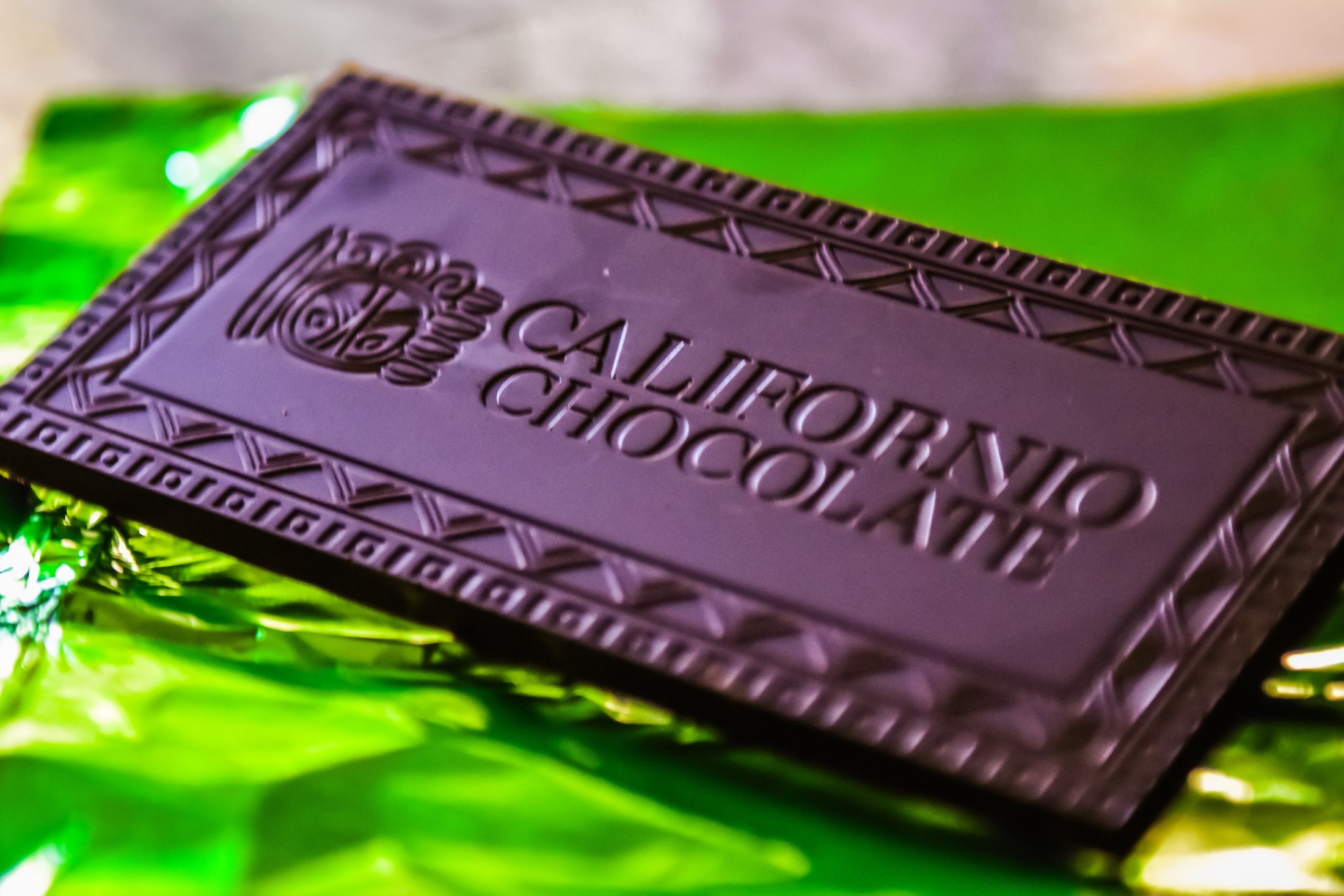
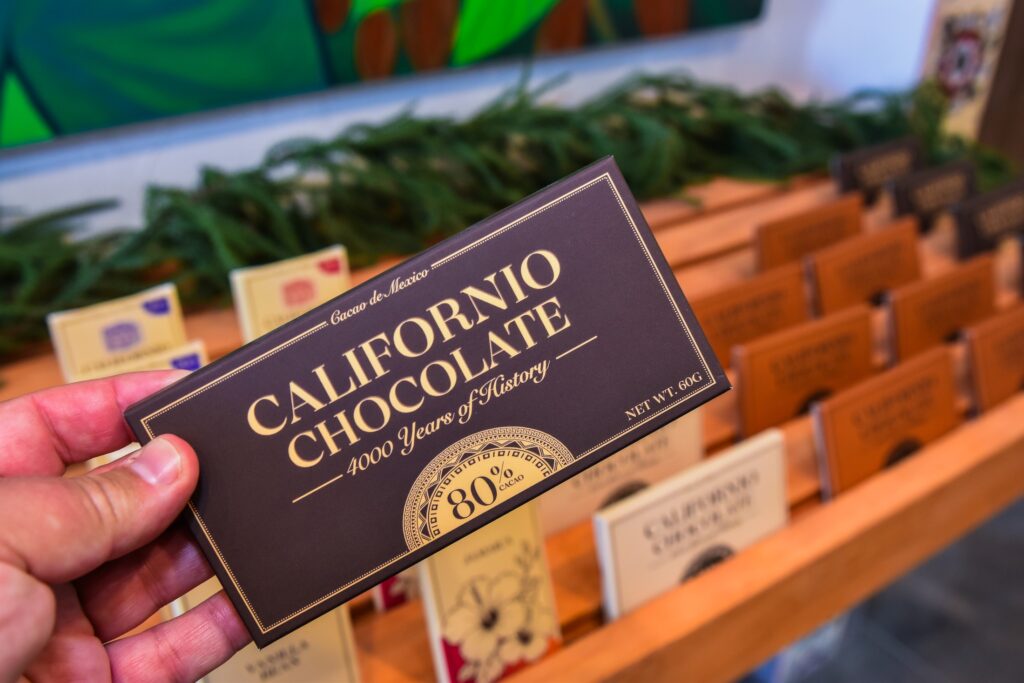
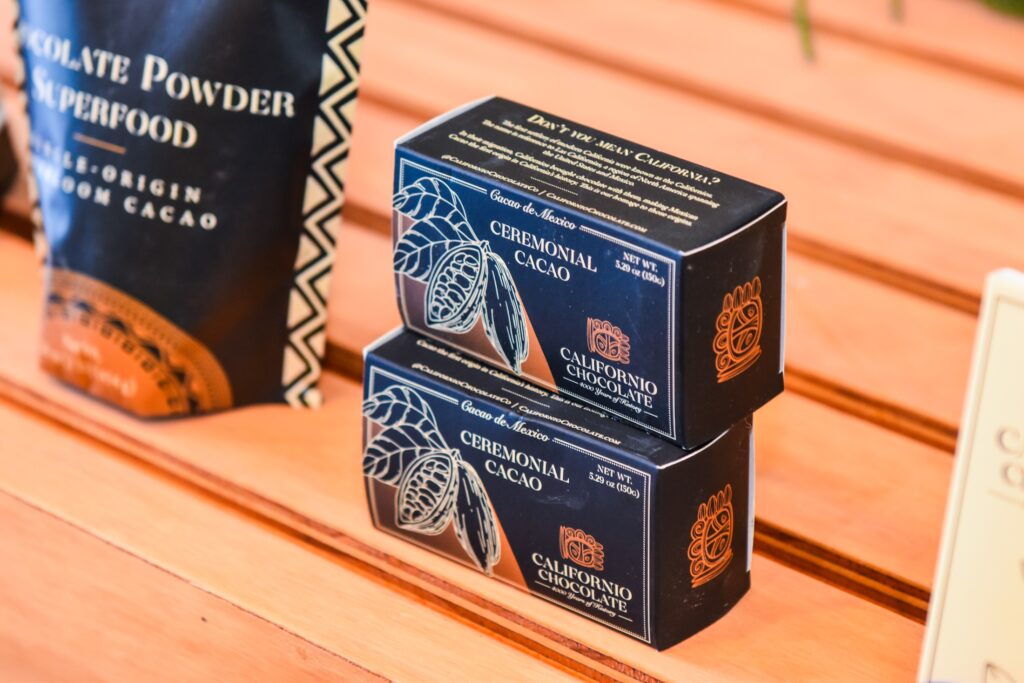
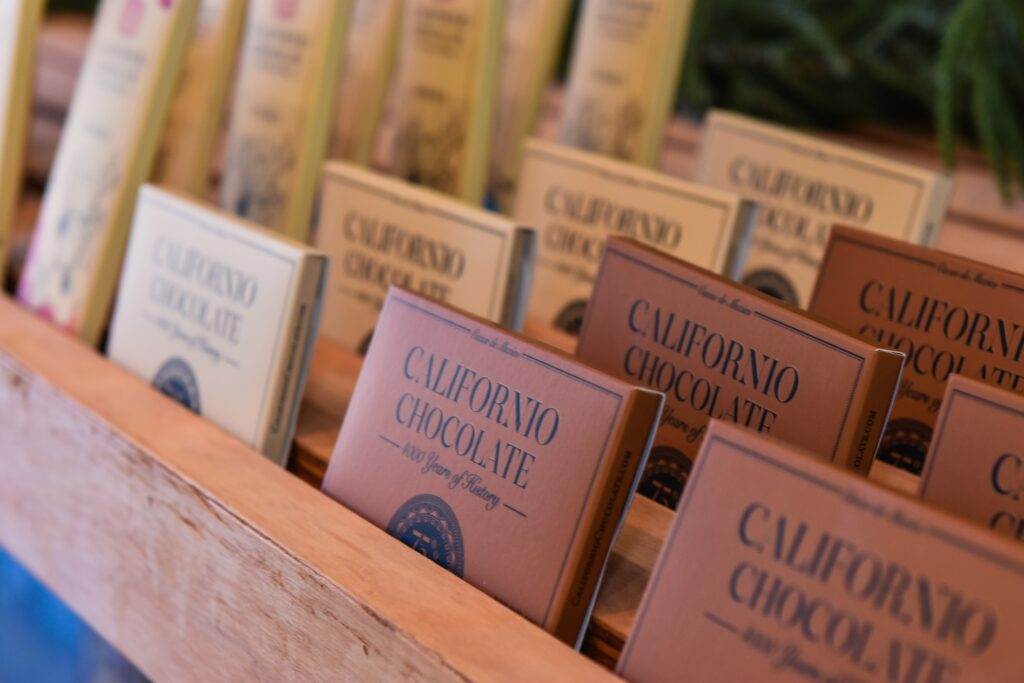
When having the giddy pleasure of unfolding one of Eduardo’s green foil-wrapped bars, you will be greeted with this 4,000-year-old history on the lining of the bar’s box. It is a history worth sharing—and perhaps no one in Long Beach believes that stronger than Eduardo.
Californio Chocolate is the result of divine ancestral communication and, of course, sheer determination.
Despite one’s spiritual or religious beliefs, there is no question that chocolate came to Eduardo through generational spirits and ancestral dreams.
“I was down for two months following an accident while camping in Yosemite,” Eduardo said. “I had a lot of time with nothing but my thoughts. And one night, chocolate came. I don’t know how to explain it, but the thought of it wouldn’t leave me.”
Pervasive in the way only an elder can be, the Mexican Cacao Gods flooded Eduardo with the history of a heritage he didn’t even know of. Family members had never discussed it. He had never really heard about it on a larger scale. And as he dived further and further into the rabbit hole, the influence it would have on him would become his future business.
“It was so impactful to me that it was a part of my culture and I didn’t know it,” Eduardo said. “We can’t just let that history be eradicated depending on what side of the border we’re on.”
For Mexico, the world of chocolate is strongly tied to its identity—and Californio Chocolate wants to invite Long Beach in on that.
For the Maya, cacao was considered divine. (Appropriate considering even the scientific name for cacao, Theobroma cacao, translates roughly to “food of the gods.”) The Mexica, often referred to as the Aztecs, prepared bitter cacao drinks spiced with flowers, herbs, and chile, believing the beverage provided strength and spiritual power.
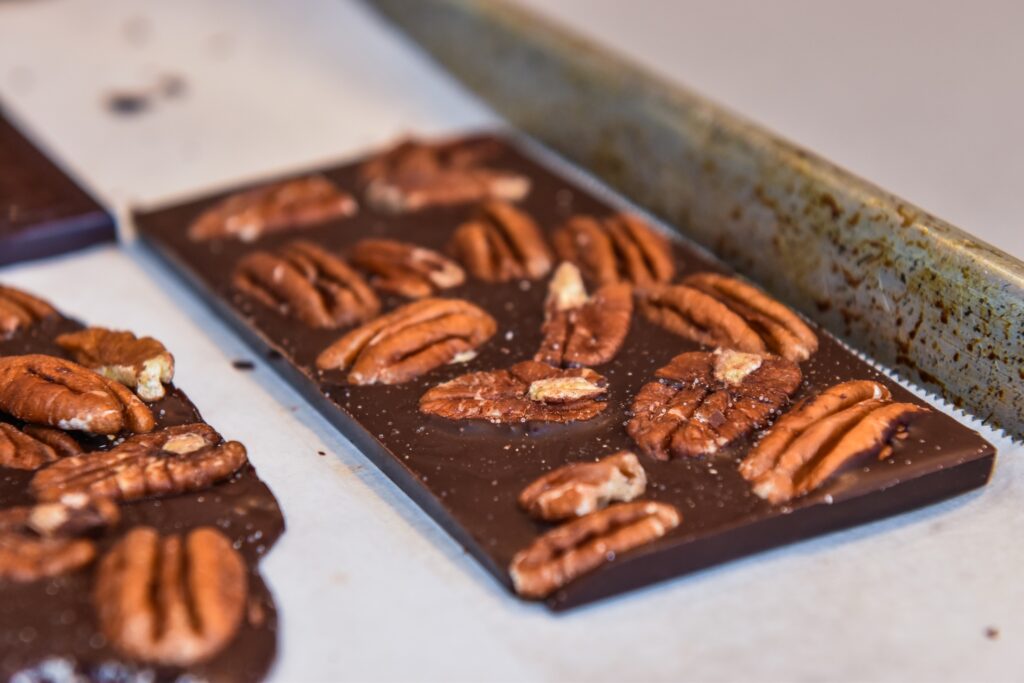
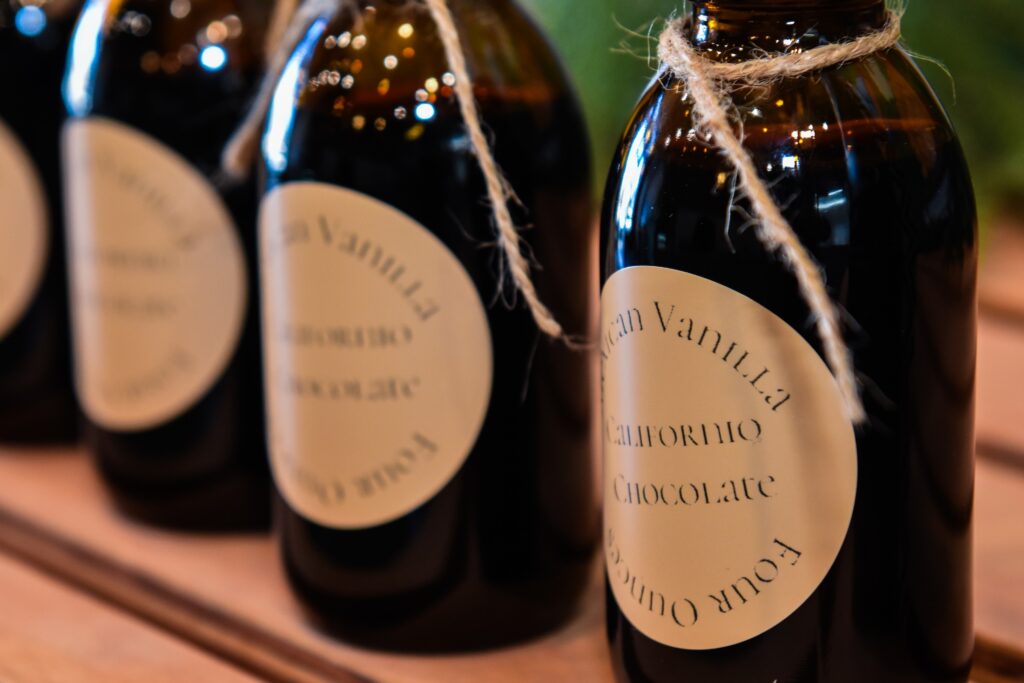
What distinguishes Mexican chocolate from many modern European-style chocolates is its connection to texture, spice, and tradition. Mexican chocolate is often stone-ground, creating a grainier consistency that preserves cacao’s earthy depth. Cinnamon is almost always present, and many preparations incorporate indigenous ingredients like pecans or ojoche, Mexican vanilla or sugar, and chile.
More importantly, chocolate in Mexico is not merely a sweet treat. It is culinary infrastructure. It appears in mole sauces. Celebratory drinks. At breakfast tables with pan dulce. Family rituals that continue across generations… From the frothy cups of hot chocolate whisked with a molinillo to the labor-intensive mole negro of Oaxaca, cacao remains intertwined with identity, memory, and regional pride.
Eduardo began to grasp that when he bought 100 kilos of cacao from farmer in Chiapas: “‘Just play with it.’ That’s what he told me,” Eduardo said, laughing. “So that’s what I did.”
Five years of self-learning birthed Californio Chocolate.
From forcing himself out of the house—”I was driving my wife crazy,” Eduardo admitted—to finding himself at spaces like Crafted at the Port of L.A. and Feel Good Salsa’s ghost kitchen—the latter of which held a particular importance.
“Dina [Feldman of Feel Good Salsa] is one of the hardest working people I’ve ever met,” Eduardo said. “I am indebted to her. Without her, I would have been here—but it would have been much later down the road. She truly inspired to create this space.”
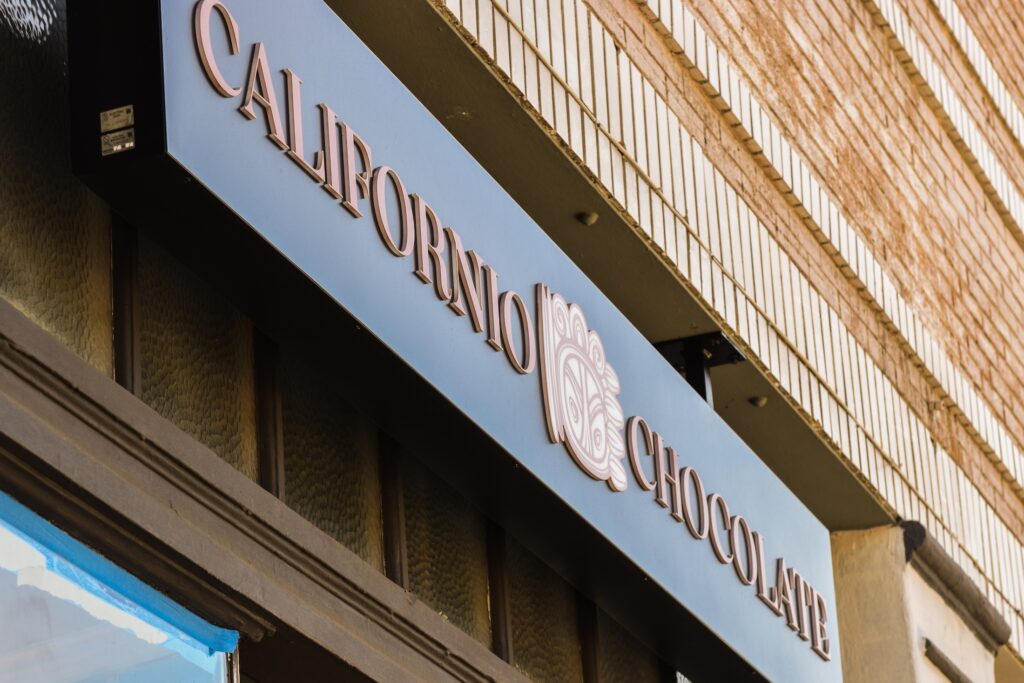
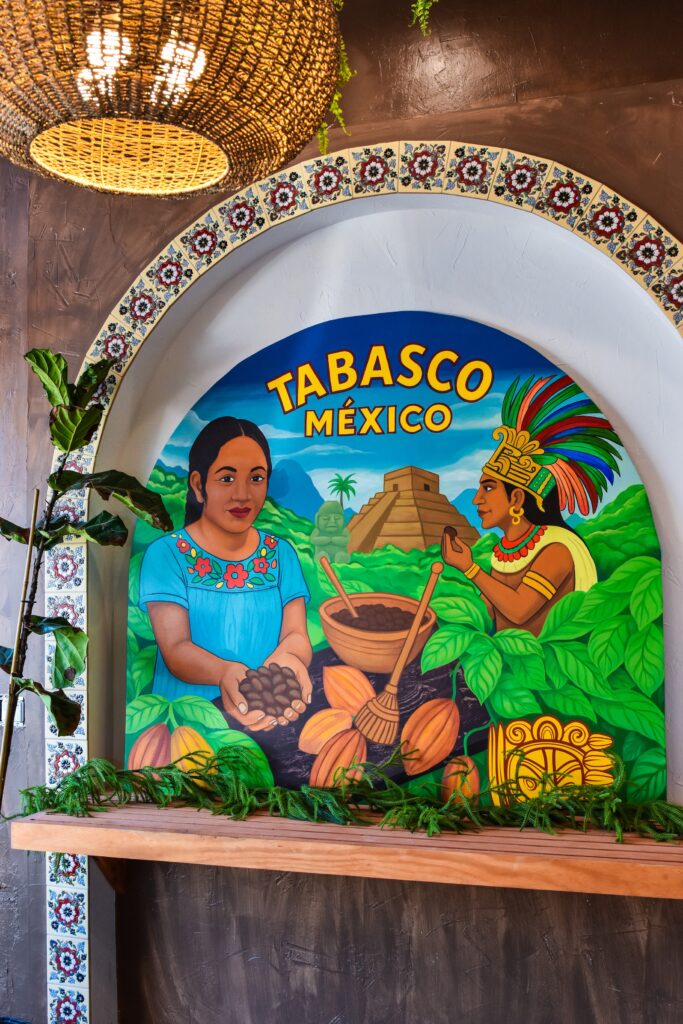
That space is at 3708 E. Anaheim St. in the heart of Zaferia. Exposed brick. Antique charm. It is the perfect space for Eduardo’s ode to Mexican cacao, where three arches, each with a mural underneath them, honor the three mighty states that are the epicenter of cacao production: Tabasco, Chiapas, and Oaxaca.
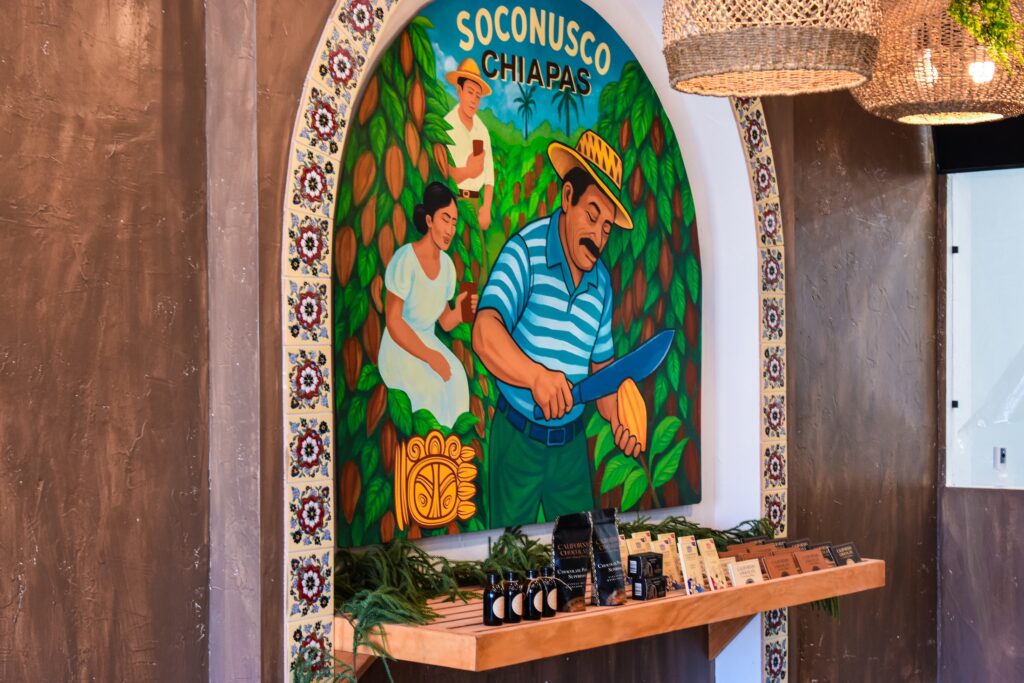
Exploring the three pillars of Mexican chocolate: the great states of Tabasco, Chiapas, and Oaxaca.
- Tabasco is often considered the heartland of Mexican cacao production. Its humid tropical climate and fertile river systems create ideal growing conditions for cacao trees, and the region produces a substantial share of the nation’s cacao harvest. In towns throughout Tabasco, cacao farms and haciendas cacaoteras preserve traditional growing and fermentation methods while also serving as living museums of Mexican agricultural history.
- Chiapas, bordering Guatemala and home to deep indigenous traditions, produces cacao with “really nuanced floral and fruity notes from the moment I first worked with it,” Eduardo said. The state’s biodiversity and varying elevations contribute to distinctive terroirs, allowing small producers to cultivate heirloom varieties that differ dramatically from mass-market cacao.
- Oaxaca is perhaps the Mexican state most synonymous with chocolate in the culinary imagination. While Oaxaca is not always the nation’s largest cacao producer by volume, its cultural influence on Mexican chocolate is immense. In the words of Eduardo, “It is not a place that itself produces much cacao but is permanently ingrained in the chocolate culture of Mexico.”
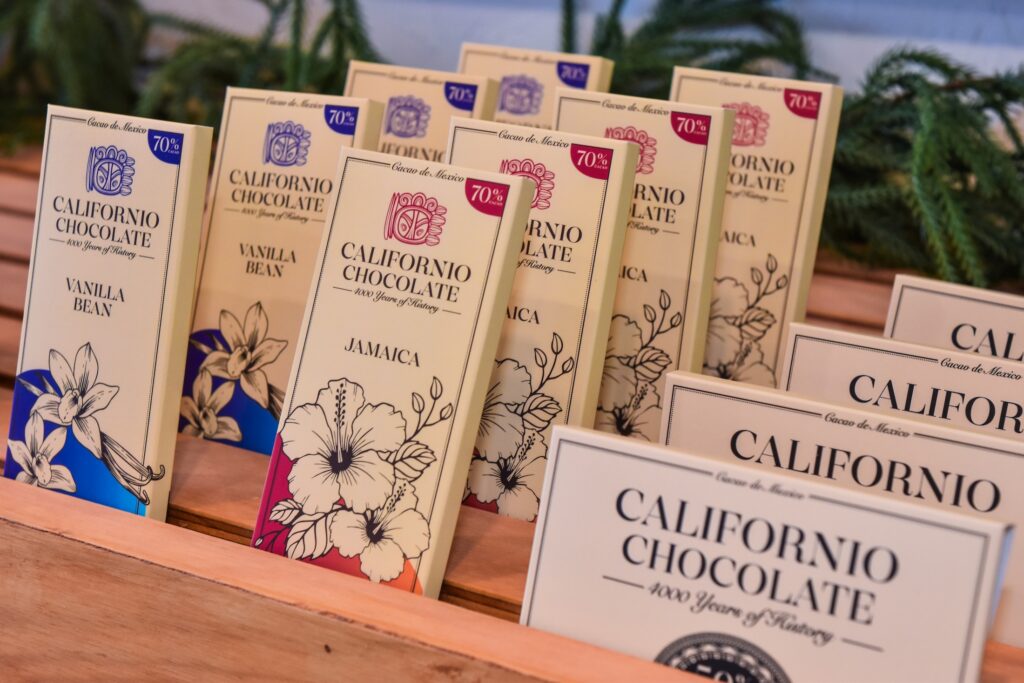
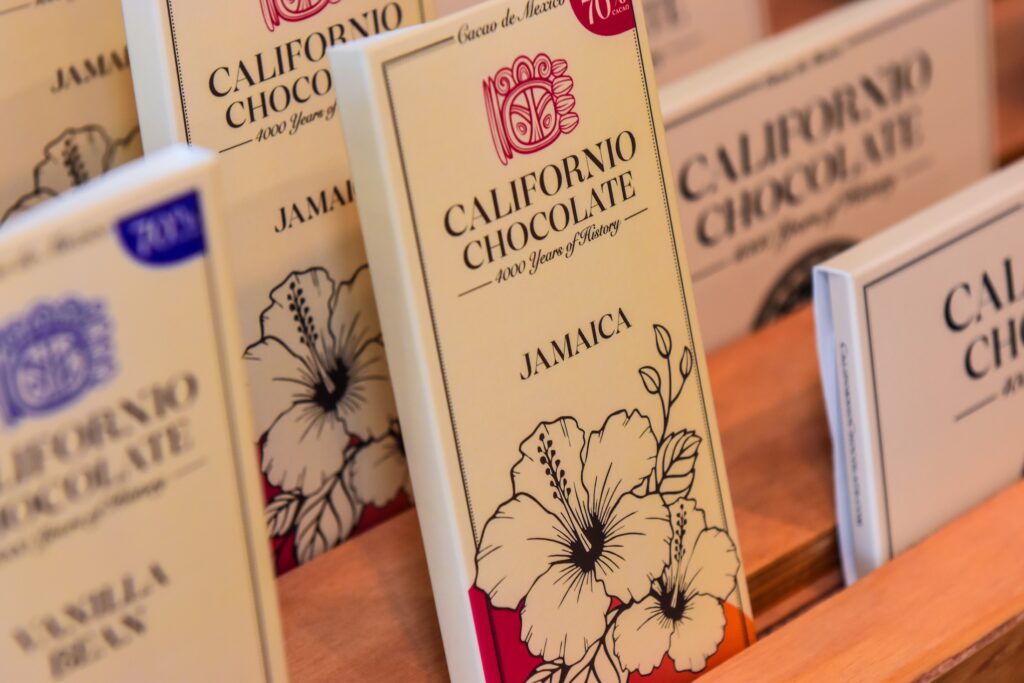
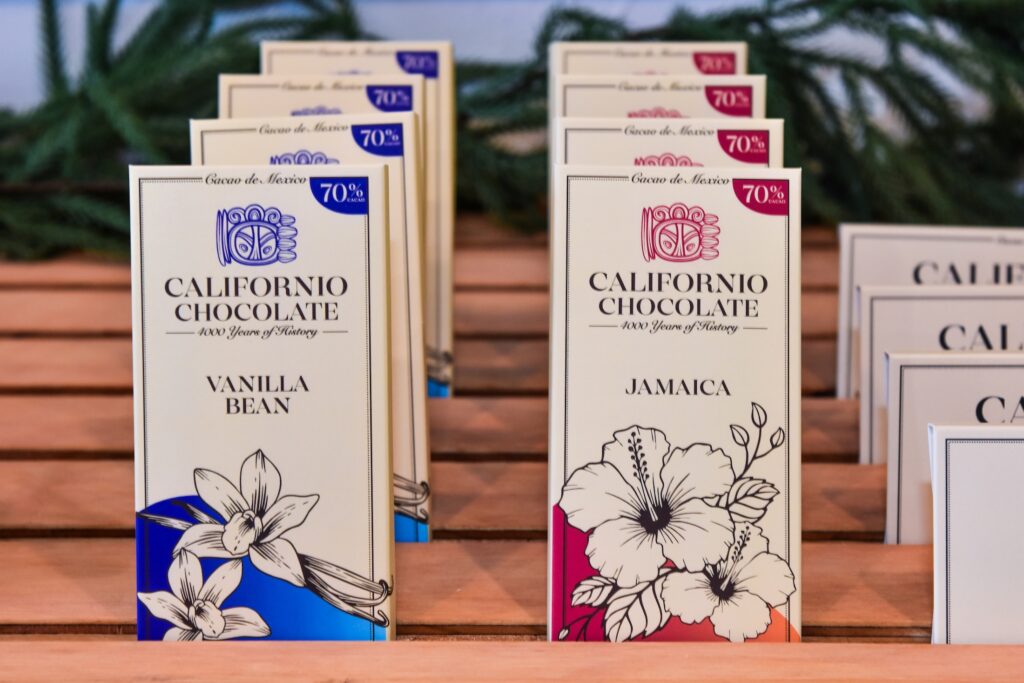
What to expect from Californio Chocolates besides, well, the chocolate itself.
Beyond the bars—you’ll find 80%, 75%, and 50% cacao chocolate bars next to more innovative bars like a jamaica and vanilla bar—Eduardo wants the space to explore the strengths of other parts of Mexico’s culinary identity. Coffee. Churros. Heirloom atole. And, of course, hot chocolate.
“I want this space to be a space to treat yourself, yes,” Eduardo said. “But I also want to share my own journey of learning with others. I want Californio to be a culinary library in that sense. I understand Hershey’s has its place in the world. But I promise you that if you just let me share this experience with you, Californio will have its place as well.”
Or, in the words of Dina: “He truly deserves it, to share his gift. He is such a humble, kind, hardworking guy. He’s so dedicated and persistent in growing his business and bringing his vision to life. More importantly, I think he really cares about bringing more awareness to the Mexican art of cacao and helping people experience the world of chocolate from a different culture. Especially in the current climate with so much going, it takes guts to follow your dreams and passion.”
Amen to that.
Californio Chocolates is aiming for a late May opening and is located at 3708 E. Anaheim St.