
There is something wonderfully uncomplicated about walking into a tattoo shop, looking at the art on the wall, and deciding that one of those pieces belongs on your body. No elaborate backstory required. No sprawling concept you have spent months trying to articulate. Sometimes, the connection happens right there: You see something. You love it. You sit down.
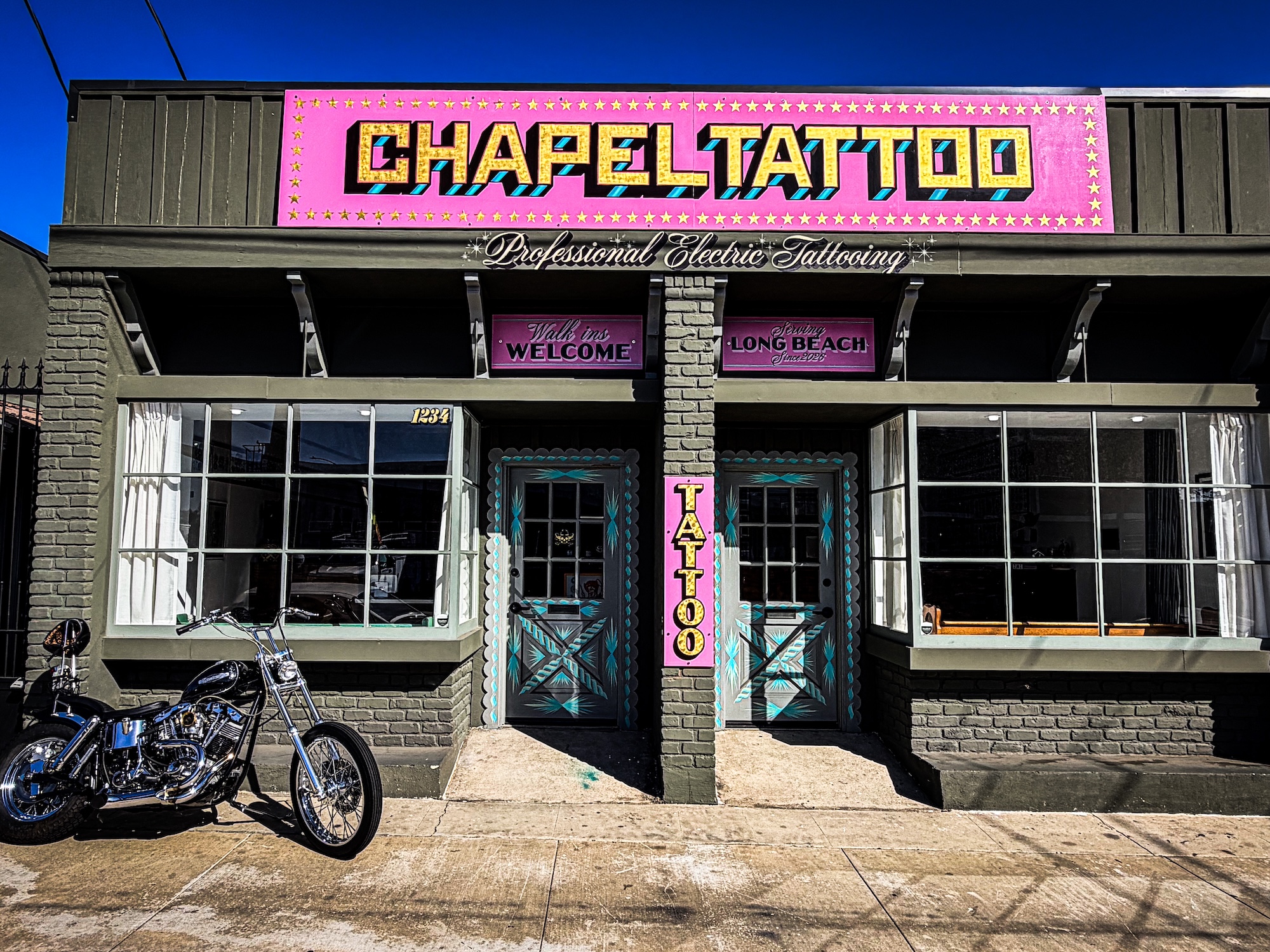
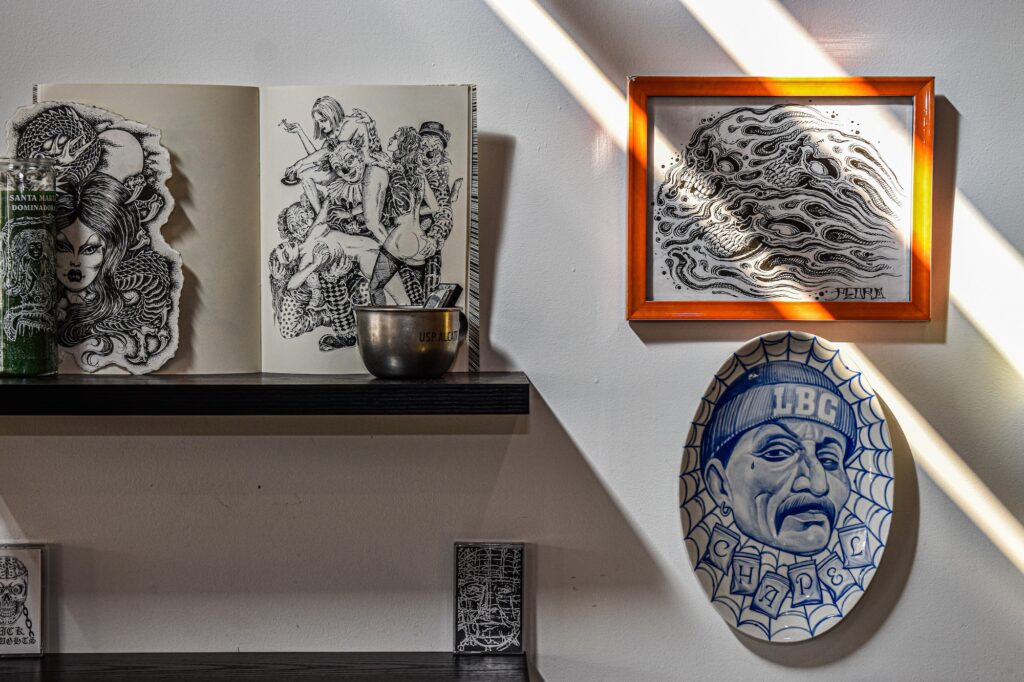
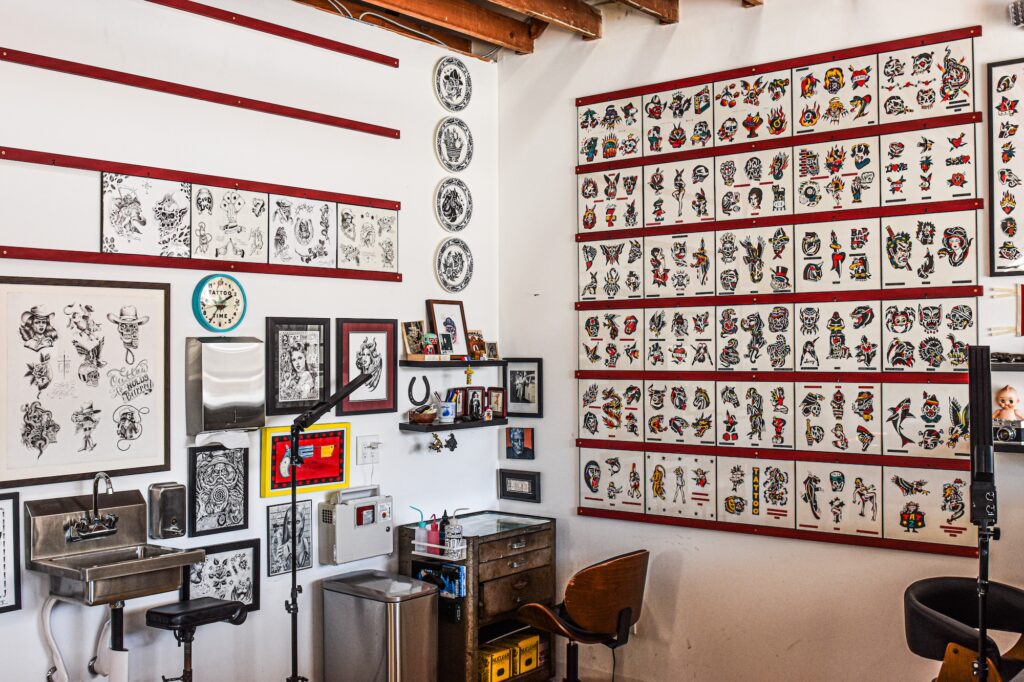
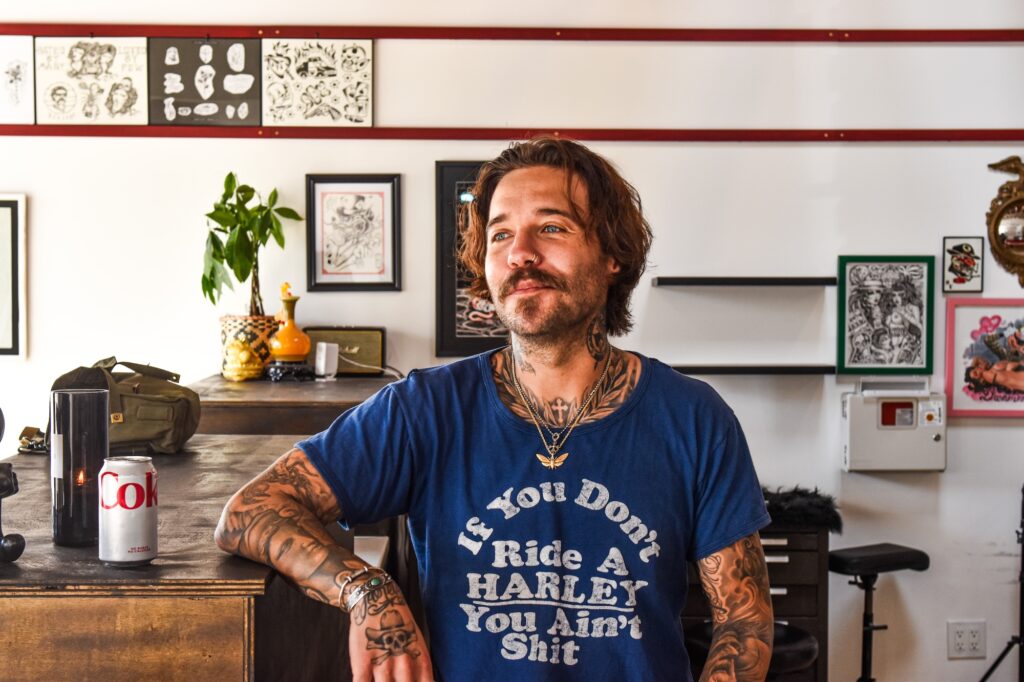
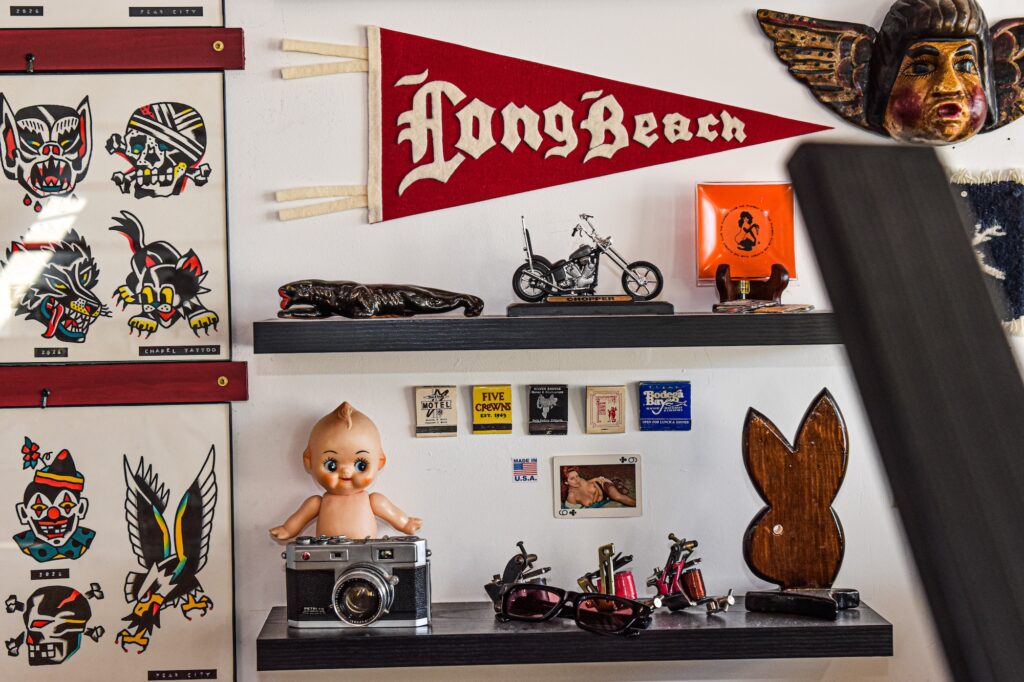
Joshua Blevins wants to make room for that experience at Chapel Tattoo, his new Long Beach parlor, where a wall of flash—pre-drawn designs, all unique to the space—anchors a vision built around walk-ins, conversation, and the belief that a tattoo shop can become part of a neighborhood’s daily life. That isn’t to say one can’t score some complex ink—the shop’s Instagram page showcases otherwise—but it does speak to a larger part of tattooing history that goes largely dismissed in the gravity of contemporary tattoing.
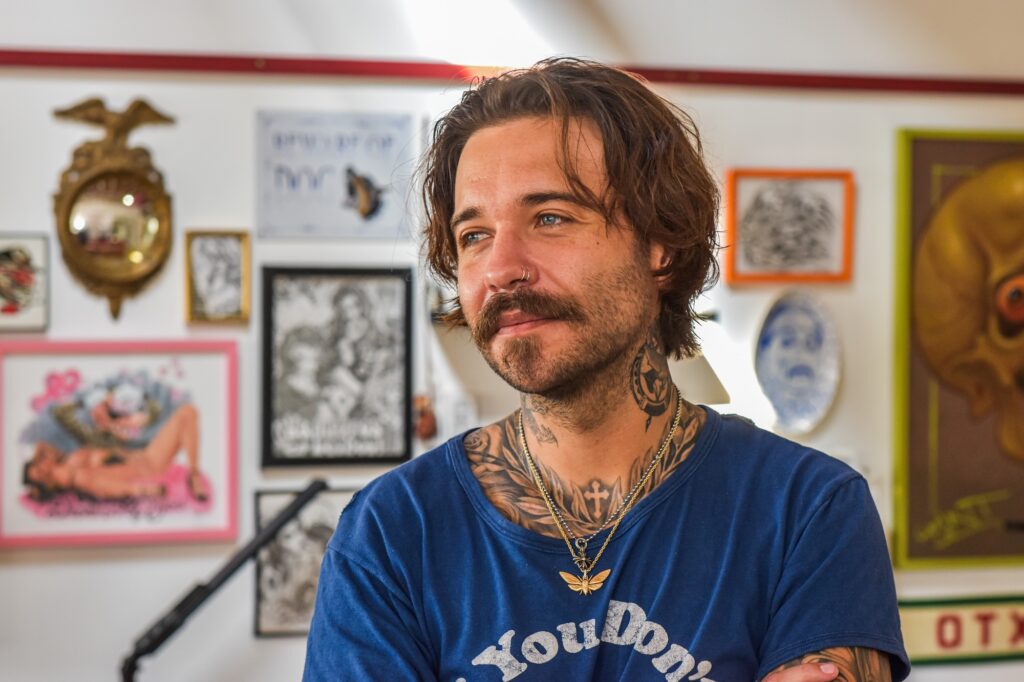
“This is a walk-in tattoo shop,” he said. “My big thing? I just want this place to be here for a very long time. And add to Long Beach’s tattooing tradition. Like Outer Limits, I want to be a legacy shop.”
And that straightforward declaration carries a larger ambition: Create a place people feel comfortable entering, give younger artists somewhere to build a future, and contribute to a tattooing tradition that Long Beach spent far too long restricting.

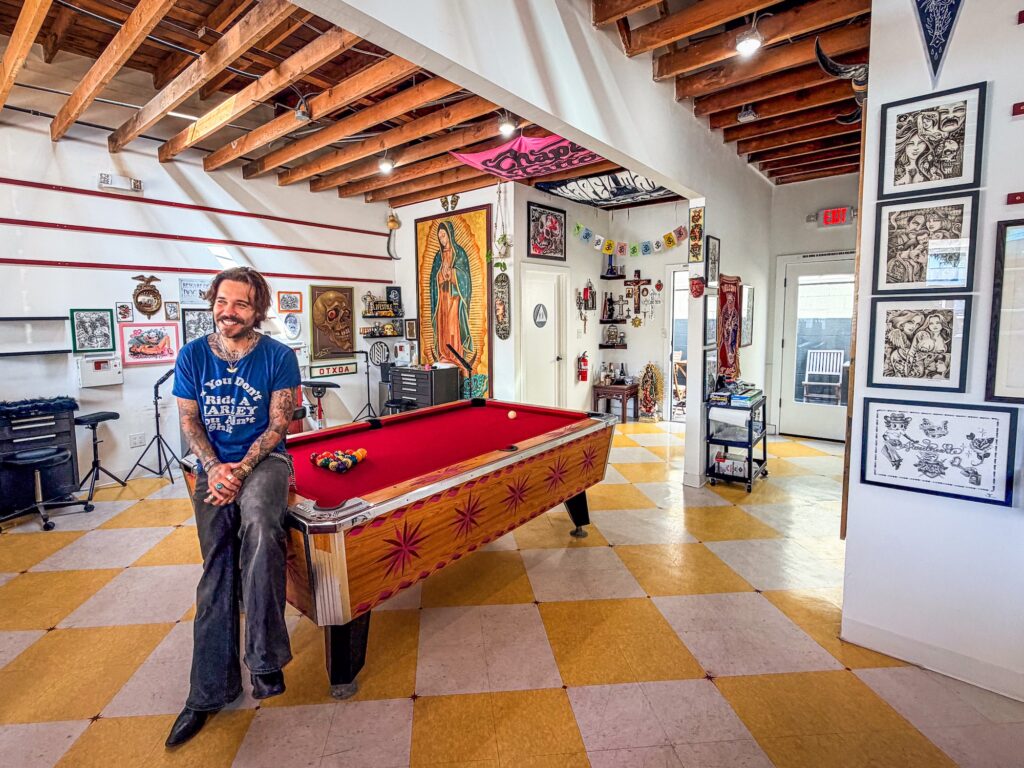
Chapel Tattoo makes space for the pleasure of picking something off the wall
Long Beach has extraordinary tattoo artists creating extraordinary work. Carlos Torres and the artists at The Raven and the Wolves have pushed the relationship between tattooing and fine art through intricate, often monumental pieces. Kari Barba’s Outer Limits remains both a working studio and a keeper of the city’s (and country’s) tattoo history. There is room here for work that takes multiple sessions, meticulous planning, and an artist’s ability to turn skin into something almost impossibly detailed.
Joshua admires that world. He came to Chapel from Orange County’s Lowrider Tattoo, and he speaks warmly about the beautiful spectrum that tattoo art rests upon. But his own shop makes a case for another part of the culture: the walk-in parlor, where choosing from a wall of flash is part of the fun. As tattooing has become increasingly associated with ambitious custom projects, that simpler invitation can get overshadowed. A person might want a tattoo without wanting to commission an entire visual autobiography.
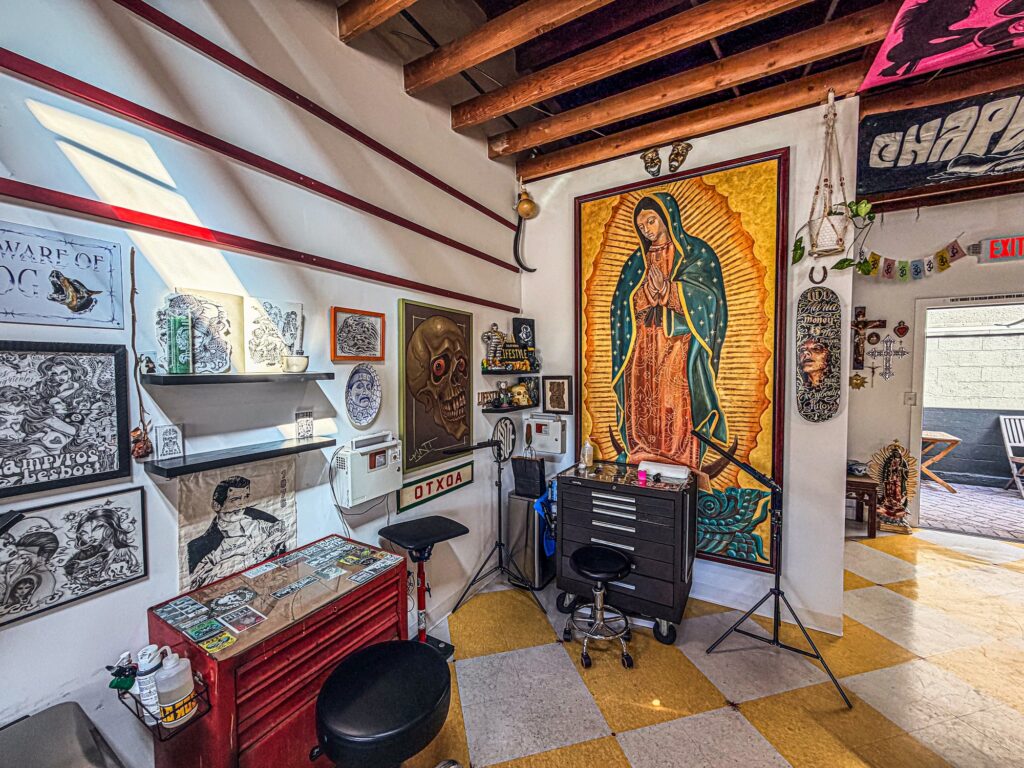
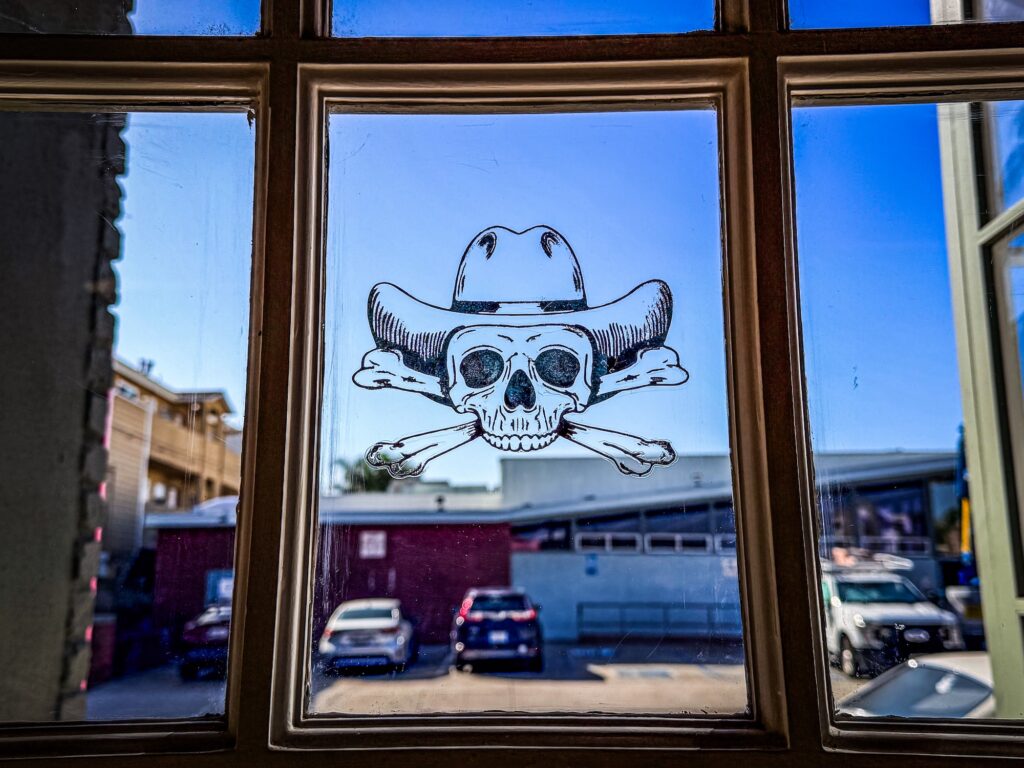
At Chapel, the drawings are already there, waiting for someone to connect with them. Even more, there is artistry in that exchange, too. The artist’s imagination meets the customer’s instinct. A design becomes personal through the act of choosing it—and through whatever life its wearer goes on to live. Joshua’s concern is what happens when the industry loses sight of the person sitting in the chair.
“We’re in the service industry,” he said. “As much as our art can be personal, what we do is—first and foremost—serve the community.”
For Joshua, the connection Chapel came before the career
His path to tattooing began with an interrupted life. While attending Pepperdine, Joshua experienced a pituitary brain tumor that forced him to return home to San Diego and reconsider the future he had imagined in sports and sports management. Music became an outlet, then a career: He and a friend formed a rock band and spent nearly six years touring.
Between tours, he got tattooed. And somewhere in those appointments, he discovered a kind of attention that stayed with him.
“I just fell in love with the relationship that you could build with your clientele,” he said. “Each of my own tattoos carries the hand of its creator… So tattooing for me is about the personal connection with people.”
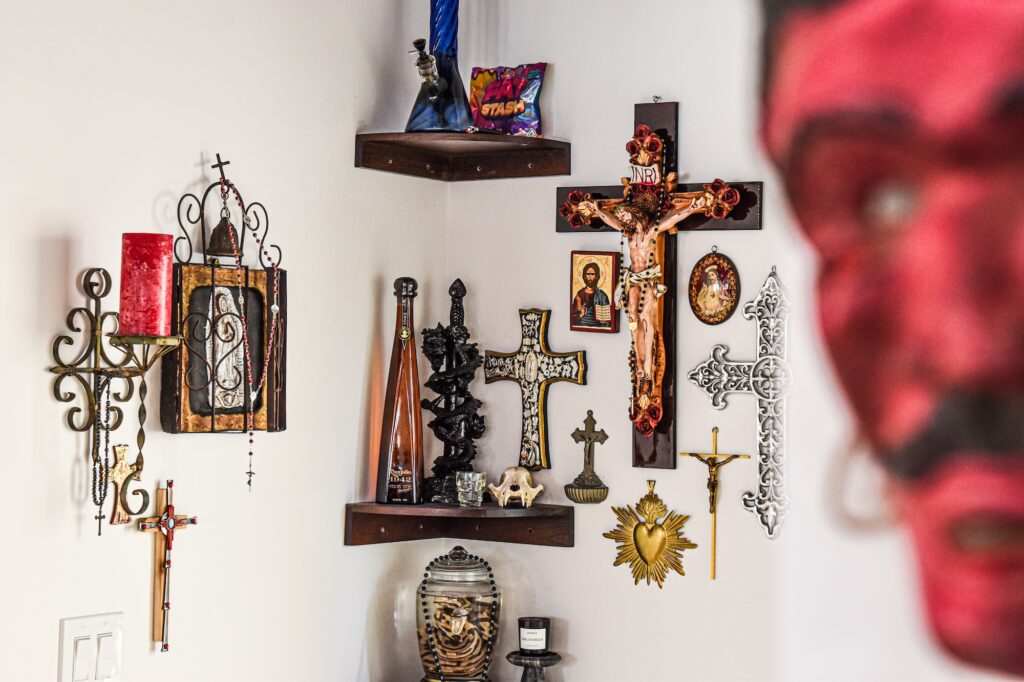
Here was someone interested in what had happened to him. How he had arrived at that moment. And what he wanted to carry forward. He wanted to offer that same experience to other people. Eventually, that pursuit brought him to Long Beach. After visiting a friend here, he kept returning, looking for somewhere to live. The city offered a pace and a sense of belonging he had struggled to find in Los Angeles.
“I fell in love with Long Beach immediately,” he said. “This is where I want to establish roots… Chapel is just the physical expression of that decision.”

Sunday Service is about giving people a reason to stay
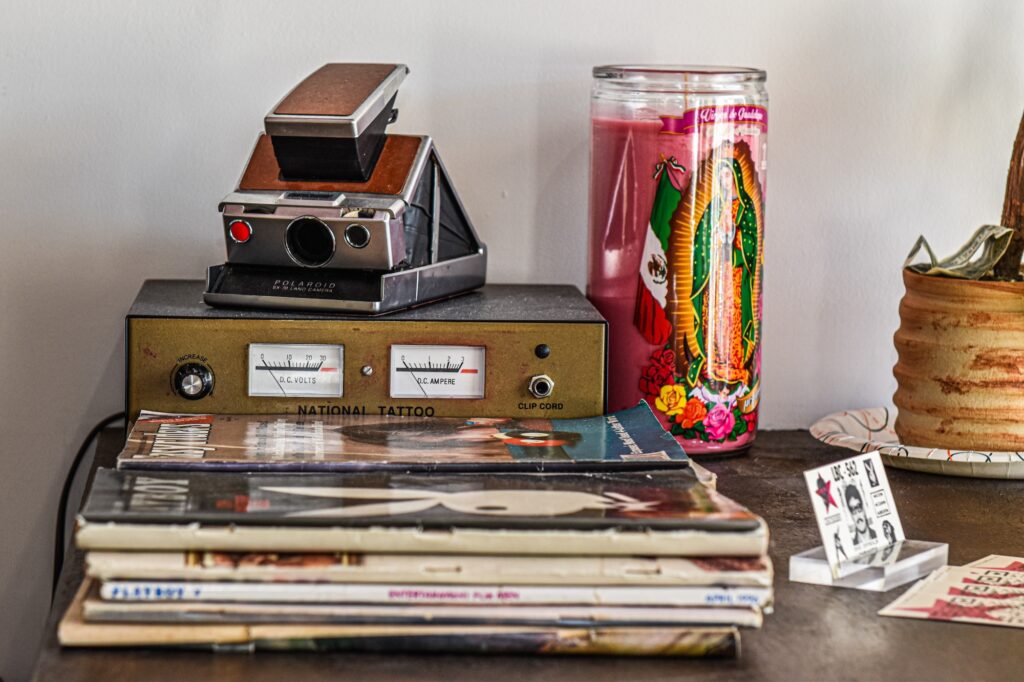
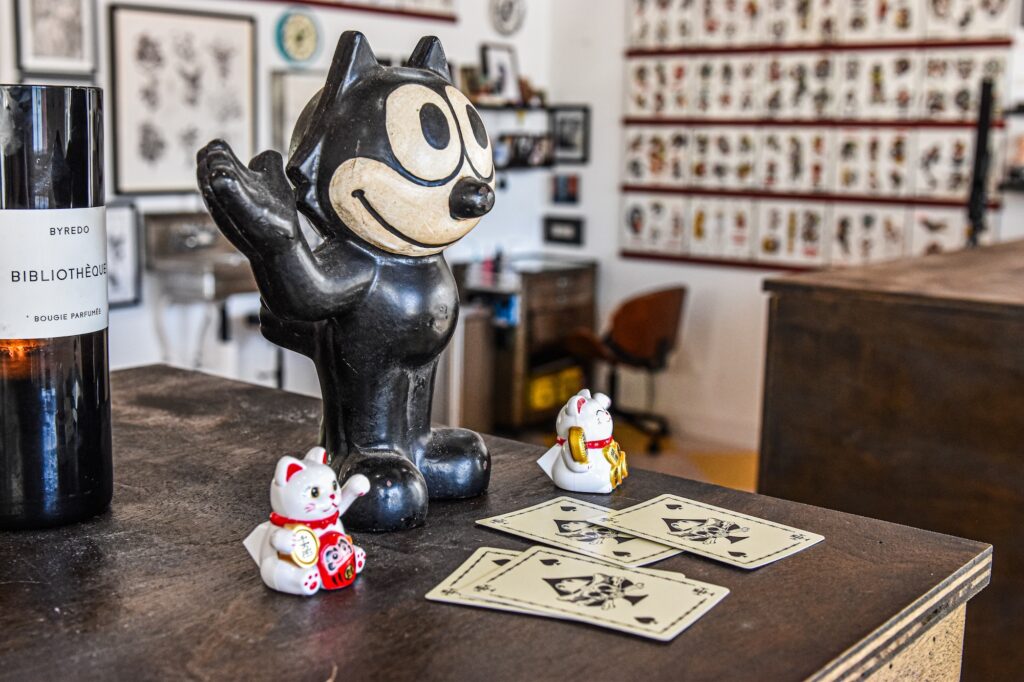
The clearest expression of Joshua’s vision at Chapel Tattoo Parlour might be Sunday Service. From 1PM to 3PM on Sundays, Chapel does flash exclusively. $100 and up. Afterward, tattooing stops and the gathering continues with music, some billiards at the space’s table, and time to hang out.
“Everybody’s welcome,” Joshua said. “I want this to be a place where people can come. It’s a sanctuary where people can feel taken care of. That they’ll want to stop in just to say hi and talk about Anaheim Street.”
The point is to create the familiarity that comes from repeatedly sharing a place—and eventually knowing the people inside it. That extends to the artists working alongside him.
“I have younger artists here who really want to build their lives—not just their clientele—in this city,” he said.
A successful Chapel, in his telling, would give those artists room to establish themselves while giving neighbors a place they want to return to. His ambitions stretch well beyond an opening celebration or a busy weekend. He imagines looking up at the sign 20 years from now and finding the shop still there.
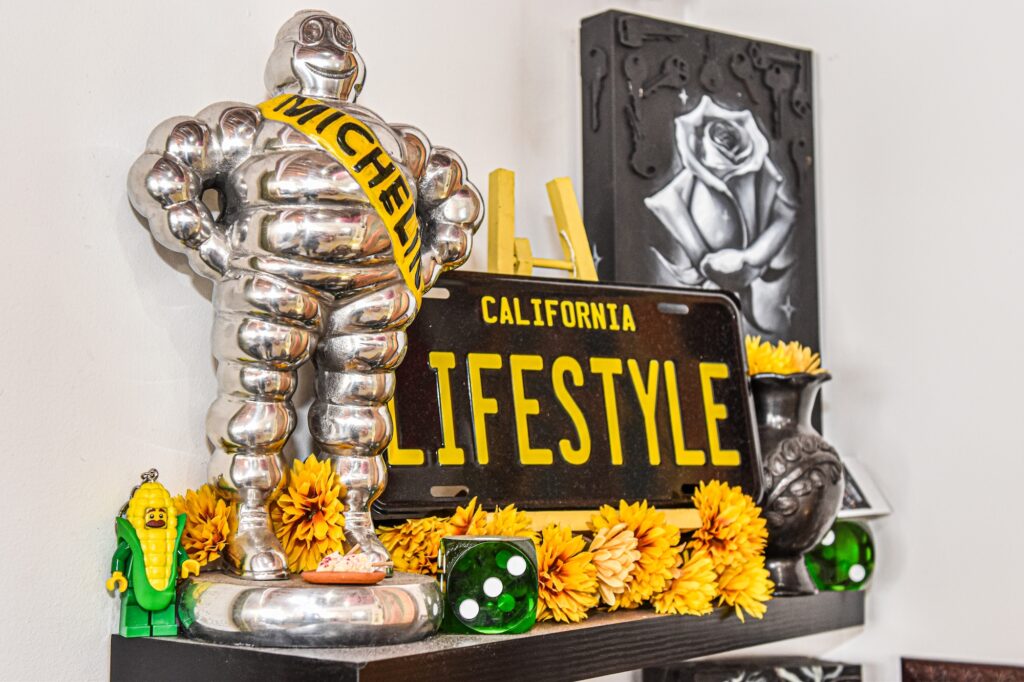
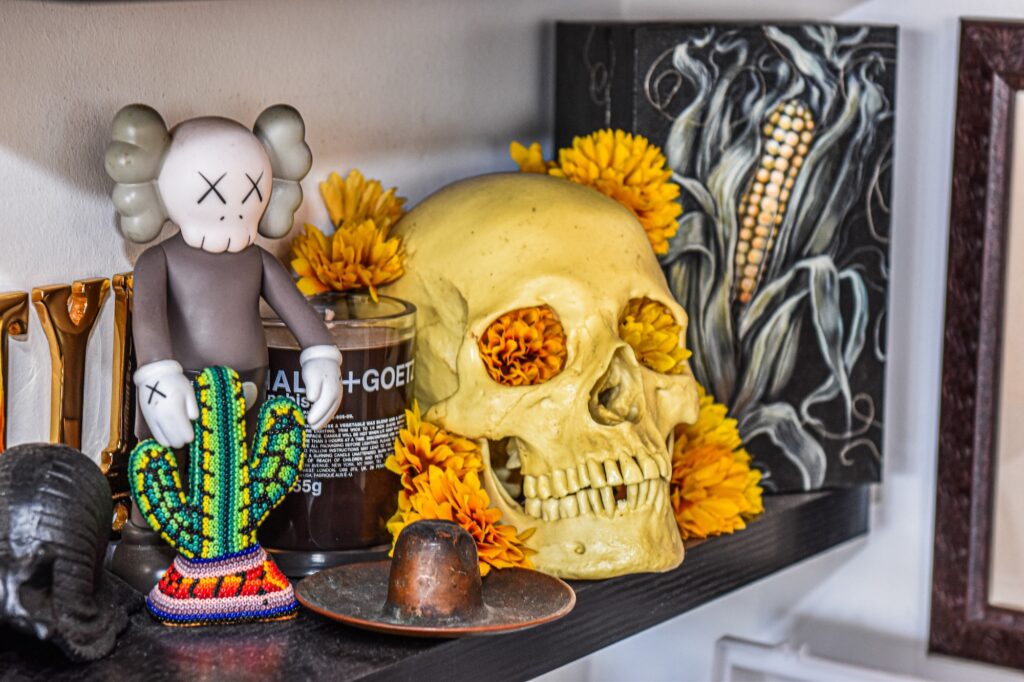
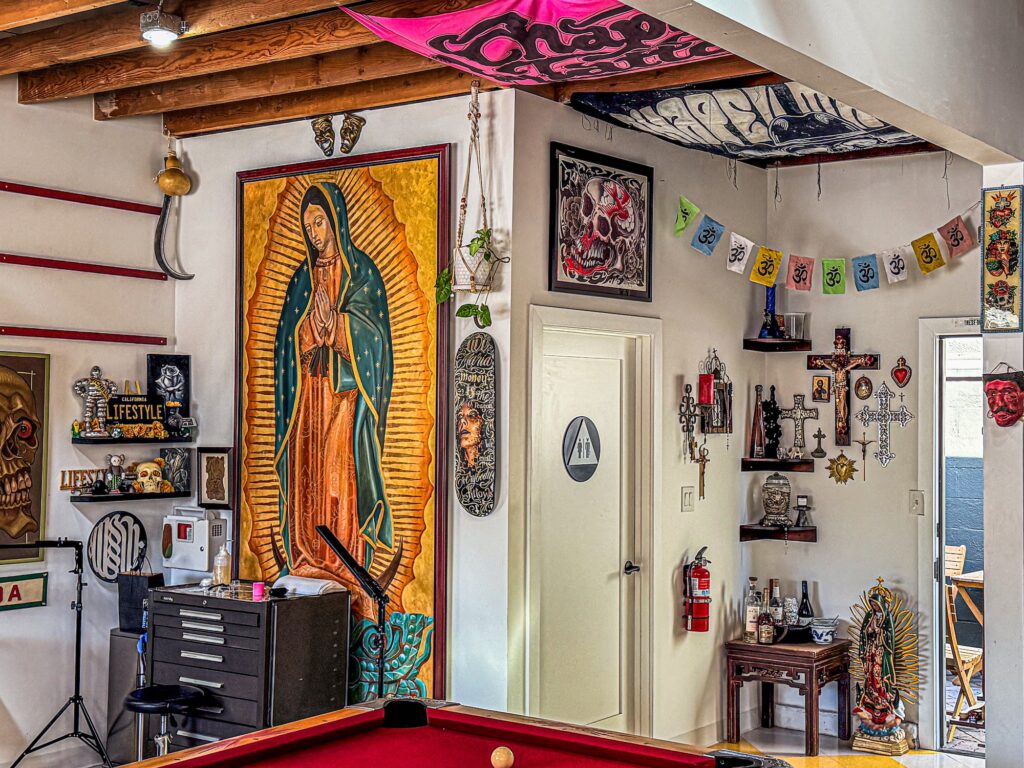
Long Beach might have a rich history attached to tattooing—but it was forced to make room for places like Chapel
For a city with such deep tattooing roots, Long Beach spent decades making new tattoo shops remarkably difficult to open.
The history often gets described as a moratorium, but the restrictions—and their gradual loosening—deserve some precision. Changes to the Downtown Plan in 2012 helped make Paper Crane’s 2013 opening in the East Village possible. It marked a significant departure from zoning that had largely confined new shops to Pacific Coast Highway and a small stretch of Anaheim Street.
Broader reform followed in 2018. Facing a First Amendment lawsuit, the city moved to expand where tattoo parlors could operate and replace discretionary approvals with a process based on established standards. City staff also reported that tattoo shops generated no more police calls than comparable professional, medical, or clinical offices.
Those changes created room for a wider range of shops, artists, and ambitions. Chapel belongs to that expanding landscape: a new business drawing on an old tradition, with an owner who wants to help determine what the city’s next chapter looks like.
“My goal is just really to add to the culture of Long Beach,” Joshua said.
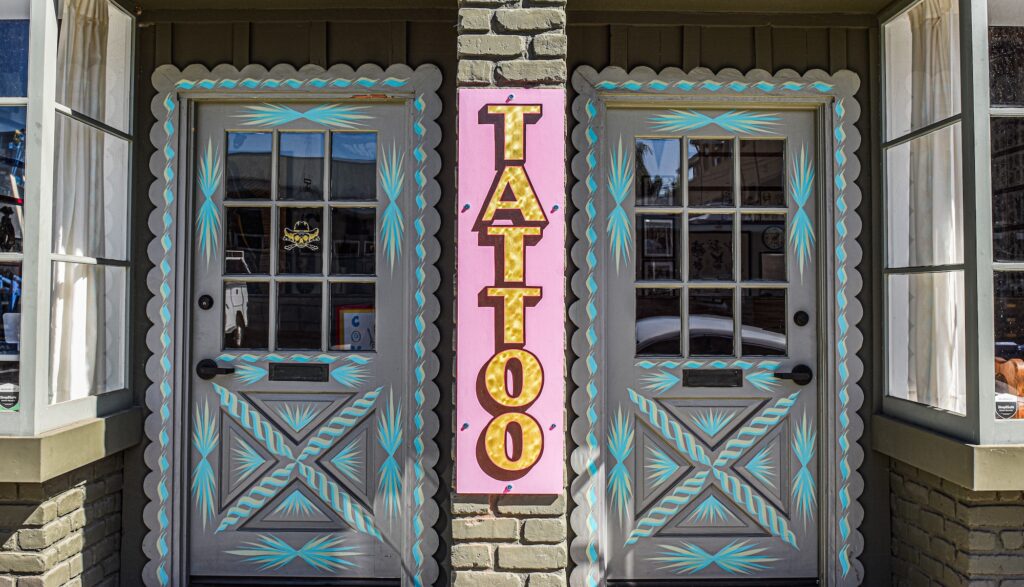
Chapel Tattoo Parlour is located at 1234 Belmont Ave. in Zaferia.