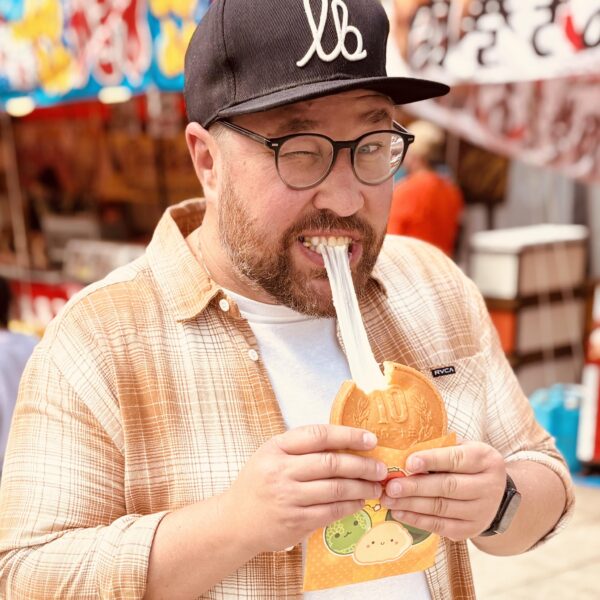


New and old restaurants continue their handmade renaissance by creating and serving Long Beach pasta in-house.
Seasonal menus override sterile, never-gonna-change menus. Shapes are going beyond spaghetti and penne and into the sopressini and paccheri. Style and sauces are moving beyond your nonna’s marinara and into the downright SoCal grasp of worldly palates.
Here are the Long Beach restaurants doing it by hand and executing it at the highest level.
Nonna Mercato
3772 Atlantic Ave.

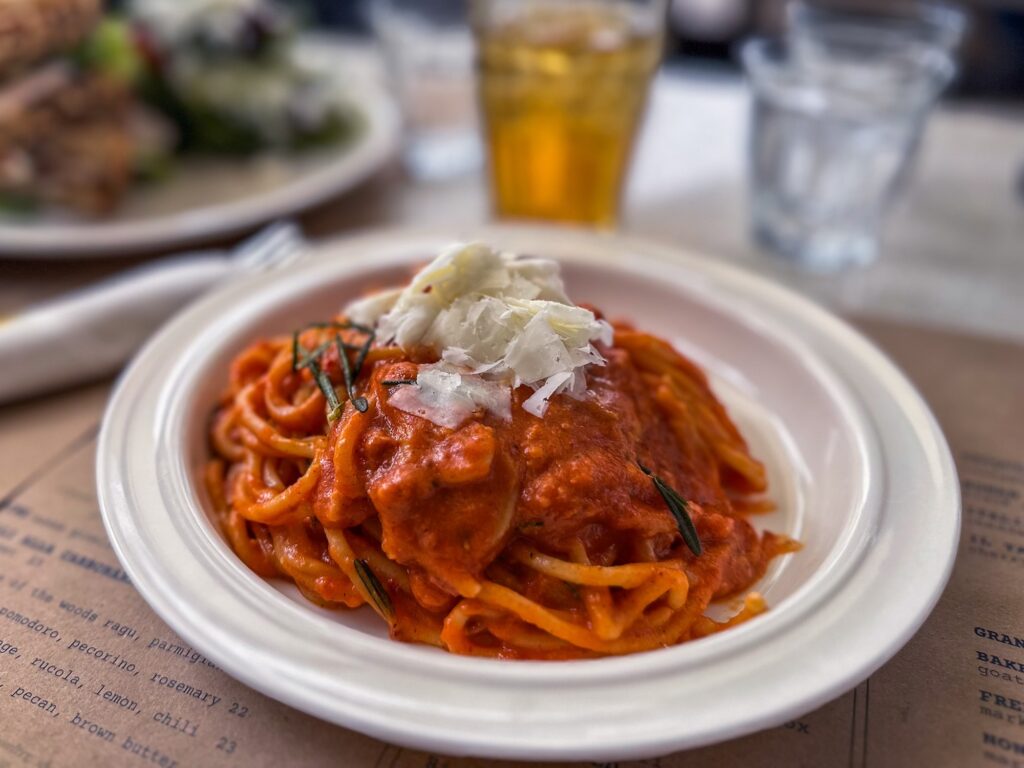

Nonna Mercato is the city’s finest purveyor of pasta—and that is thanks to Chef Cameron Slaugh’s masterful take on the art of pasta.
Take, for example, his hand-rolled chittara. Yes, it is not made with a machine but rolled by Chef Cameron himself. I’ve had three iterations. One, from his debut lunch and brunch menu, where layers of Dungeness crab, guanciale, and hefty chunks of fresh basil made it one of the most down-able summer dishes. Another one where cockles are layered with sourdough bread crumbs and charred olive oil; an umami-meets-earthy wonder.
And now, with the subtle introduction of dinner service, you can experience it even more.
Due Fiori
2708 E. 4th St.
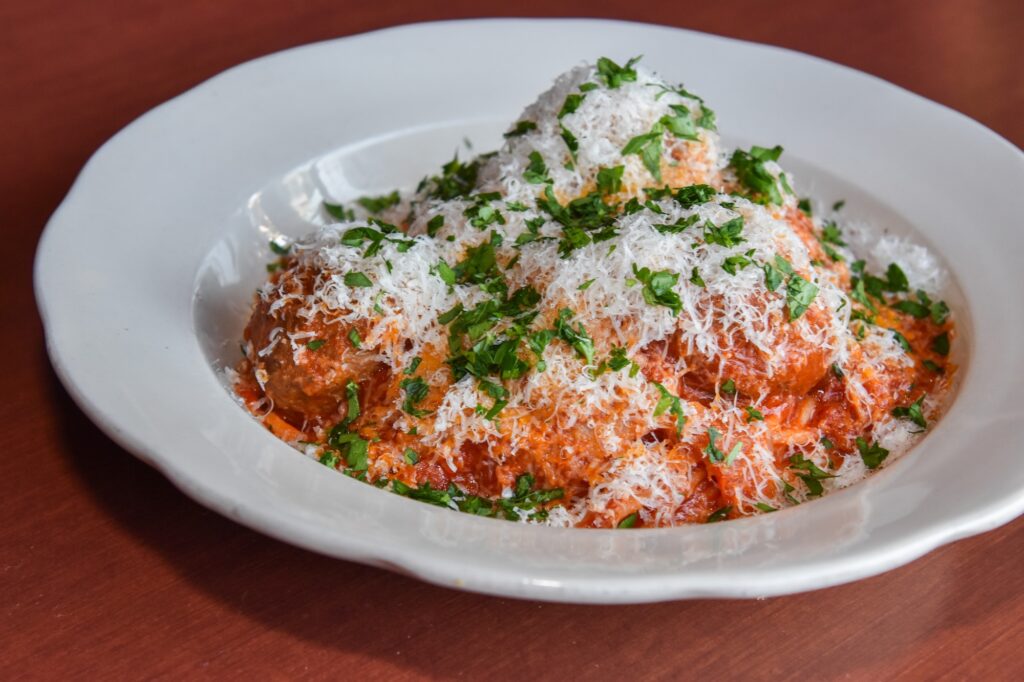


When Daniel Flores and Gianna Johns announced they would transform a space on Retro Row into an Italian restaurant, the expectations were understandably high.
Shortly after opening, Due Fiori did what many restaurants spend years trying to accomplish: it no longer feels new. It feels, in a sense, long embedded in the community—something akin to what their other endeavor, Baby Gee, quickly achieved.
Part of the huge reason for that? Their pasta. With Chef Michael Rudolph at the helm—he hails from Palm Springs’s lauded Bar Issi as well as previous stints in the region, including a role in Il Pesce Cucina, Chef Michael Cimarusti’s former space inside Eataly—plates of perfect papardelle a limone sit next to seasonal wonders like a busiate coated with a rabbit ragù.
Massimo’s
5616 E. 2nd St.


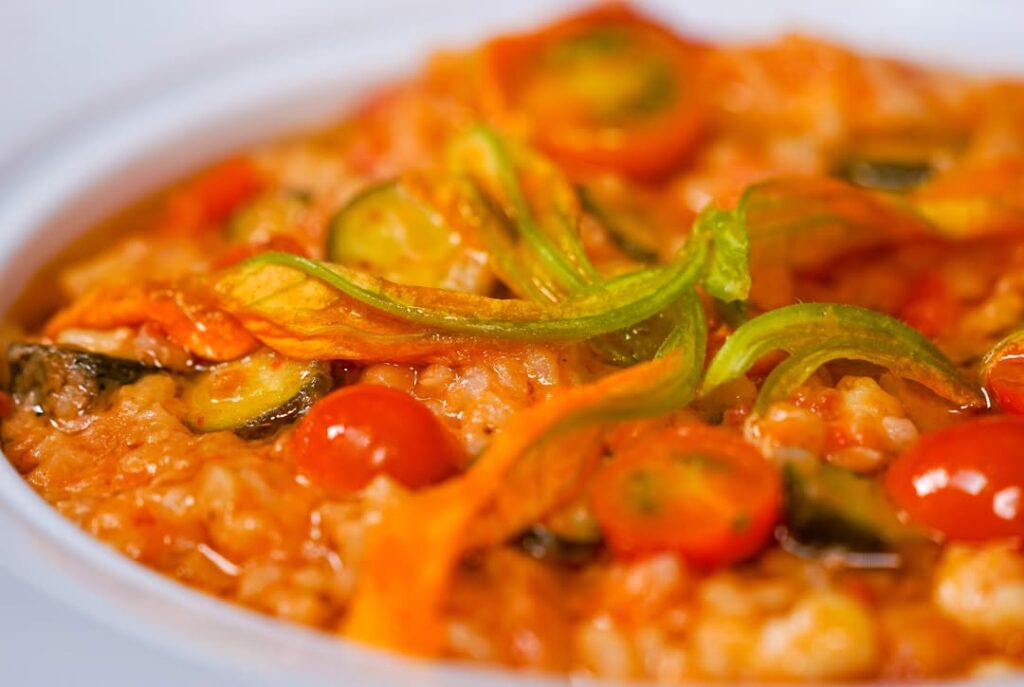
In one of the most glorious Long Beach stories of the year, long-loved hospitality leader Massimo Aronne—the man who led Michael’s on Naples through its glorious run before shuttering in late 2025—took over the former market space he used to manage under the Michael’s Restaurant Group in Naples. The concept? Simple, straight-forward, quality Italian pastas, pizza, and wine.
You’ll find some remnants of Michael’s—including their rightfully loved lasagna—but newer classics like seafood-stuffed cannelloni and Massimo’s personal childhood dish, the starch-on-starch pasta e patate, where torciglioni caserecci, smoked mozzarella, and potato are oven-baked for one of the heartiest, warming dishes on the menu
For Brian Addison’s full feature on Massimo’s, click here.
Bungalow Kitchen Long Beach
6400 E. Pacific Coast Hwy. #200

If anyone had the pleasure of experiencing Chef Eric Samaniego’s food at Michael’s at Naples before it shuttered, you would know his passion for pasta.
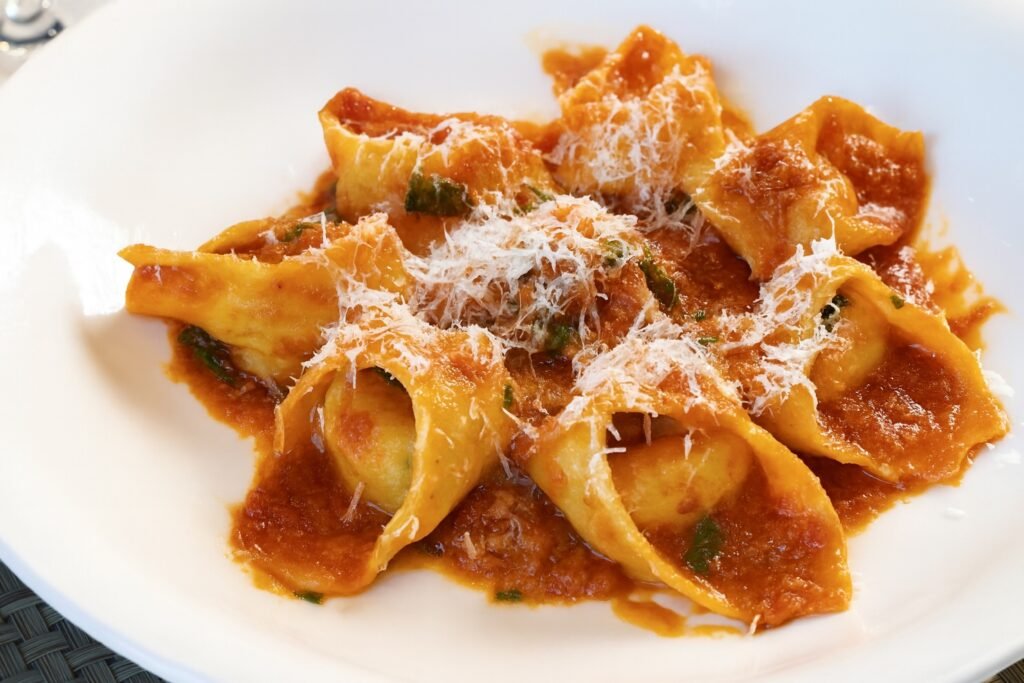
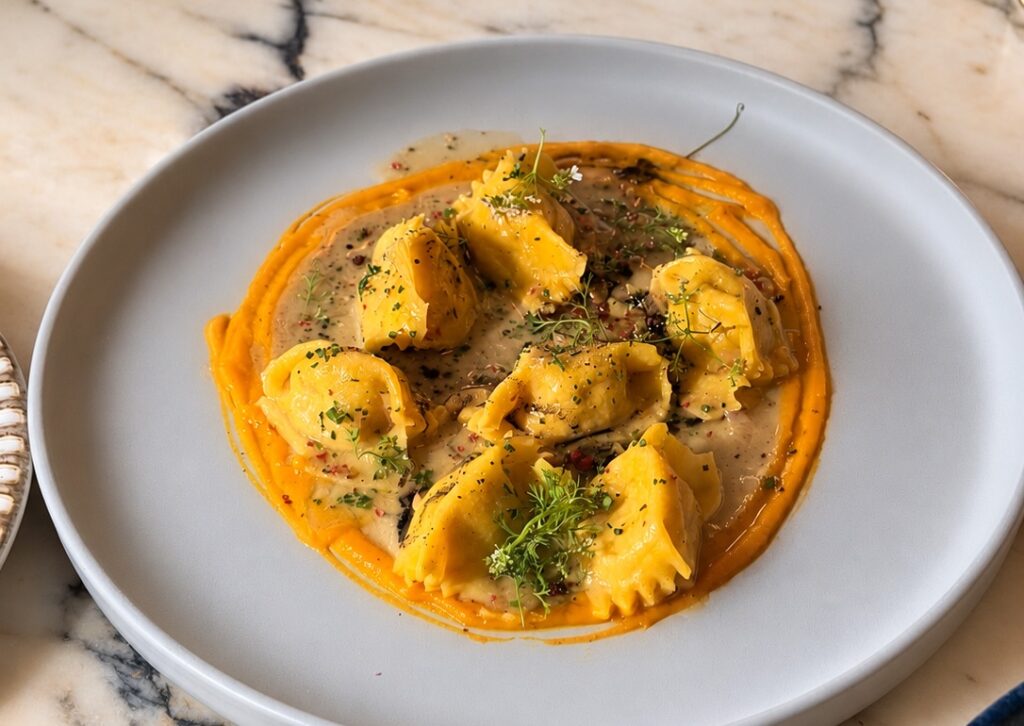
His setup at his newest post over at Bungalow—which briefly shuttered before rebranding as the Bungalow Kitchen Long Beach to focus more on food vibes than club aura—doesn’t alter that passion. Giant tubes of paccheri layered with n’duja and mushrooms. Tagliatelle drenched in saffron-tinted cream and topped with lobster. Classics like carbonara, bolognese, and lasagna. And, if you happen to be there when there is a pasta special, a rabbit cappellacci atop an array of squash sauces.
Italian Homemade Company
6460 Pacific Coast Hwy. #130

The Italian Homemade Company is the unknown one of the bunch to most, which is why I included it only Underrated Restaurants. But approaching three years at the 2nd & PCH retail complex, they unquestionably deserve to be on this list.
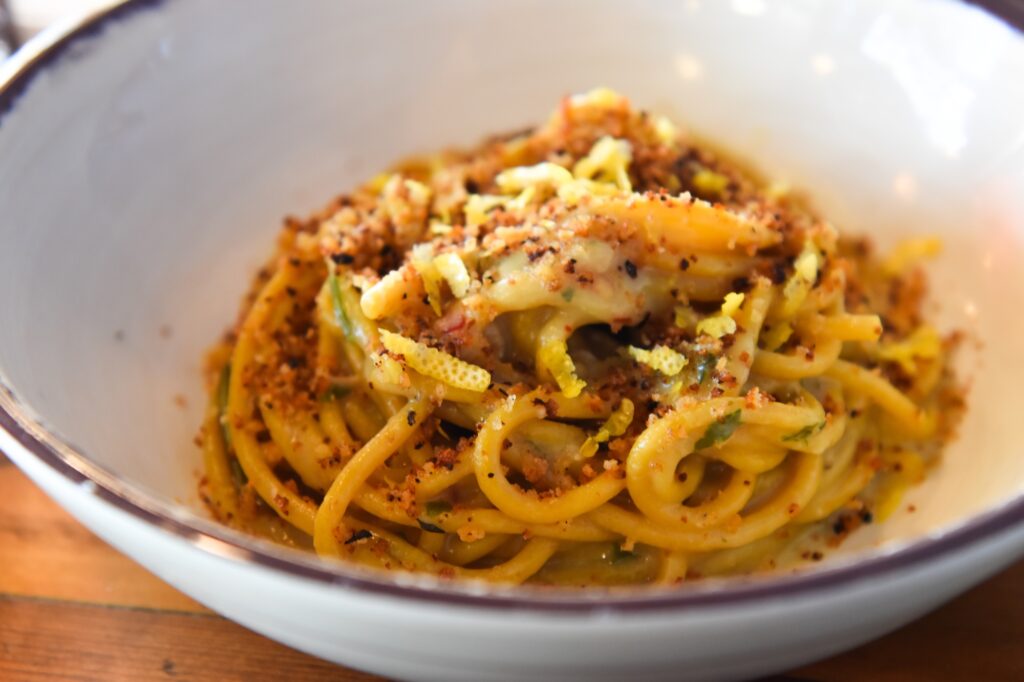
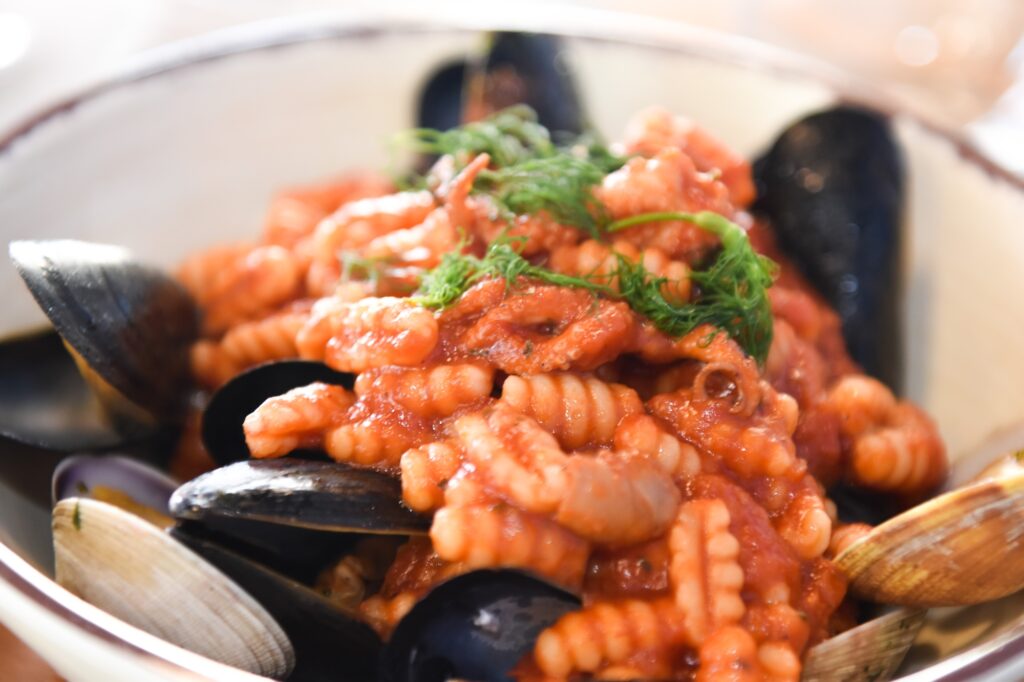
Their approach, however, is what is excellent. Rather than telling you what pasta’n’sauce combos to order, you choose yourself. Pick your pasta. From their gorgeous papardelle to their variations of ravioli… And pick your sauce. From the simple but sumptuous brown butter-sage sauce to bolognese…
And then, the beautiful act of dolce farniente.
And Chef GianMarco Cosmi—the brother of Mattia Cosmi, who founded in the company in San Francisco in 2014—has been nothing but a steward for both 2nd & PCH and the fifth location of Italian Homemade itself, offering up stellar pasta and the city’s best versions of piadina—the yeast-less flatbread that creates some fantastic sandwiches—and cassone—the Northern Italian stuffed flatbread staple, which is like piadine but thinner on top of pasta. Go.
Selva
4137 E. Anaheim St.


What is perhaps most gorgeously woven into Chef Carlos’s pasta menu at Selva is its simultaneous respect for the existing and push toward evolving the world of Latin American pasta. After all, pasta’s story in Latin America begins not as a native tradition but as an import. First through Spanish colonization. And later, through waves of European immigration, particularly from Italy. (Brazil and Argentina are home to the largest population of Italian descent outside of Italy proper.)
Chef Carlos’s play on tallarines verdes has Selva-n touches: smoked cashews over walnut. Peppery hoja santa over spinach. Colombian queso fresco over Parmesan. And then his outright radiant tallarines a la huancaina, where the famed Peruvian cheese sauce is amped up with fermented ají amarillo. But his two Colombian pastas is where Chef Carlos abandons tradition and aims to create new ones.
Marlena
5854 E. Naples Plaza.


Chef Michael Flores, an apprentice of Chef Evan Funke for the first six years of his career, heads the kitchen—and given the tie to Funke, obviously offers pasta. Surely, he offers an array of wonders: Blistered pizzas. Josper Grill-ed proteins. Some of the best salads in the city.
But Marlena’s most deceptive underhand is Marlena’s pasta. Ricotta gnocchi with pesto greeted his inaugural menu when they opened up in the autumn of last year. A tortellini with prosciutto and black truffle. Pappardelle with pork sausage ragú has remained on the menu. A pappardelle carbonara that was wonderfully underrated but has since grown to a chitarra gone cacio e pepe and a sweet corn agnolotti that seems a popular choice this summer.
Waldo’s Pizza
222 E. 10th St., Unit N
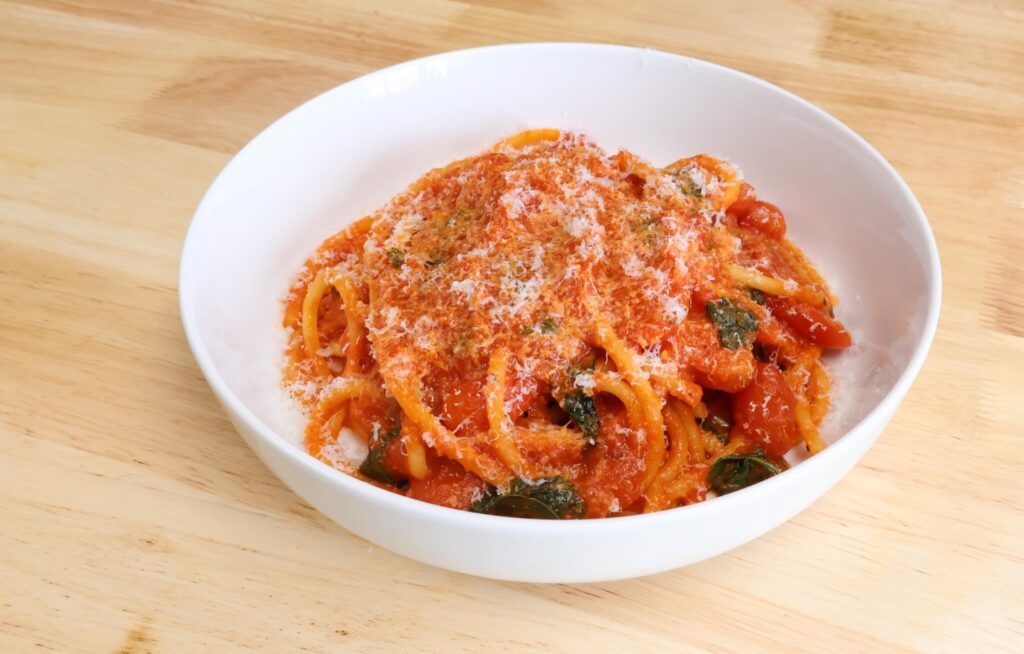
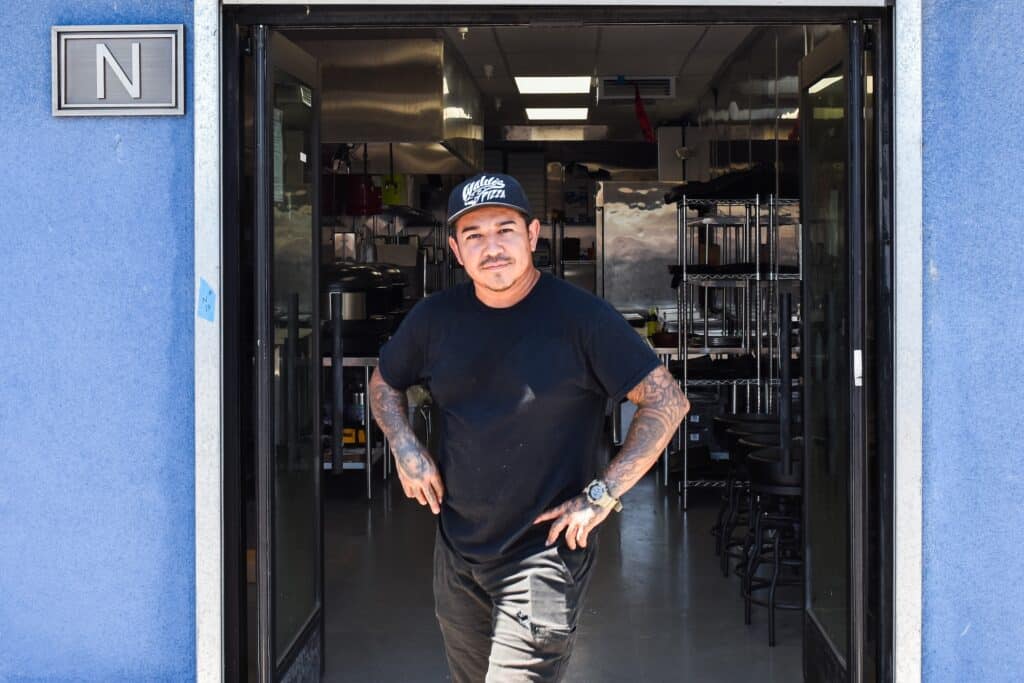
Surely, Chef Waldo Stout is known for his pizzas. And rightfully so: across the past several years, he has had his hand in everything from the beginning of Little Coyote (when it was actually decent), Marlena, his own pop-up, Waldo’s Pizza, and Due Fiori. He has since returned to focus on Waldo’s Pizza—and this time, he has a brick-and-mortar.
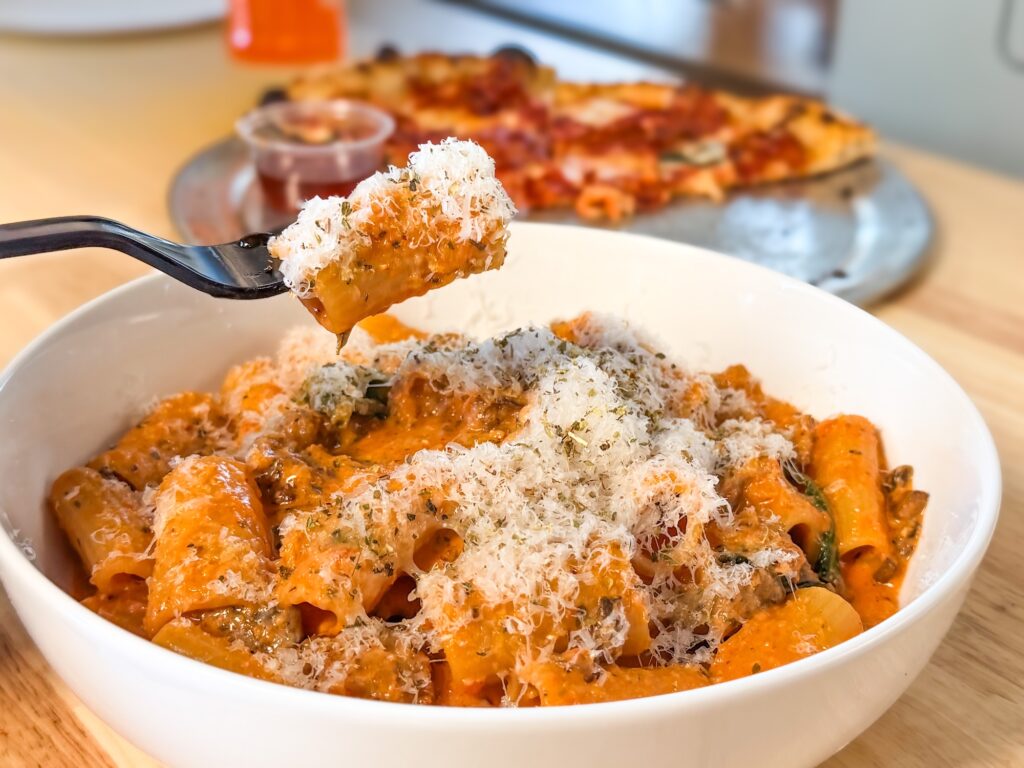
But few know that his mini-pizzeria dream also includes pastas. And well-made ones at that. His spicy rigatoni? Bathed in a bright vodka sauce and layered with Italian sausage and mushrooms, it is never too hot to find this dish incredibly warming.
Vino e Cucina
4501 E. Carson St. in Suite 105


I am indeed the first to admit that I do not visit Vino e Cucina nearly enough as I should—if not for owner Lorenzo Mottola’s pure Milan-centric love of hospitality alone, then certainly the space’s pasta.
Take Vino e Cucina’s cacio e pepe, the core Roman pasta dish—there are four pillar Roman pasta dishes: carbonara, amatriciana, pasta alla gricia, and cacio e pepe—famed for being nothing but four ingredients: spaghetti (or bucatini in some places), Pecorino Romano cheese, freshly cracked and toasted black peppercorns, and pasta water.
The result is a cacio e pepe unrivaled in the city, where this is not an ounce of dairy but a perfectly creamy plate of handmade spaghetti, drenched in the saltiness of the Pecorino and the herbal kick of good ol’ black pepper. Other plays on subtlety create beautiful dishes, like a paccheri special where the massive tubes—think rigatoni on steroids—become containers for a saffron cream sauce that is light on the cream and heavy on the flavor, the ocean-ness of the shrimp meeting the saffron.
Simply put, it’s a beautiful dish.
La Parolaccia
2945 E. Broadway


While pizzaiolo Chef Michael Procaccini may more than often take the limelight for La Parolaccia with his masterful pizzas, sandwiches, and bread, one must take advantage of the pasta. This is no-fuss pasta made by hand daily, like its cousin Vino e Cucina. It sticks to the traditions of Italy, especially that of Roma, where the Procaccini family hails from and still regularly visits.
And it’s a place where tradition is respected to such an extent that, when a customer asked for shrimp on their carbonara, Chef Stefano Procaccini said, “Sure,” and gave it to them on a side plate next to the pasta. It was the most direct but silent way of telling someone Stefano’s hands would not commit such a moment of blasphemy.
Since day one, Michael and Stefano—along with the front-of-house leader, sister, and daughter, Francesca—have explicitly honored Roman food. That meant honoring the Roman mother pasta like amatriciana, carbonara, and cacao e pepe. Those staples remain to this day, along with squid-ink fettuccine dripping in seafood and tomatoes or ribbons of pappardelle lined with oxtail ragú.
Ellie’s | Ginger’s
204 Orange Ave.


Gnocchi—spectacularly pillowy chunks of potatoes gone to heaven in a steam bath—slathered with a classic vodka sauce and shaved black truffle. Ricotta and stracciatella-stuffed tortellini with pork and beef bolognese. Mandrill is the “silk handkerchiefs” of pasta layered with pesto and lamb neck. Garganelli all’Amatriciana.
These are just a tiny sampling of the pasta that Chef Jason Witzl has created during his tenure at Ellie’s, a space that reinvigorated Long Beach’s food scene in a way that few have. His 12-seater private dining space directly next to Ellie’s only further emphasizes this. The leveling up of Chef Pedro Quintero as their culinary director only further emphasizes this. And though, like all restaurants—especially the ones that last—it has had its ups and downs, as of late, there are no terrible orders at Ellie’s.
Even more, we need to remind ourselves that the bright and shiny new objects are pretty—I will highlight one right after this—but we shouldn’t forget staples like Ellie’s.
L’Opera
101 Pine Ave.


My food mission for this year—or, more precisely, a deeper focus within the intention of my food writing—is to remember and honor the staples that have been here for a while. Indeed, Long Beach is undergoing a food renaissance: We have James Beard-recognized chefs and spaces. We have Michelin-starred restaurants. Regionally recognized brands choose Long Beach as an extension of their presence. Local publications have attempted to focus on food better.
I, however, will not forget the old schoolers—or at least I will try. This includes L’Opera.
Celebrating its 35th anniversary this year, owner Terry Antonelli and Chef Walter Cota have been there since day one. The latter? He has been churning out handmade pasta since, yes, 1989. While many things have changed since then, a good pasta is a good pasta. Punto.
This point stands with Chef Walter’s locally famous pumpkin squash ravioli layered with a simple, spicy red sauce and sage brown butter. Or his fruity di mare, where handmade spaghetti is combined with clams, mussels, and shrimp and topped with seared seabags. Or a creamy mushroom-meets-truffle concoction he hand tosses in a giant parmesan wheel.
It’s a Long Beach classic and deserves our patronage.
L’Antica da Michele
4621 E. 2nd St.

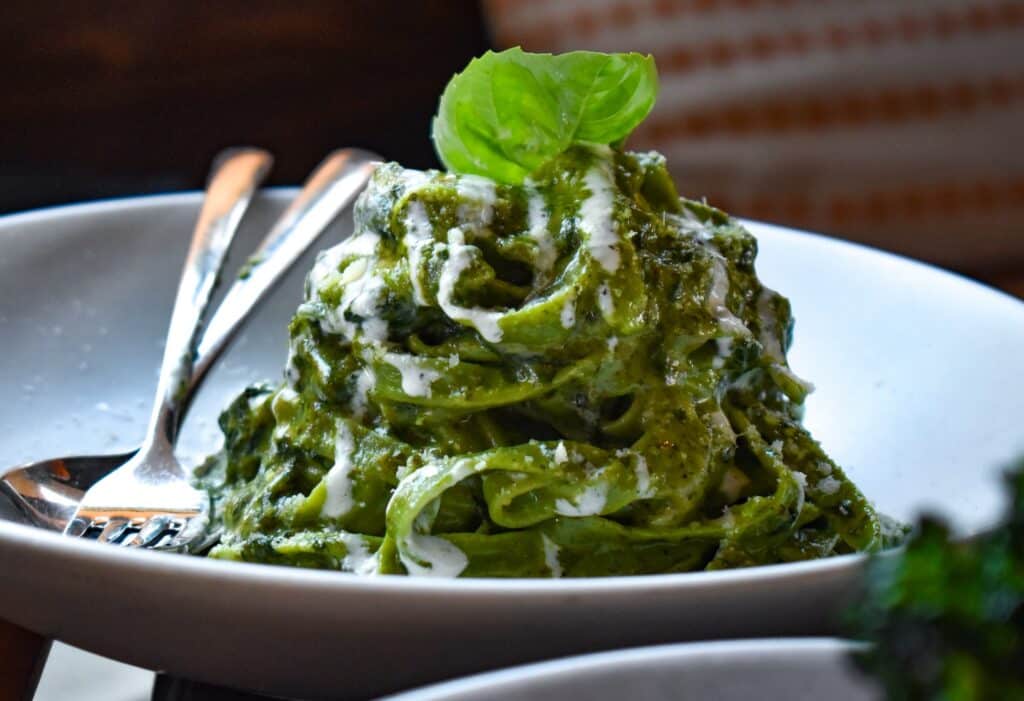
Most recognize the name from the Julia Roberts-led “Eat Pray Love” film based on the international bestseller, the L’Antica locations of the U.S. are a different beast. Yes, reflects that of the historic Napoli space but it is, deservedly, its own thing. And when it opened its Long Beach location, the focus was rightfully on pizza.
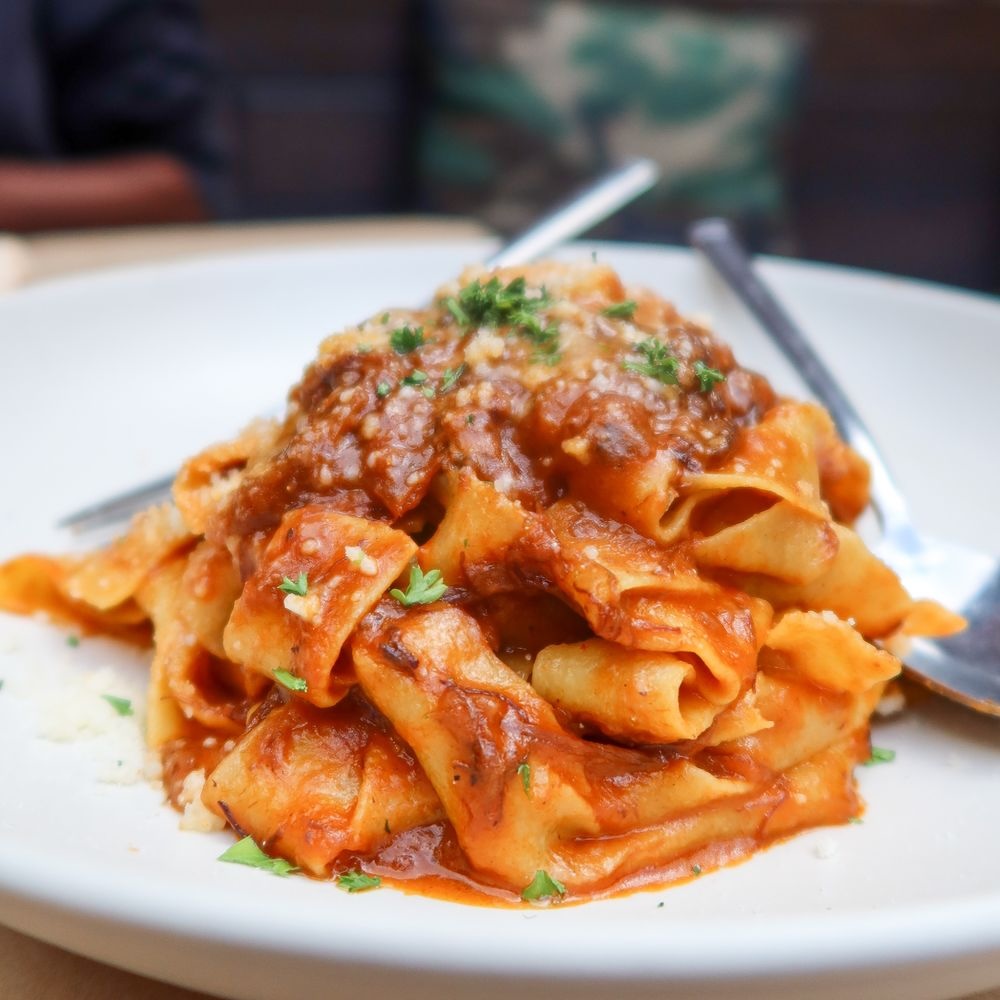
Yes, many know it for its famed pizza—which is also having its own renaissance in Long Beach—but its pasta should not be dismissed. Chef Shaki Castillo heads the program, having created staples like their recipe for cacio e pepe and pappardelle Genovese. This Oaxacan native—who started in the City of Angels as a dishwasher and literally worked his way up the hierarchal ladder—tends to keep the dishes straightforward, mimicking the offerings of the original L’Antica in Naples.
And instead of the traditional splash of pasta water, Chef Shaki has a bowl of water with parmesan rinds in it dubbed a “cheese broth” that is added as a binder to every plate of pasta.