

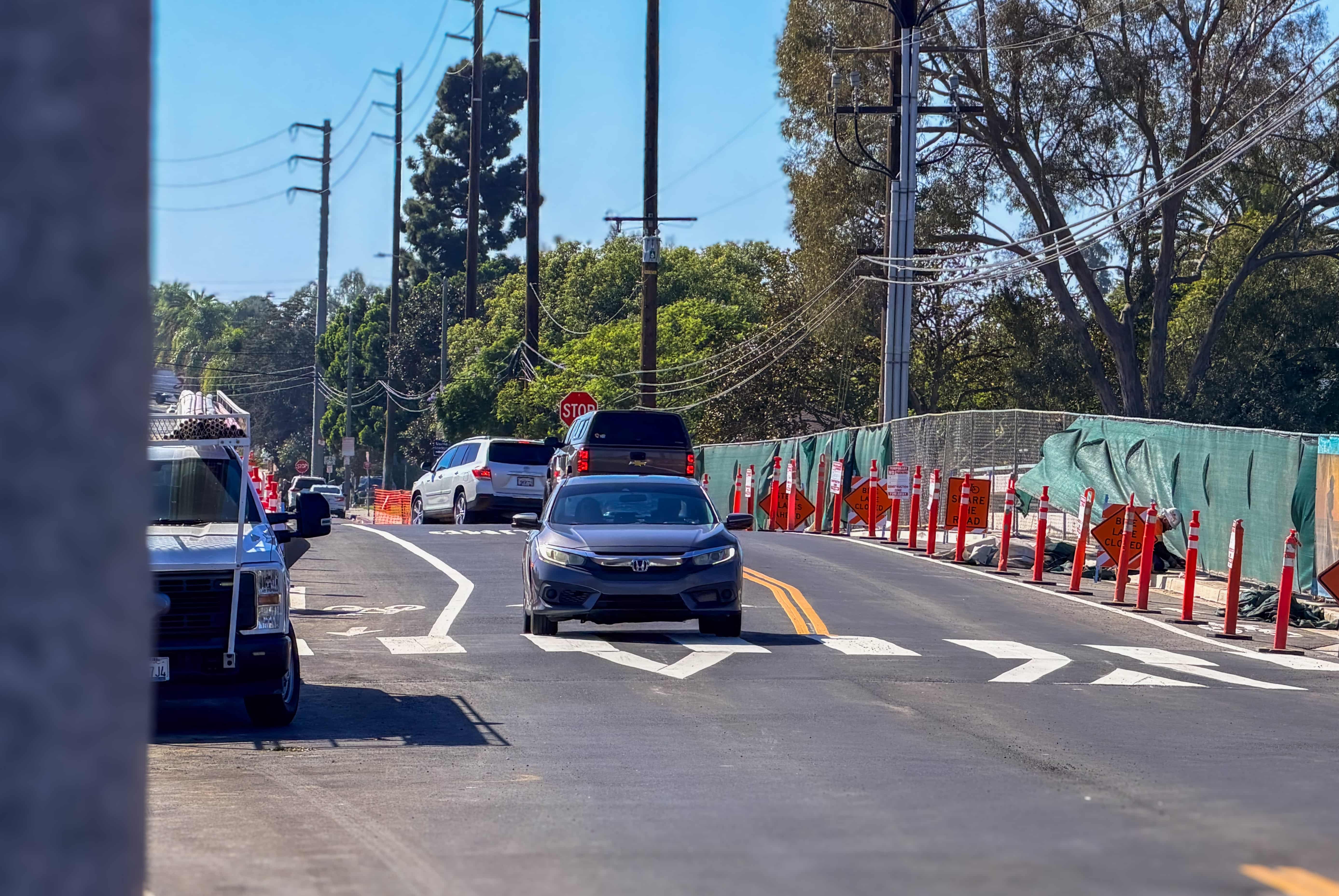
Since first closing the Colorado Lagoon to vehicular and pedestrian traffic in November 2022 for an infrastructure project to reconnect the lagoon to Marine Stadium, part of the project has now reopened. Cars and bikes can once again cut through the area thanks to the reopening of Colorado Street on the project’s northern edge. Eliot Street along the southern side of the project, touching Marine Stadium, remains closed.
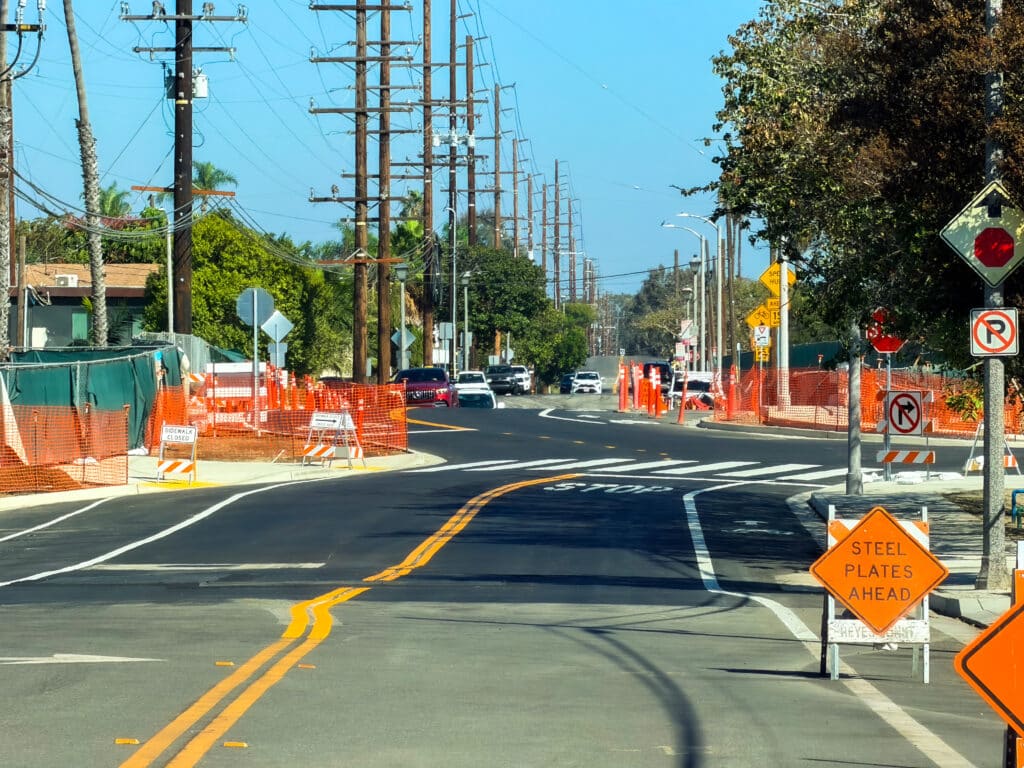
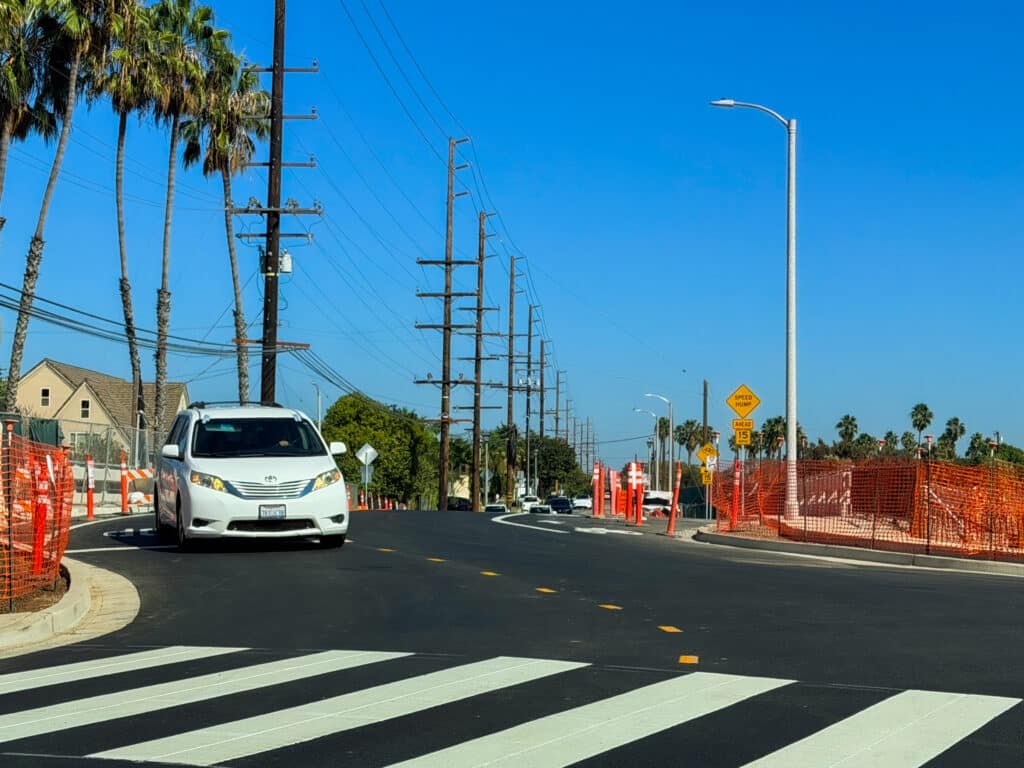
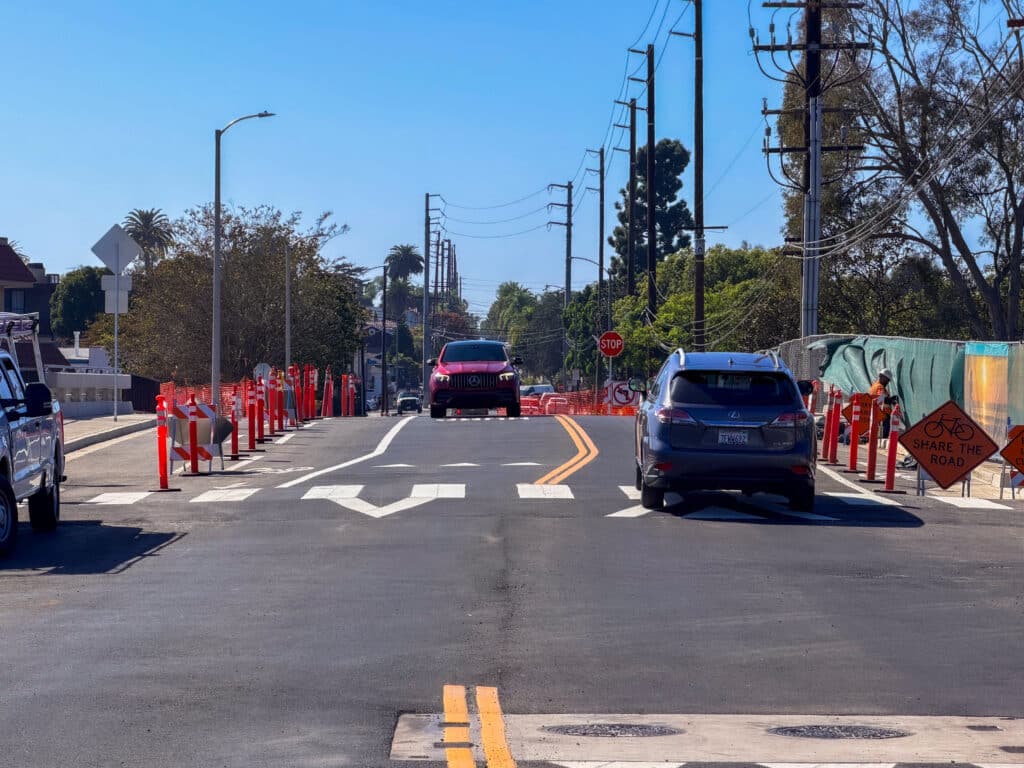
The news comes with a warm welcome: The streets were last promised to open at the end of 2024 (followed by the further setback that was the discovery of asbestos), giving false hopes to commuters who use the route to easily connect to Pacific Coast Highway or Studebaker via Loynes Drive rather than 7th Street.
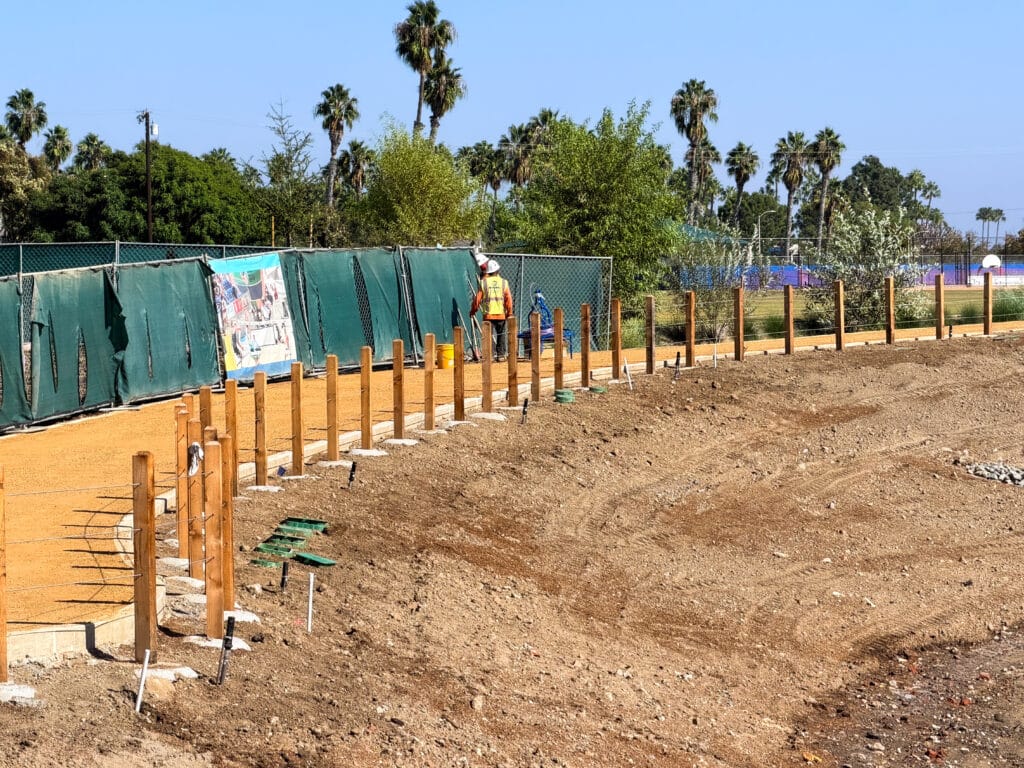
What exactly is happening at Colorado Lagoon and the northern tip of Marine Stadium?
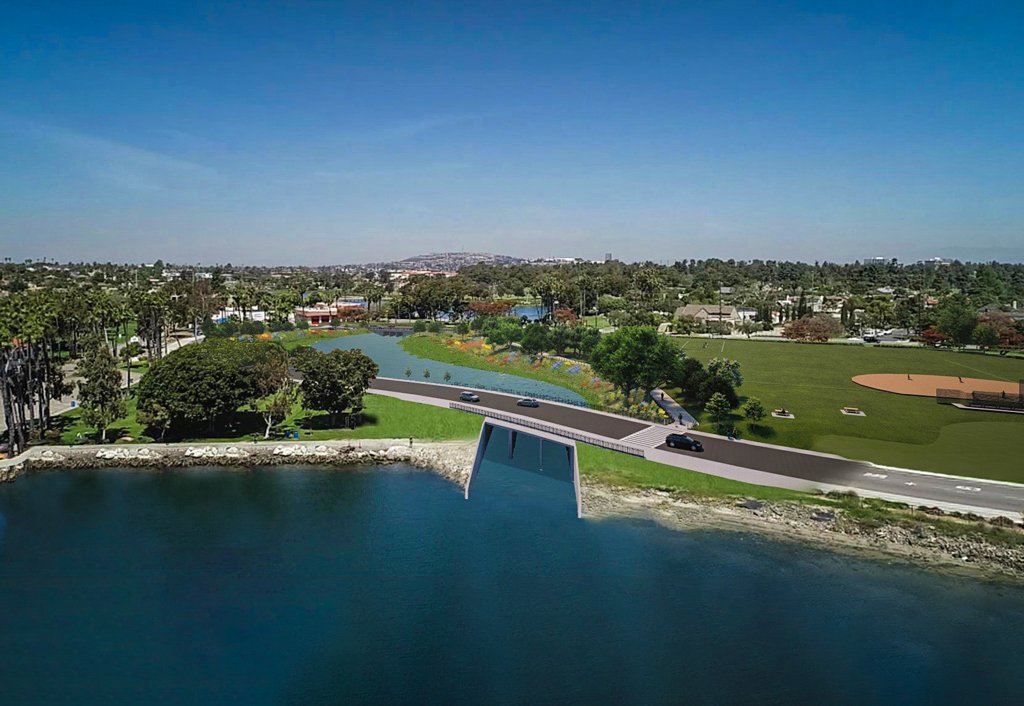
The main point of the project is complicated in terms of construction but relatively simple in concept: returning the Colorado Lagoon back to its former glory by reconnecting it more fluidly to the Marine Stadium via a new tidal channel that will run through Marina Vista Park.
Excavation of Marina Vista Park for the new channel has begun, giving people a very rough preview of what the channel will look like upon completion, stretching from the south side of the Colorado Lagoon to the northern tip of Marina Stadium.
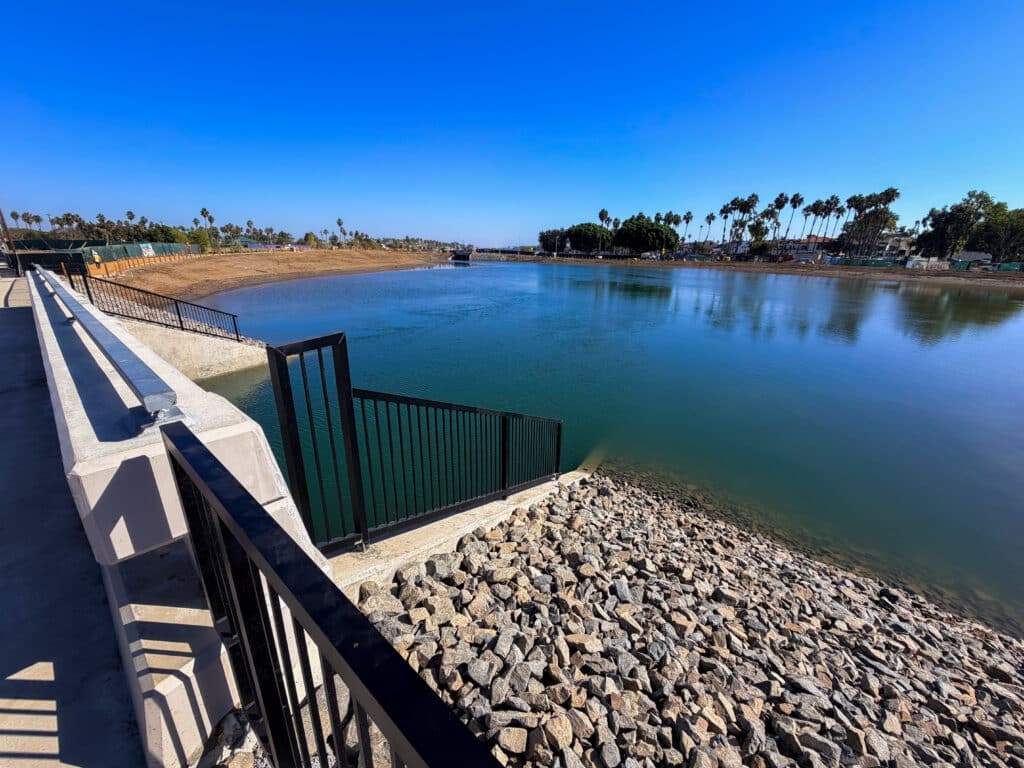
And the slight vibrations felt by neighboring residents? That was the result of sheet piling installation at both the southern part of Colorado Lagoon and the northern tip of Marine Stadium where it meets Elliot Street. The sheet piles are being used to both blockade the water and allow the demolition of existing infrastructure to make way for new bridges: One that will run over the new tidal channel along Colorado Street on the north and another that will run over the channel where it meets Marine Stadium on Elliot Street.
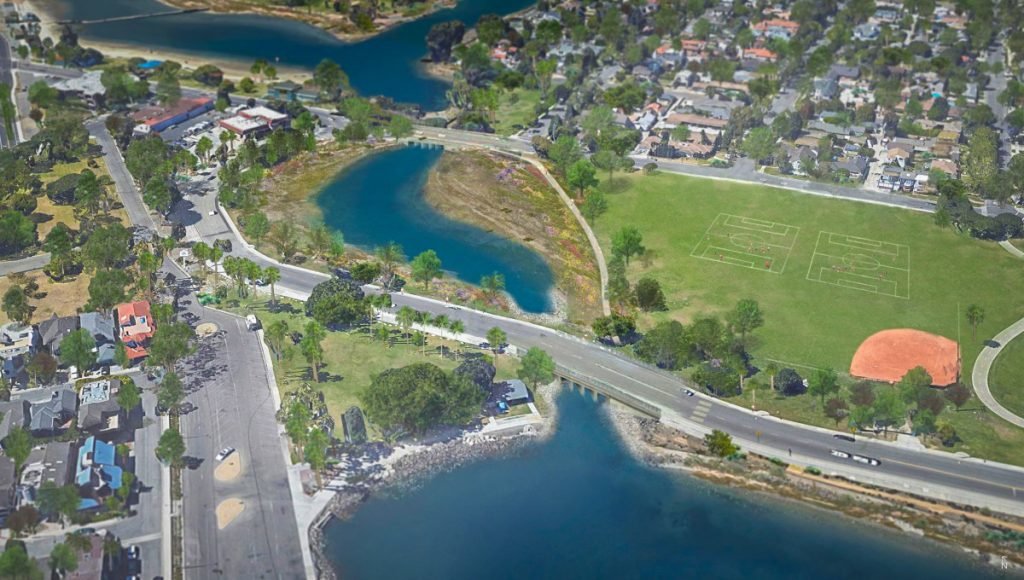
What will the Colorado Lagoon and Marina Park look like upon completion?
When first reporting on the project in 2021, the city was out to bid on a contractor before one was chosen in November of 2022, its cost increasing from $26.3M to $32.5M—and, when complete, it will return the water channels to something almost identical to what previously existed before overdevelopment of the space led to an eradication of its environment.


The tidal channel project is the last major phase of what has been a two-decade overhaul of the area: In 2001, the Friends of Colorado Lagoon coalesced to address the massive pollution within its water and decay surrounding the lagoon itself after multiple development projects, beginning in the 1960s, restricted its flow to Marine Stadium.
What’s the history behind Colorado Lagoon and the surrounding area?
What was once a beaming jewel of the city, the lagoon was and remains one of the few remaining coastal salt marshes on the West Coast—and with a rich history which includes being home to the 1928 U.S. Olympic diving trials as well as one of the most loved picnic spaces by locals, resident concerns were valid.

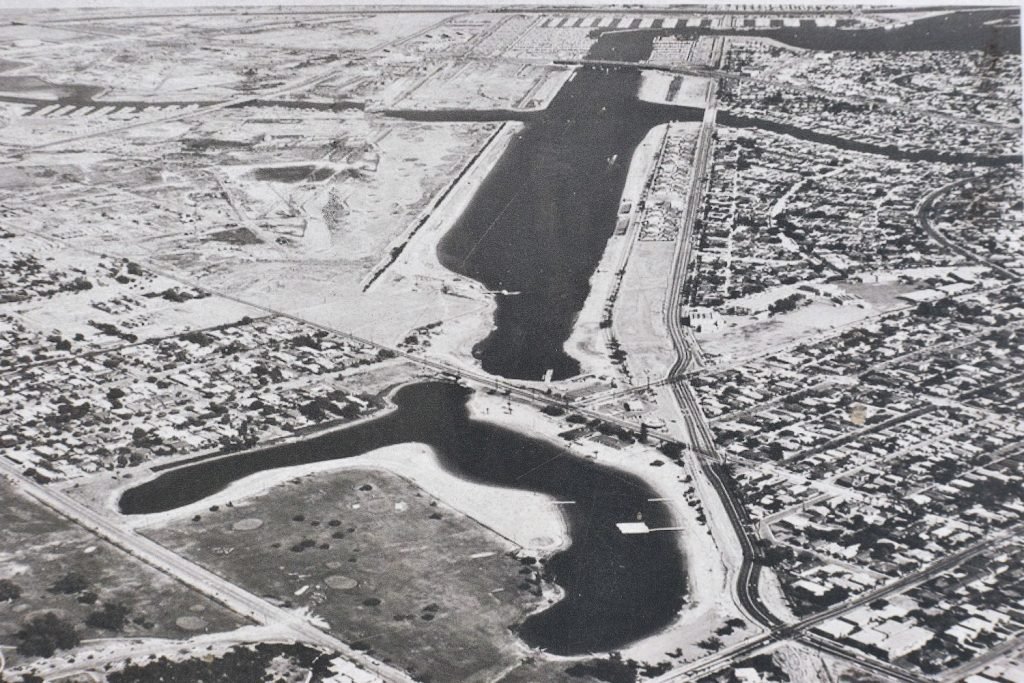
On the left: Colorado Lagoon as it was configured during the 1928 Olympic trials. On the right: The first of what will eventually be many constrictions on the Lagoon’s connection to Marine Stadium in the late 1960s.
Once part of the 2,400-acre Los Cerritos wetlands, it had once enjoyed open connection to the tidal flows in nearby Alamitos Bay. In the 1960s, with an increase in urbanization, an underground culvert was created but prevented full tide drainage and following the many storm drains which dump into the lagoon, led to its pollution.
By the late 1990s, the once-flourishing recreation destination and wildlife habitat was instead filled with what Heal the Bay continually dubbed a “Beach Bummer,” continually making lists of the state’s most polluted water bodies, with elevated levels of harmful chemicals and bacteria.
Once advocates were able to connect with the city after years of back-and-forth about how to restore a lagoon, it took nearly three years to complete a full evaluation.
And then it took another five years for the next phase that proved to be the real transformation: A four-year sediment removal that carefully required not killing or too harshly disrupting the existing ecosystem followed by a year-long process in restoring the shallow water habitat and shoreline that was altered by the sediment removal process.