
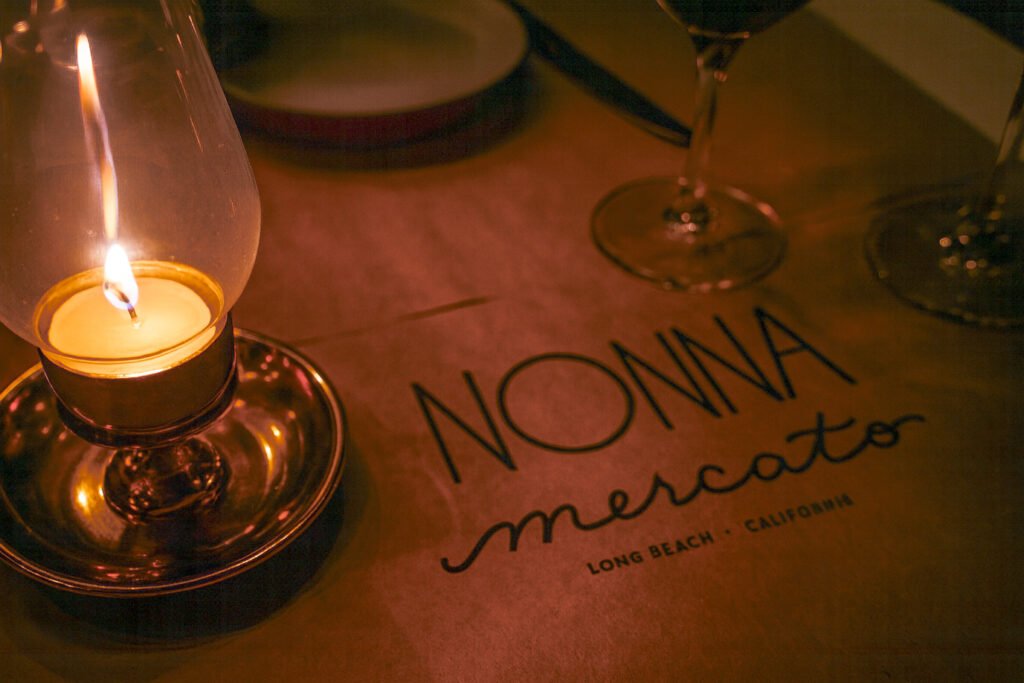
When Chef Cameron Slaugh quietly announced a winter version of his summer dinner series at Nonna Mercato, the daytime-only space, the dinners sold out almost immediately. A $60 affair that includes a multitude of courses and a couple of upgrades—a truffle dish there, some filet en croute here—Chef Cameron and the Nonna family decked out the space for the first time during winter evening hours. Hand-made wreaths adorned the ceiling. Plenty of wine happily flowed.
And guests rightfully demanded one thing: that dinner service be the norm at Nonna Mercato.
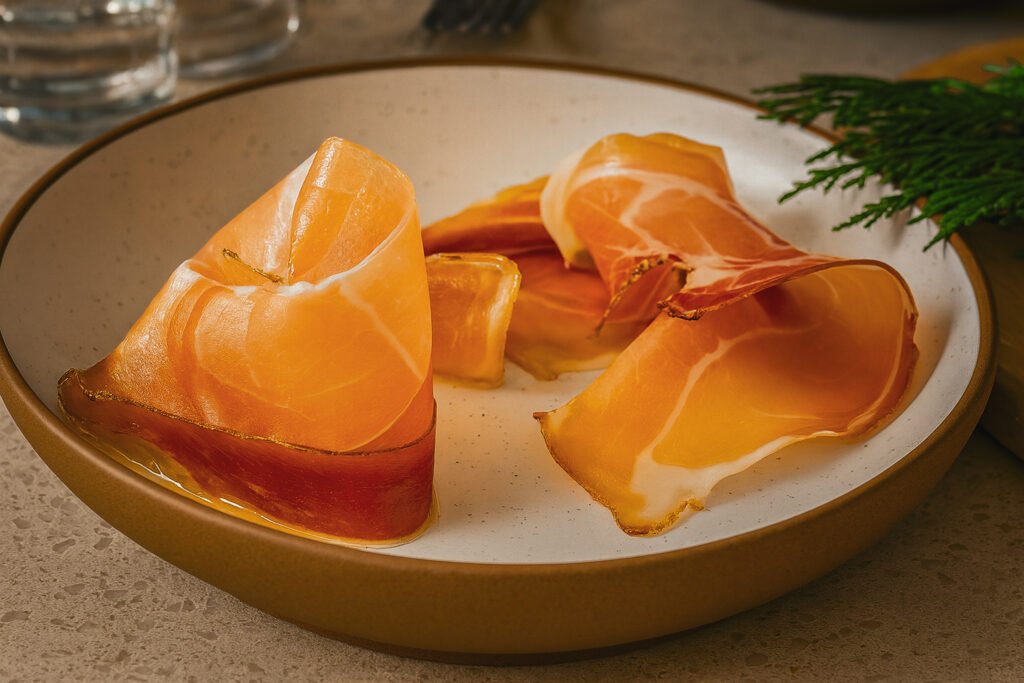
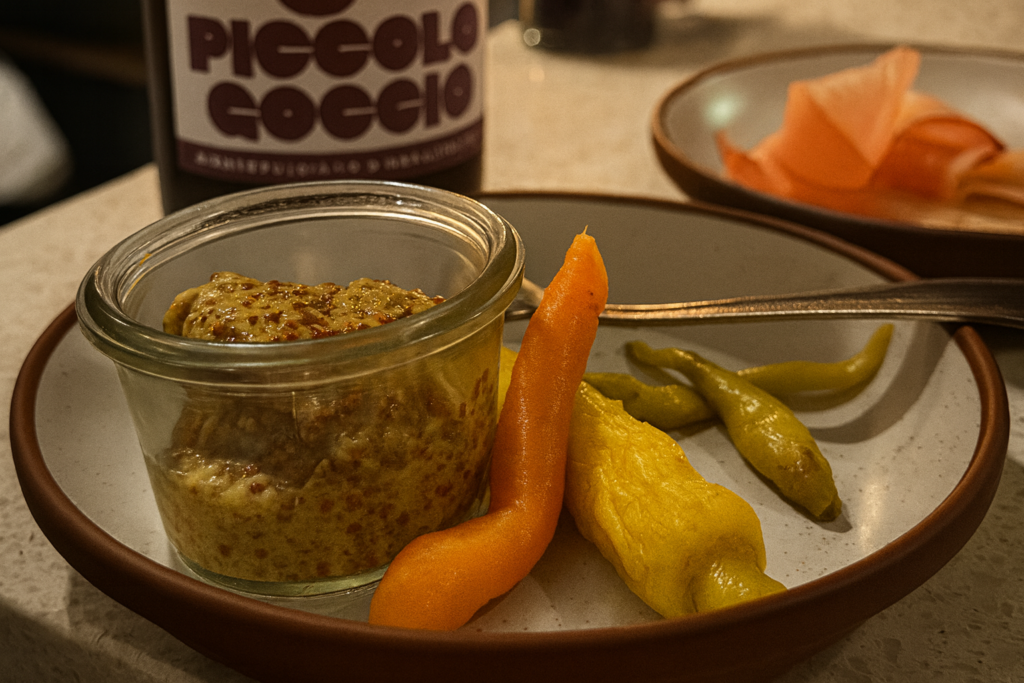
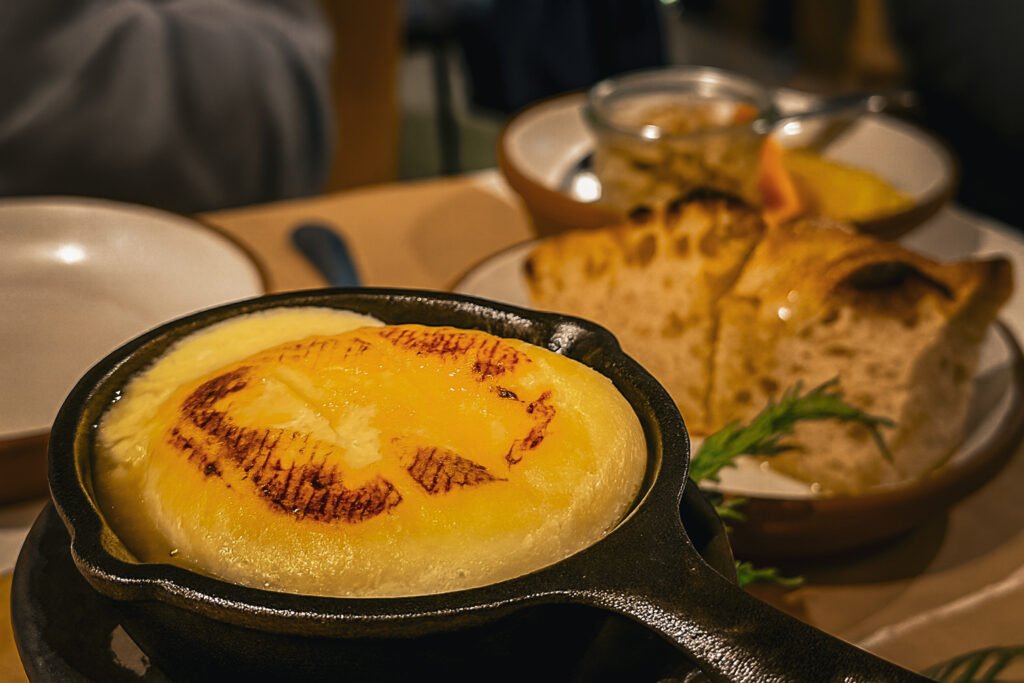
Nonna Mercato is Chef Cameron Slaugh’s personal poem to his heritage and his culinary dreams.
You will often find Chef Cameron masterfully rolling his mattarello—a roughly meter-long wooden pin, purchased while he was in Italy—over a piece of dough that was formerly a ball into a large disc. Lying it delicately over the edge of his massive wooden plank, cascading his hands outward and inward along the pin, he’ll lift the disc to shine a light through it, holding his hand in the back to see how opaque (or not) the disc was.
And then back at it. Over and over. Shapes that will come of this process are seemingly endless: tajarin. Soppressini. Tortellini. Torchietti. Cappellett. Pici. All of this is reflected in Nonna Mercato, through its everyday operations to its annual 12 Days of Pasta to Northern and Summer Nights.
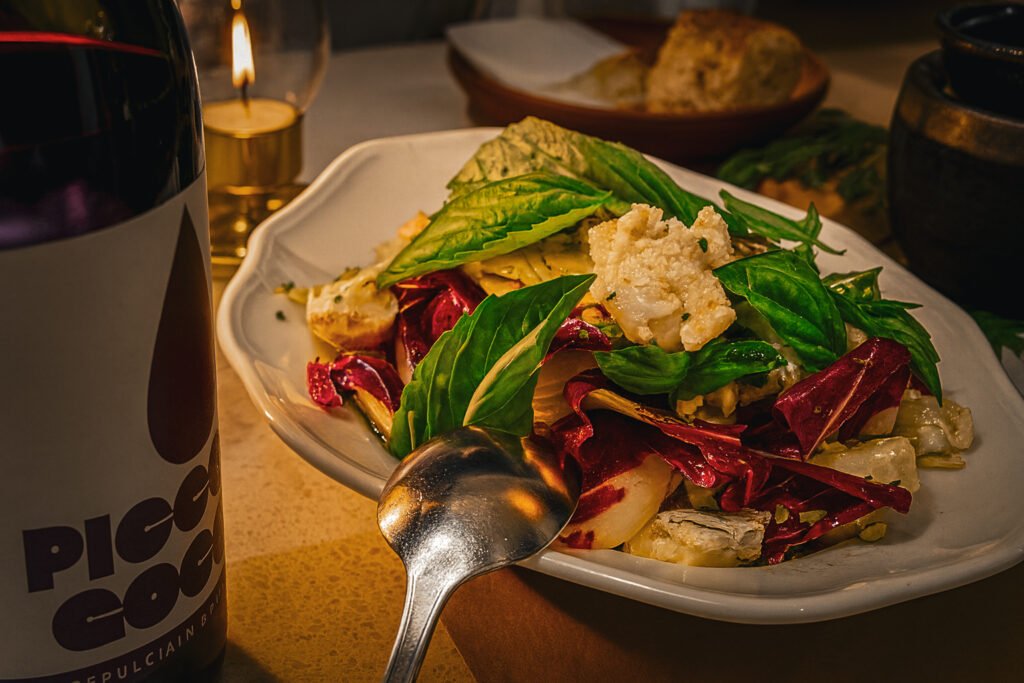
“I continually visit Italy and visit as many regions as I can,” Chef Cameron said. “For Northern Nights, the focus was on the north: Piedmont. Emilia Romagna. Friuli. Trentino… These areas are some of the most distinct in Italian cuisine and the rarest to find at ordinary Italian restaurants stateside—and it’s all part of what I’ve always wanted from this space, which I imagined before I ever stepped foot in The Attic.”
With it, he creates the city’s best, most passionately created pasta.
F*?! your sheeter: Every pasta at Nonna Mercato is hand-rolled.
Long Beach is truly in the midst of a pasta renaissance. From traditional takes like the Italian Homemade Company, La Parolaccia, and Vino e Cucina to modern interpretations from Ellie’s, Bar Becky, and Marlena, we have never had our city more collectively connected with the central carby chief. And Chef Cameron is leading the way—with this dinner proving no less, with the kitchen having ditched sheeters and solely focusing on hand-rolled, mostly hand-cut pastas.
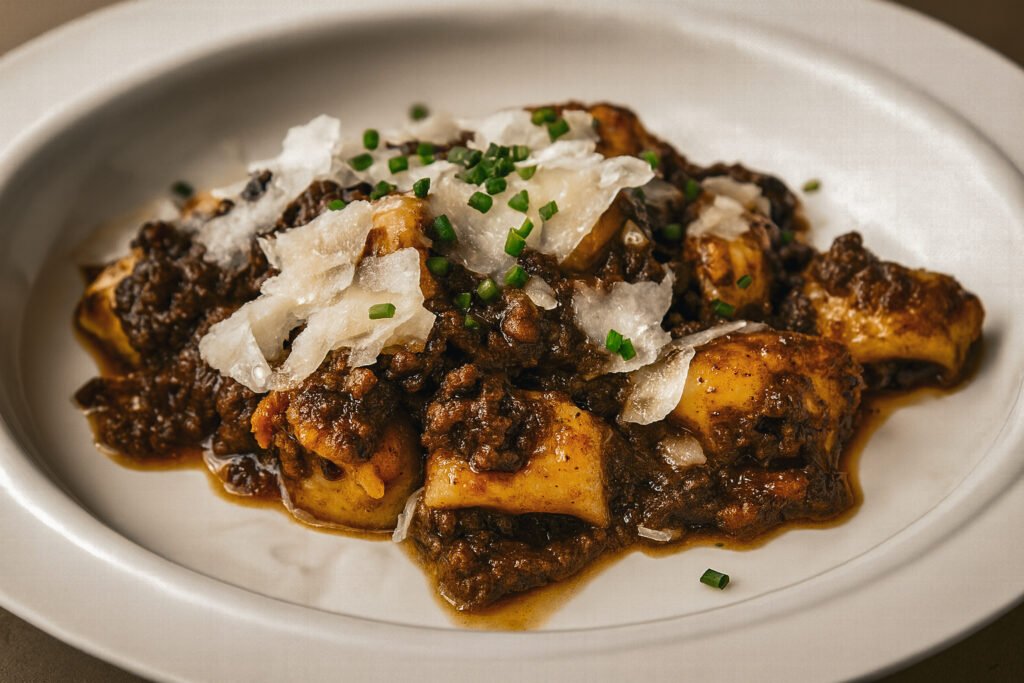
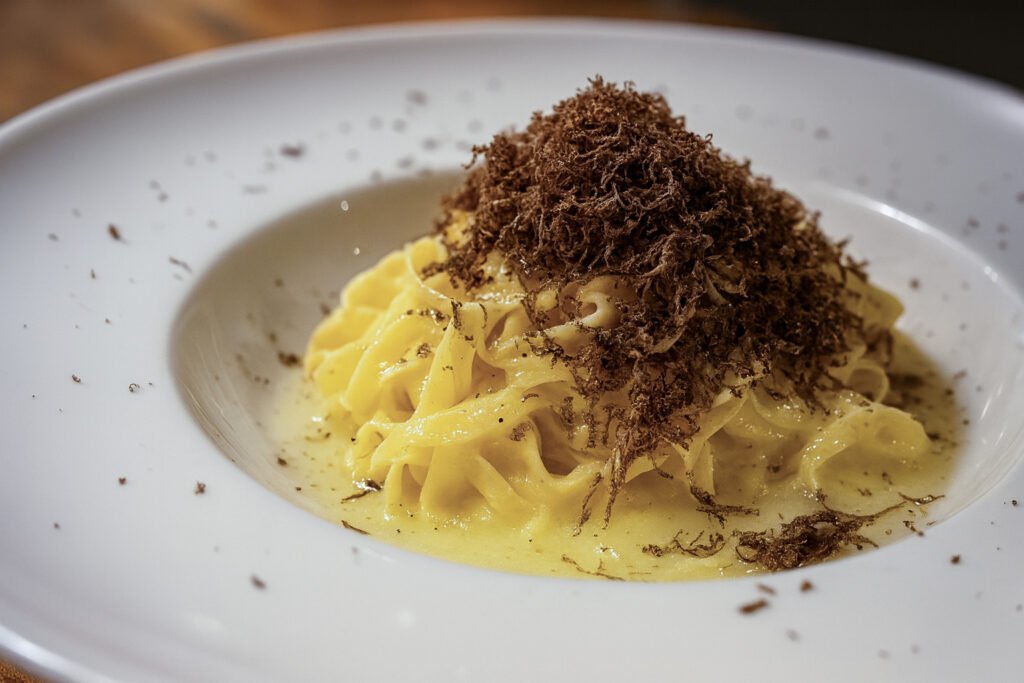
A ricotta gnocchi slathered in a black trumpet mushroom that is as dark as the mushroom itself, dotted with white, large shavings of funky pecorino. A hand-cut tajarin—ravishing ribbons coated in butter and pecorino—doused with Piedmont black truffle; a pasta lover’s give-me-this-all-the-time equivalent.
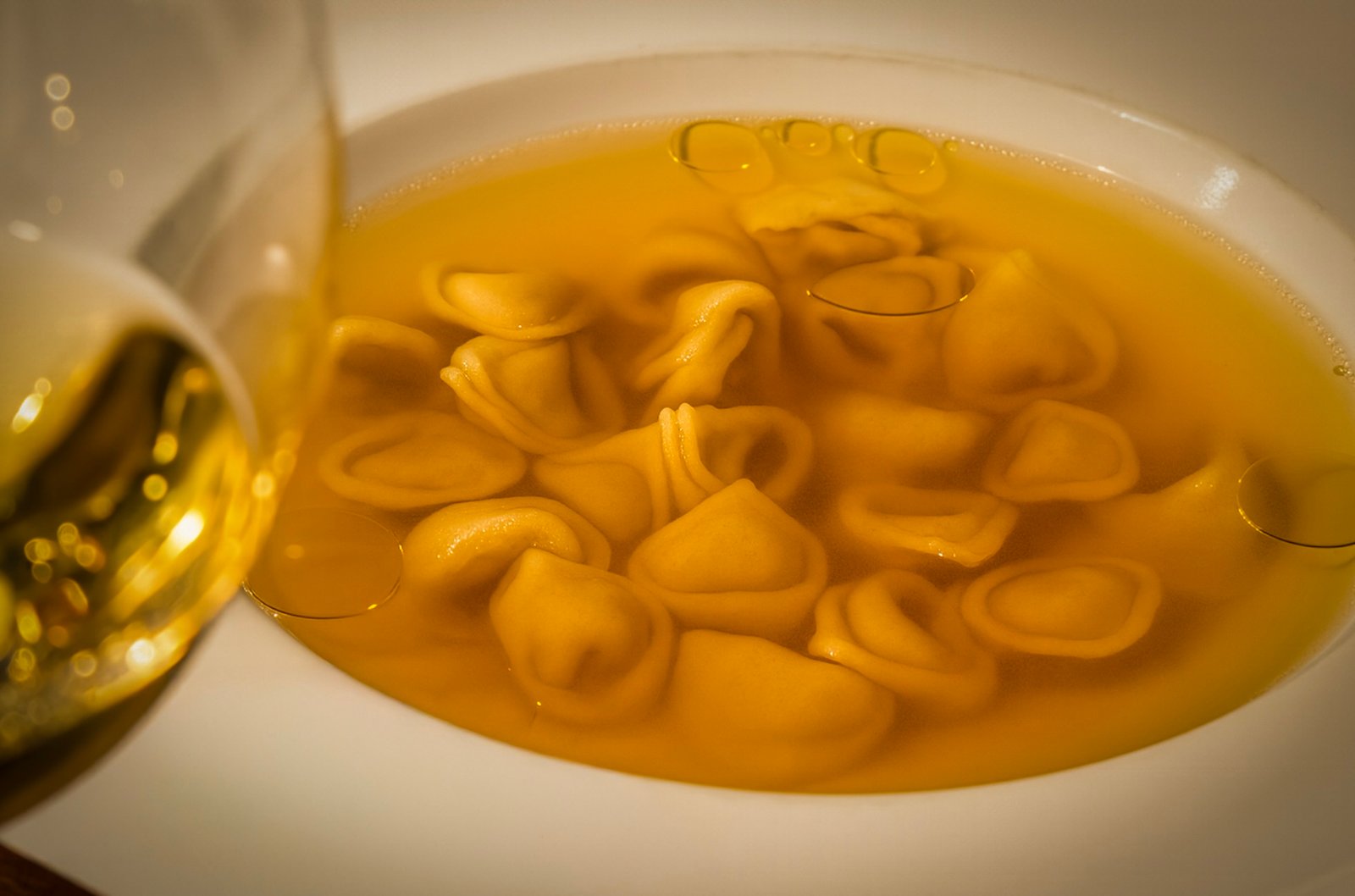
Take his hand-rolled masterpiece, his tortellini, a from-beginning-to-end handmade endeavor. For this series, a hyper-traditional take on the Emilia-Romagna legend that is tortellini en brodo. Rounds of pasta—topped with a mound of ground mortadella, prosciutto, and parmesan—whose edges are melded and inverted to create brilliant little pockets of meat-stuffed magic. Then it is laid in a capon, a beef broth that is shockingly soft but resolutely rich.
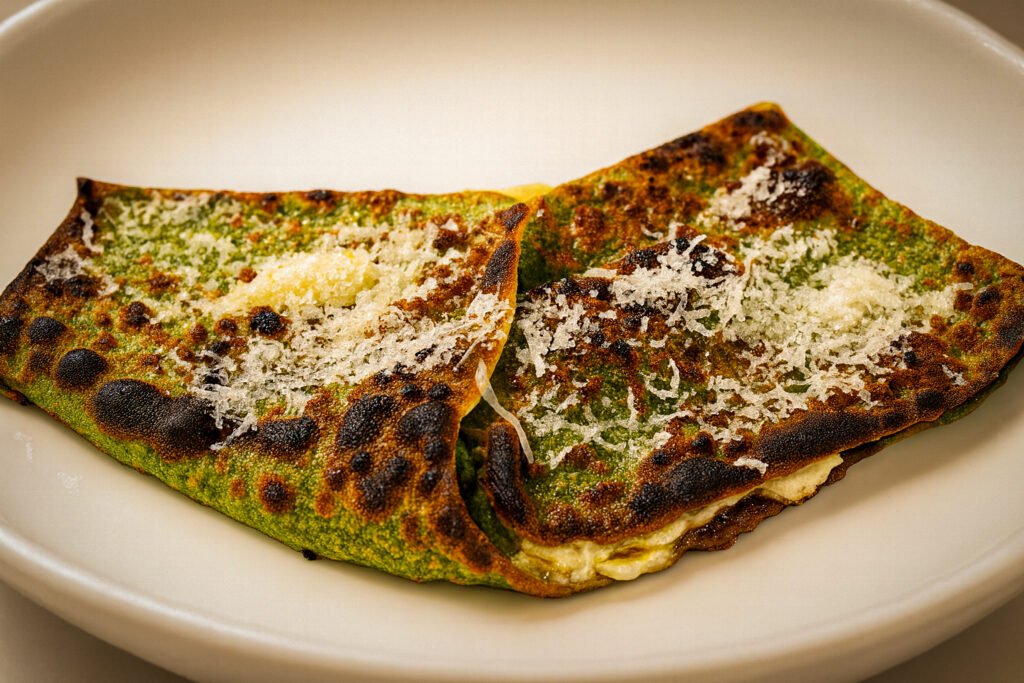
Or, perhaps, the most surprising pasta of the evening: a Bologna-style lasagna partially deconstructed into long strips, folded, and thrown into a pizza oven. The result? A crispy-meets-soft creation where a pork ragù comingles with béchamel and pecorino. Crunch and richness folded into a splendid salt-bomb.
The importance of tasting dinners—and how their spread across Long Beach is proving fruitful.
Tasting menus have become one of the most vital tools for keeping a food scene dynamic, imaginative, and forward-moving.
Whether it is only done so often—think Selva—or as a permanent part of their structure—think Heritage—by stepping outside the constraints of à la carte service, chefs are able to explore ideas that may be too intricate, seasonal, or unconventional for a standard menu format. These curated experiences become laboratories of creativity and spaces where technique, flavor, and storytelling can evolve freely. Even more, they are financially stable: Knowing exactly how many guests means the kitchen can purchase and prepare exactly what they need for the evening.
For diners, tasting menus offer something equally valuable: the chance to experience a chef’s perspective without limitation. It is something I proudly upheld during my Long Beach Grand Prix Fixe chef’s competition, where guests didn’t know the menu until they arrived for the first set of dinners. And then, for the finale, I had no menus at all. It encouraged the guest to trust the chef and learn to not jump ahead and, instead, with each course, take it in fully.
This is the heart of tasting menus: rather than choosing a single dish, guests are guided through a progression of flavors that reveal the depth of a kitchen’s craft. Its curiosity. Its discipline. And its imagination. Tasting menus introduce people to ingredients they might not normally encounter and combinations they may never have thought to try, broadening palates and deepening appreciation for the culinary arts. In this way, they serve as cultural incubators, keeping the dining community engaged, challenged, and excited. When restaurants invest in tasting menus, they’re not just elevating a meal; they’re helping ensure the food scene remains alive, evolving, and full of possibility.
So next time, if you have the means, go.
Nonna Mercato is located at 3722 Atlantic Ave. Northern Lights is currently booke entirely; inquire to see if cancellations have been made.