

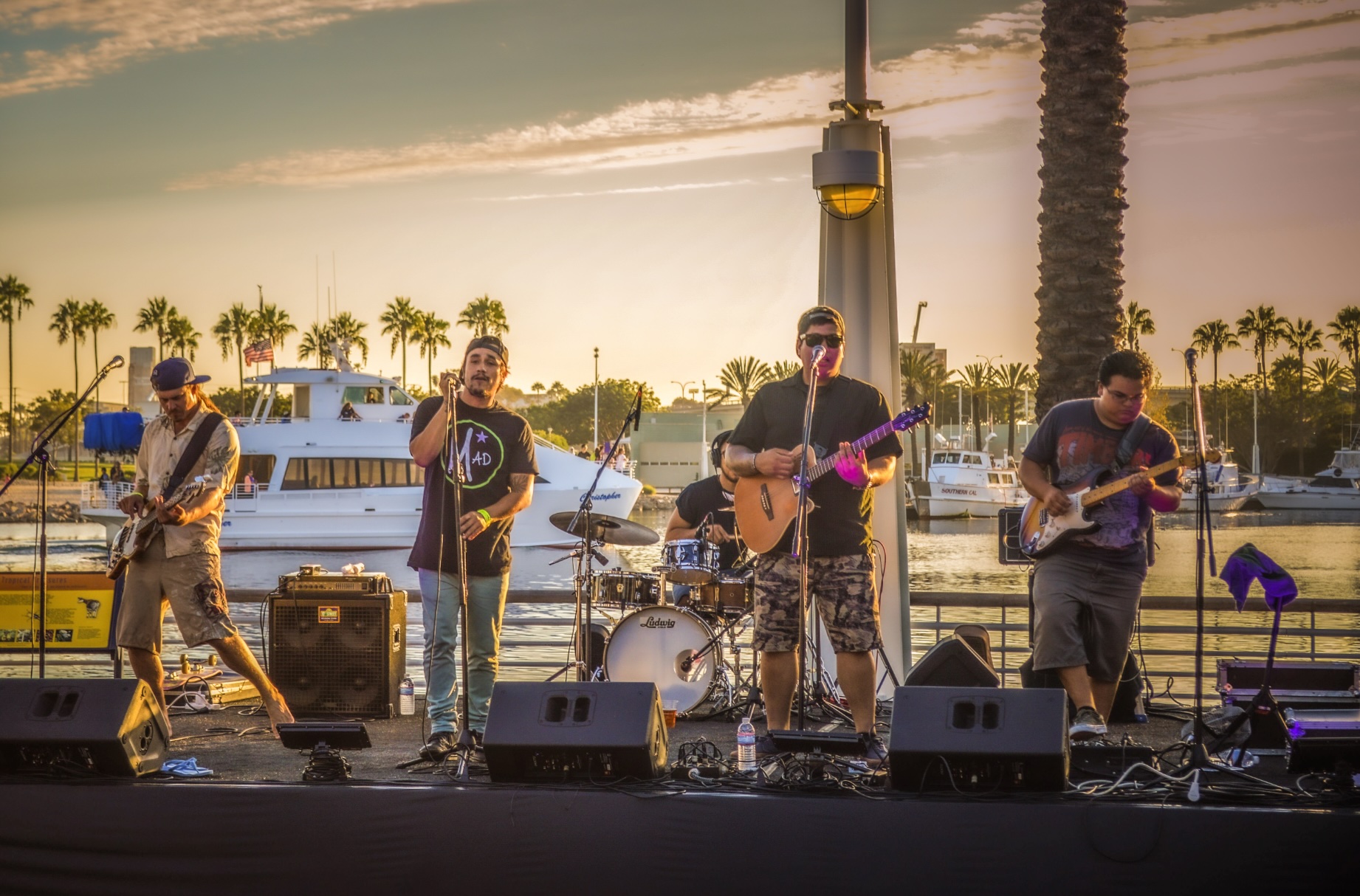
Long Beach might just become a live music-friendly city—and not just in the sense of massive projects like the Long Beach Amphitheater or long-respected proper venues like Alex’s Bar.
In approving a contract with Sound Diplomacy, the globally recognized consulting firm specializing in music and creative economy planning, the Long Beach City Council has formally launched work on an Entertainment Strategic Plan. The intention? To define how Long Beach grows its music, entertainment, and tourism sectors with actual policies behind the ambition. The contract allocates $125,000, plus a 10% contingency of $12,500, bringing the total authorized amount to $137,500—drawn from the $150,000 that the City Council had already earmarked in FY25 for the project.
And this makes sense: Long Beach has long behaved like a music city before ever formally calling itself one.
This is the place where garage bands grew beside port cranes. Where jazz once filled downtown rooms late into the night. And where Cambodian musical traditions remain embedded in neighborhood identity, and karaoke goes until the wee hours inside Cambodian restaurants. Where punk became civic language… But until now, much of that identity has existed in fragments where it all felt culturally obvious, but was, in reality, civically under-structured.
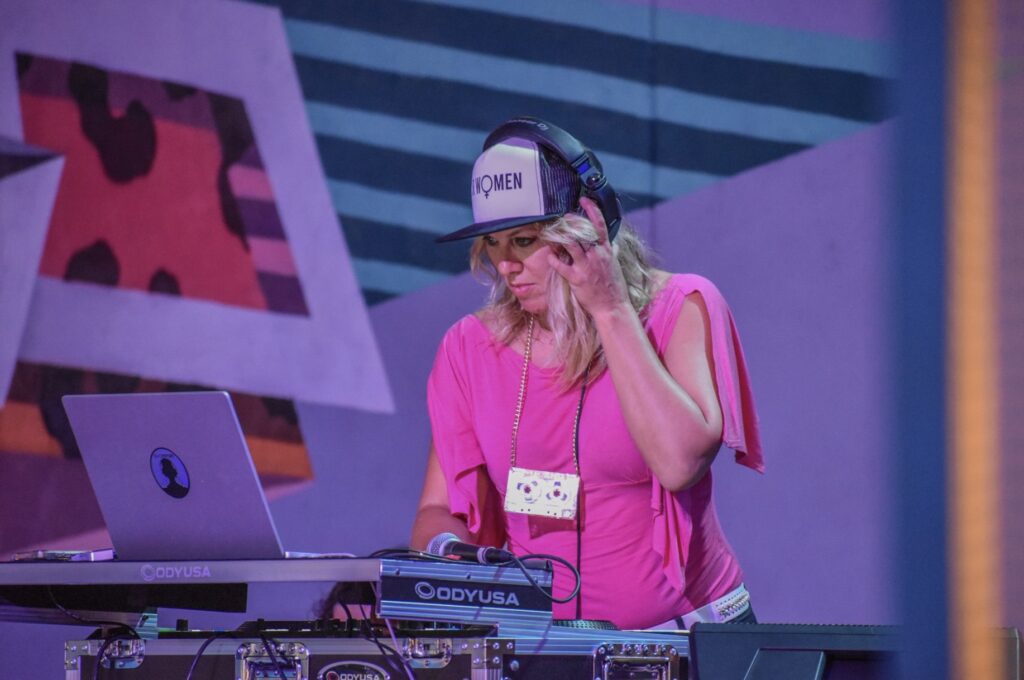
To allow live music, we are civically under-structured—which also means live music is over-regulated.
You might have seen the owner of Wicked Wolf, Thea Mercouffer, recently breaking down the absurd bureaucratic hoops a small business has to go through just to host live music. For Mayor Rex Richardson, the conversation is not simply about large civic projects but precisely issues like the one Thea brings up.
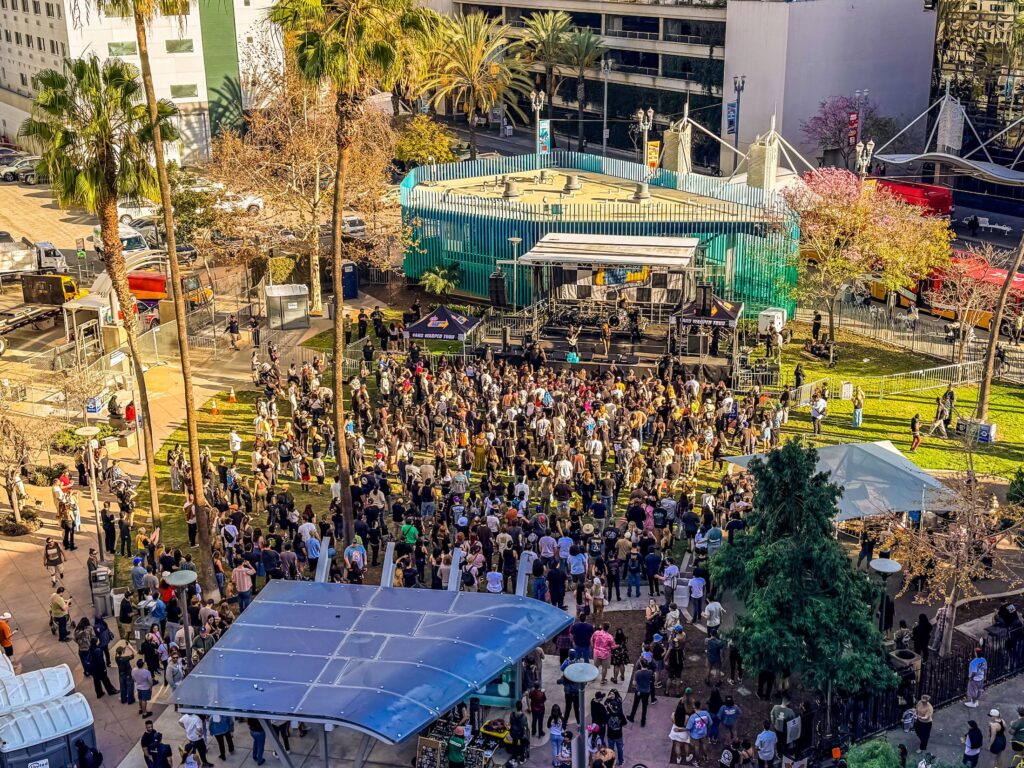
“We are talking about making Long Beach a music city,” Richardson said. “Not just through big things like the Amphitheater, but in all the macro possibilities: live jazz quartets at your favorite bar or a local band in a restaurant’s back patio.”
That distinction matters because while the proposed waterfront amphitheater often dominates headlines whenever Long Beach’s entertainment future is discussed, this plan signals something broader: an attempt to think about music as infrastructure, not event programming.
In practical terms, the city is now asking bigger questions. How easy is it to open or operate a small venue in Long Beach? Which restaurants or bars could host live performances but currently do not? What policies make entertainment harder than it needs to be? Which neighborhoods remain culturally active but under-supported?
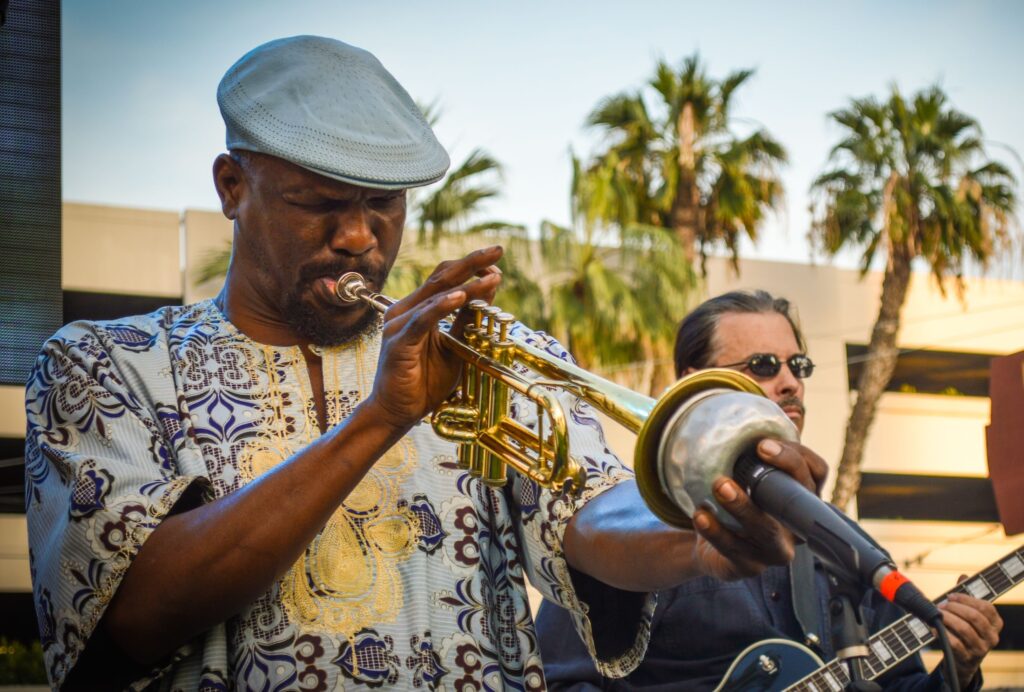
What prompted this Entertainment Strategy Plan?
The effort falls under the City’s broader Grow Long Beach Initiative, the economic development framework that identifies music, entertainment, hospitality, and tourism as industries capable of diversifying the local economy. In that framework, creative output is not merely aesthetic—it is economic strategy.
To shape that strategy, Long Beach issued RFP ED-25-612 in July of last year, seeking a consultant capable of delivering both cultural analysis and practical recommendations. Eleven firms submitted proposals; three were interviewed. Sound Diplomacy emerged as the selected firm.
The choice is notable. The company has advised more than 150 clients across 40 countries and has become one of the most frequently cited firms internationally when cities attempt to define what their music economies actually look like—not just through festivals or marquee venues, but through zoning, permitting, artist ecosystems, nighttime governance, and public-private partnerships.
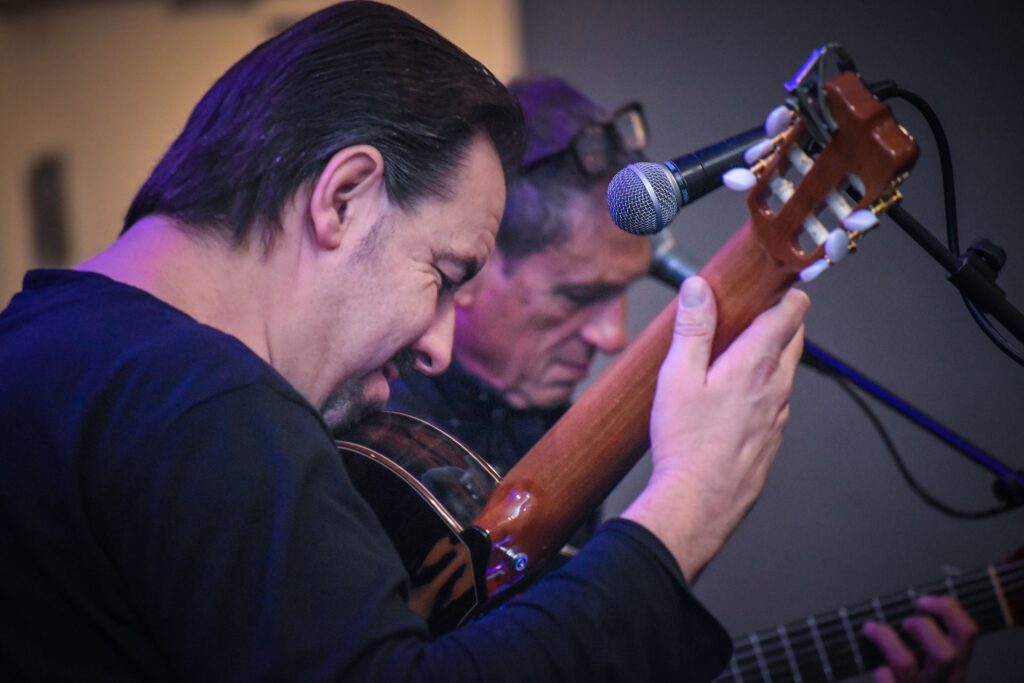
Long Beach’s scope of work begins with listening.
The first phase centers on stakeholder engagement: musicians, venue operators, promoters, cultural organizations, business associations, hospitality operators, and city departments will all be brought into interviews, surveys, focus groups, and public workshops. The city wants broad representation, explicitly seeking perspectives from both established institutions and those working closer to the grassroots level.
The second phase looks outward. Sound Diplomacy will study three to four cities already recognized for strong music and entertainment sectors, examining how those places built policy around nightlife, venue retention, branding, and placemaking—and which of those ideas could realistically translate to Long Beach.
Just as important is the city’s venue inventory: a comprehensive accounting of existing entertainment spaces, both public and private, along with recurring events and underutilized properties that may hold future potential. That includes identifying spaces that are not currently treated as entertainment assets but could become part of a wider network.
And then comes the harder civic work: ordinance review.
Current permitting systems, zoning rules, operational restrictions, and noise regulations will all be evaluated to determine whether Long Beach’s own bureaucracy unintentionally suppresses live entertainment growth. The goal is not deregulation for its own sake, but identifying friction points—especially for smaller businesses that might otherwise host performances, activations, or events.
The final deliverable, expected within a year, will be a phased implementation plan complete with timelines, measurable performance indicators, funding recommendations, and departmental responsibilities.
In other words: not another abstract vision document, but a blueprint the city intends to operationalize.
Whether that ultimately produces more venues, stronger nightlife corridors, easier permitting, or simply a clearer identity remains to be seen. But for a city whose cultural output has often outpaced its own institutional recognition, the move marks a rare shift: Long Beach is not just celebrating its music culture—it is trying to build policy around it.
And if Richardson’s framing holds, success may not be measured only by what rises on the waterfront, but by what becomes newly possible in the smaller spaces already scattered across the city: the jazz trio in a neighborhood lounge, the songwriter on a patio, the local act that no longer has to leave town to find room to play



Brian, awesome article. Keep the Faith…
-Broadway, Nashville… 6th Street, Austin…Beale Street, Memphis… FrenchMen, NOLA… of course Sunset, Hollywood and hopefully Pine, Long Beach.
Respectfully,
Lionel
Board Chair | Long Beach Blues Society
Thanks for the mention! This is great, timely news. We applaud the City and the Mayor for wanting to grow LBC into an arts hub. I wonder if we might have bypassed spending money on an outside consulting firm, and used it instead to waive the $2,000-$3,000 application fee for entertainment permits, to jumpstart the process. The community engagement part of the process sounds exciting, and much needed.
You would think that choosing a company that “has advised more than 150 clients across 40 countries and has become one of the most frequently cited firms internationally when cities attempt to define what their music economies actually look like” would negate the need for that second phase of studying “three to four cities already recognized for strong music and entertainment sectors”. Shouldn’t they already have that information if they are the leading firm in this space?
About 8 years ago, the now defunct Long Beach Music Council proposed this idea to the city. There was initial interest. The city spent about $30,000 sending staffers to other cities to study their policies. Nothing ever came out of it. You might look into this. There’s a great study done by Music Canada called The Mastering of a Music City (available to download). It does all this research. Having the city study other cities is really a waste of time and just delays progress. There are very simple things to tackle to encourage a music city. There seems to be a penchant to stop progress with bureaucracy. I hope I’m wrong as the initiative is a good one. I suggest the city talk to the venues in town, music promoters and musicians.
As John Surge indicated, the Long Beach Music Council produced a “white paper” authored by John, Shea Newkirk, Stan DeWitt, and myself Marc Davidson. This was distributed to a core group of City departments, which began the study John mentioned. Unfortunately, the pandemic halted its momentum. I still have the “white paper” and would be happy to share. The Arts Council for Long Beach has long discussed increasing our advocacy for city-wide live music, and would love to participate in any discussions.
Calling this “an attempt to think about music as infrastructure” raises a practical question about the promised performance indicators. Will Long Beach track the time and total cost for a restaurant to get permission for its first patio performance? That would help show whether ordinance changes actually benefit the smaller spaces Richardson describes.