
Long Beach Food Scene Week kicks off July 31 and runs through Aug. 9, celebrating our city’s ever-evolving food culture. To uplift our chefs, restaurateurs, managers, bartenders, line cooks, servers, bussers, and everyone else who makes Long Beach hospitality what it is, I will be highlighting specific participants—like this focus on Homareya.
When Homareya opened in Downtown Long Beach, it quietly accomplished something the city had long been missing: it became Long Beach’s first proper izakaya.
Under Kyoto-born Chef Yoya Takahashi, the intimate space is less about flashy rolls or oversized portions and more about capturing the everyday drinking-and-dining culture of Japan through, let’s say, meticulously prepared yakitori, where chicken hearts and livers are threaded onto skewers and slightly charred yet wonderfully soft.
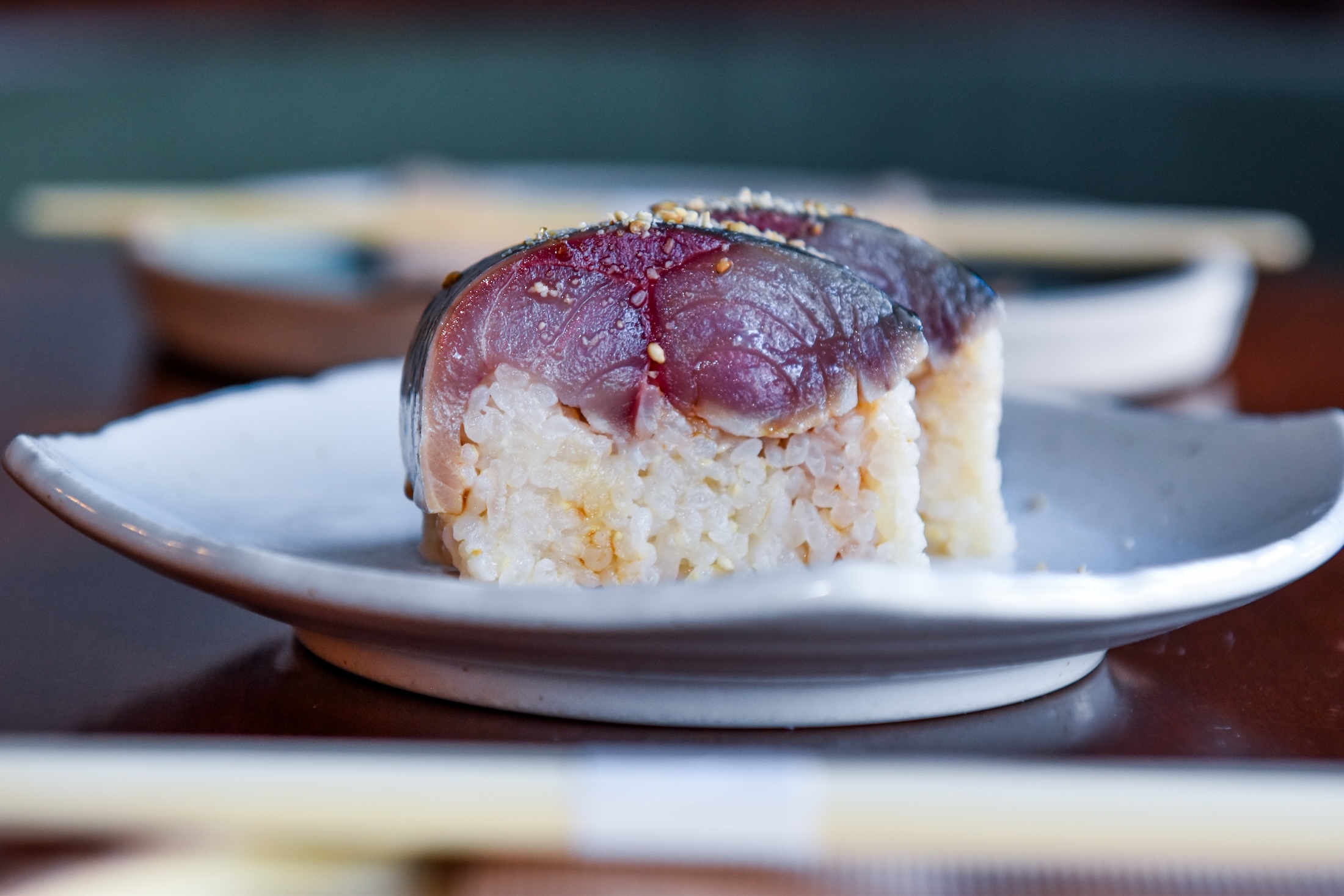
Or pristine seafood, like when a hunk of horse mackerel is showcased in its barest atop seasoned rice or dressed with house-made miso, ginger, sesame oil, citrust, and shiso.
The list goes on: house-made hakko shokuhin—from his cultivation of rice koji to miso. Small plates designed to accompany sake and conversation.
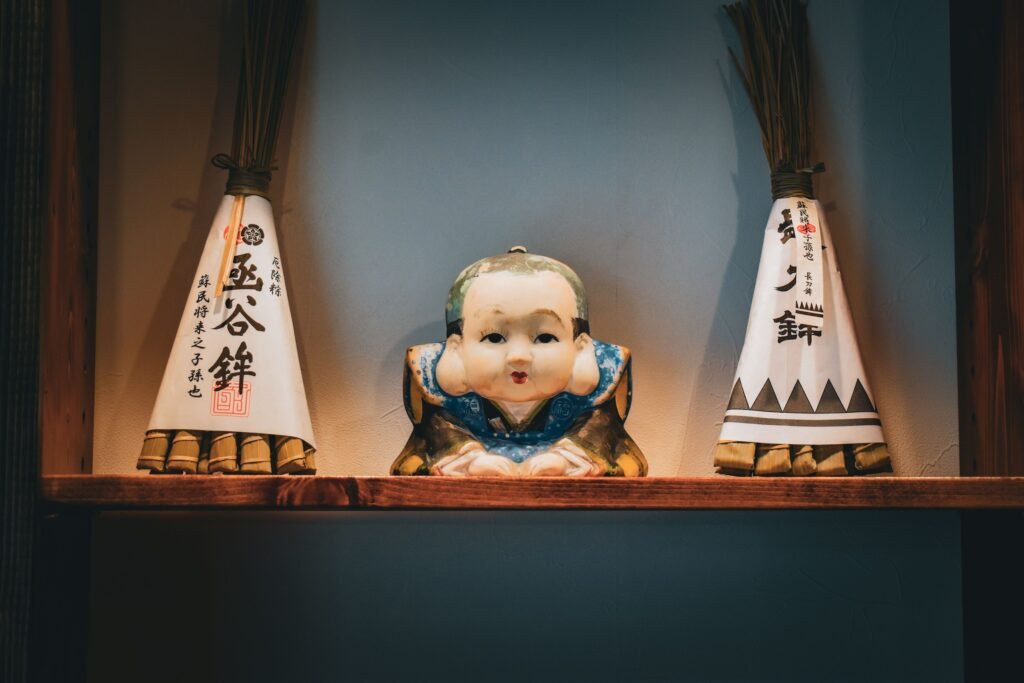
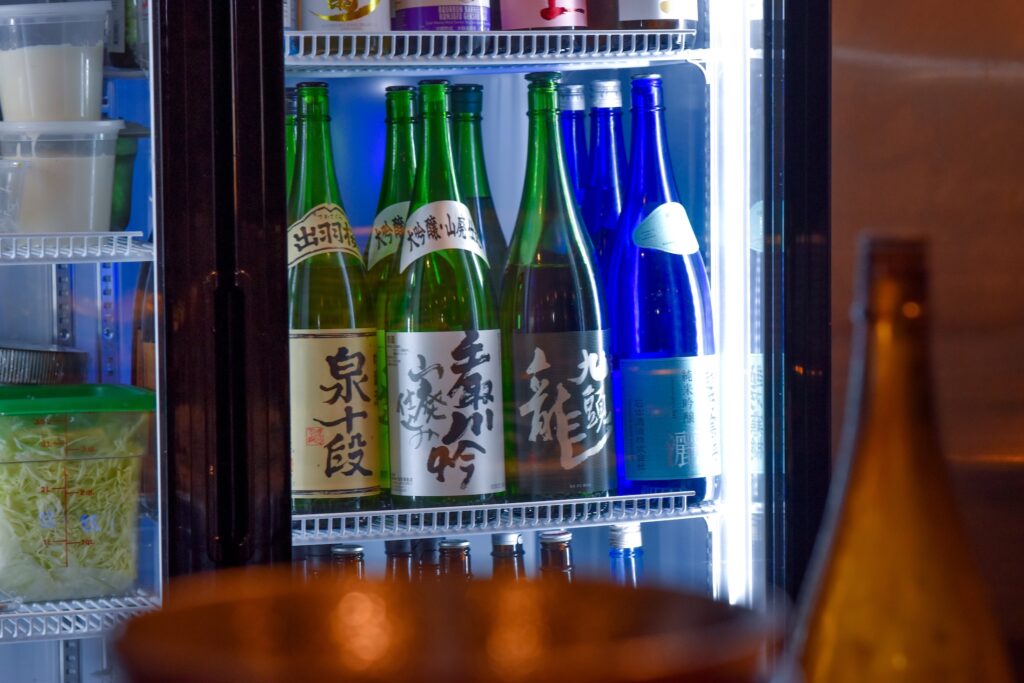
The importance of Homareya existing in Long Beach.
Chef Yoya’s commitment reflects an adherence to traditional Japanese culinary practices rare in Long Beach. That distinction matters in Long Beach.
Much of the city’s Japanese food has been lovingly interpreted by chefs from other backgrounds or by cooks who have studied Japanese cuisine extensively. And that includes everything great—Kihon immediately comes to mind, having been the place that showcased proper Japanese sushi over Americanized, decadent rolls—and everything middling or worse.
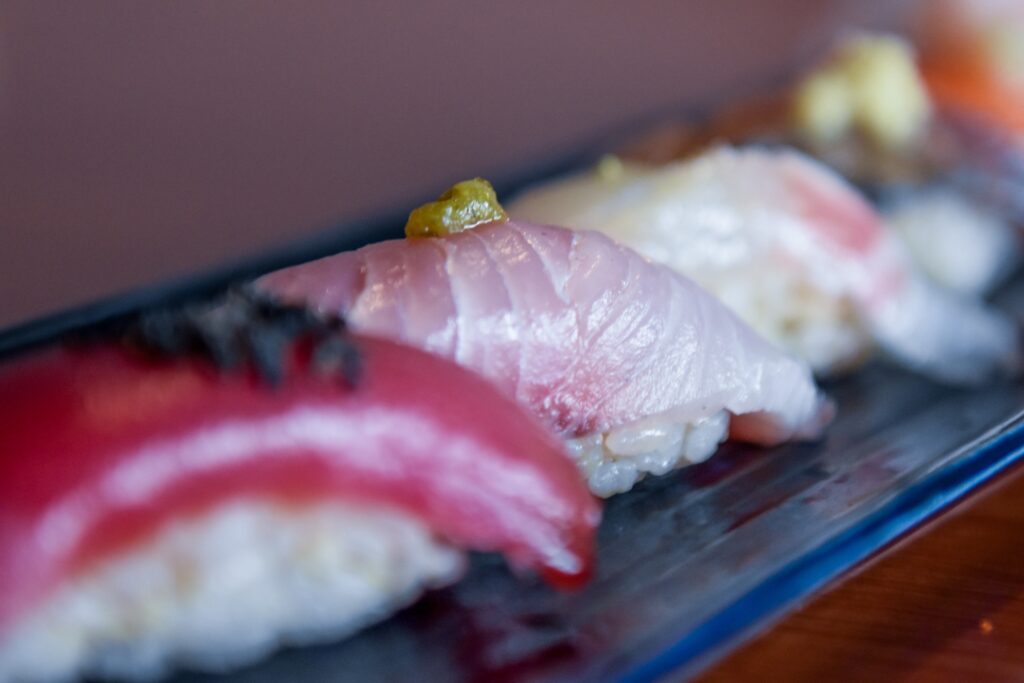
Those quality restaurants deserve their place in the local dining scene, but they represent an adaptation of Japanese cooking rather than an expression born directly from Japanese culture. It is precisely this that prompted Chef Yoya to open Homareya in the first place; not as a slam against existing spaces but as an extension of his own self.
At Homareya, Chef Yoya—who was born and raised in Kyoto before building his culinary career in Los Angeles—brings with him the instincts, techniques, and sensibilities that come from living the culture itself. His food doesn’t chase “authenticity” as a marketing term—a term in food that should just honestly be abandoned—it simply reflects the way Japanese food is understood and prepared through the eyes of someone who grew up immersed in it.
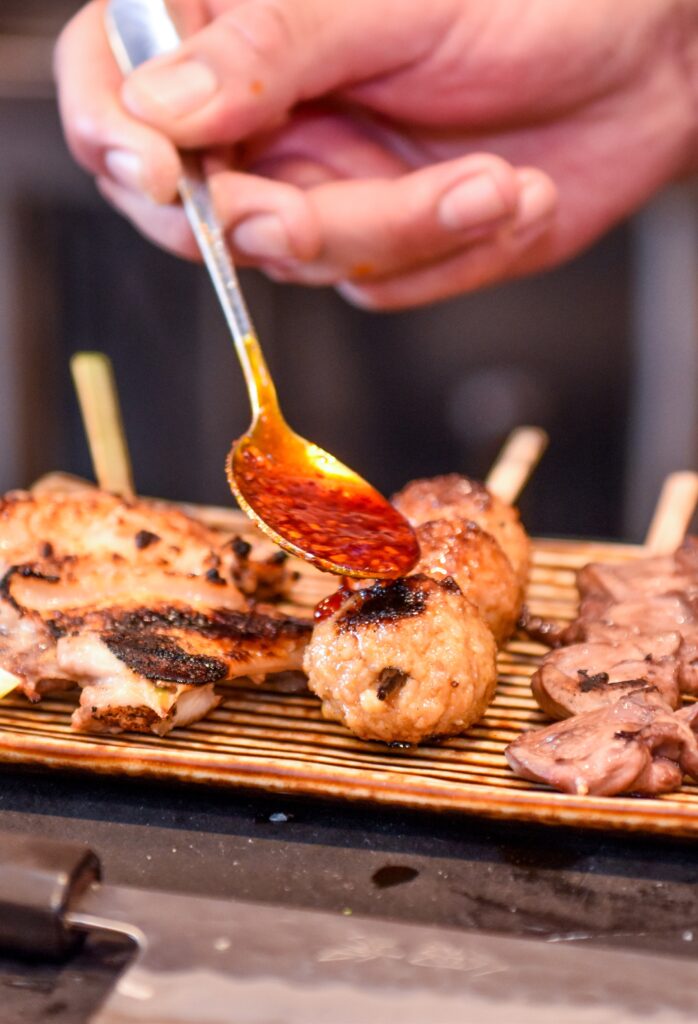
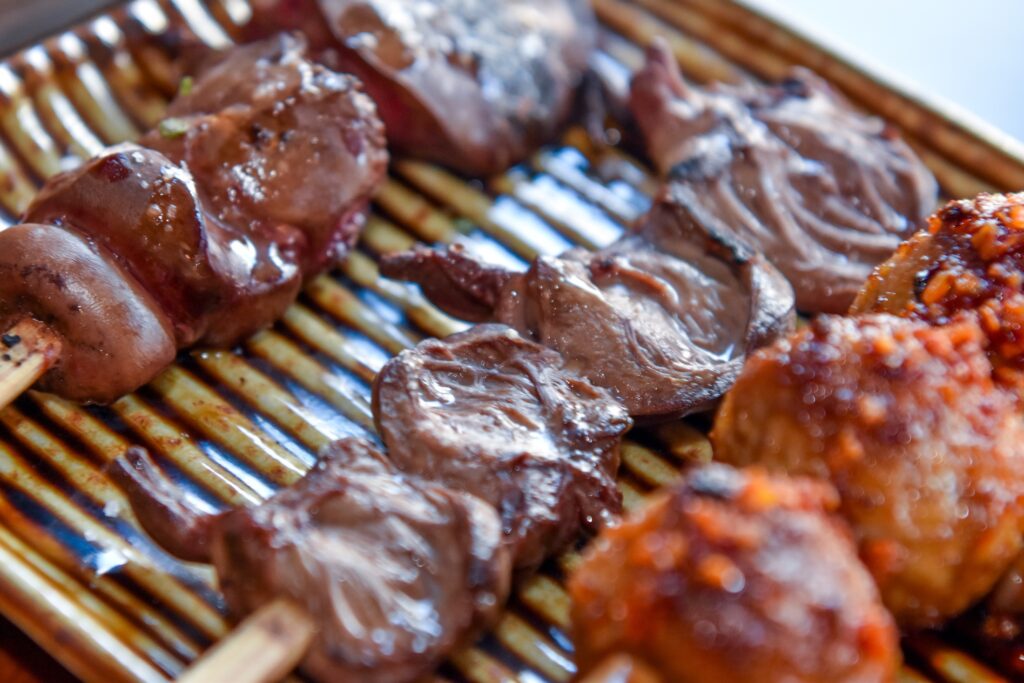
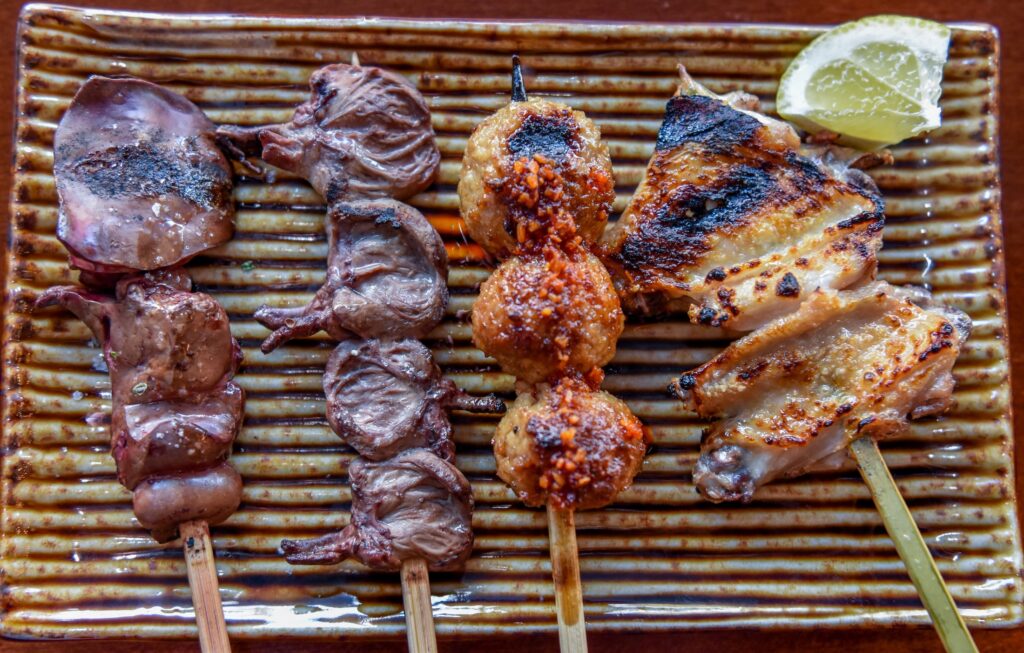
Homareya is already evolving—even as an izakaya, where menus rarely alter.
The result is one of Long Beach’s most culturally significant restaurant openings in recent memory. Homareya isn’t important because it’s “more authentic” than its peers. No. It’s important because it broadens the city’s understanding of Japanese cuisine beyond sushi rolls and familiar standards.
It offers diners a chance to experience izakaya culture as it exists in Japan: understated. Technique-driven. Deeply seasonal. And centered on hospitality.
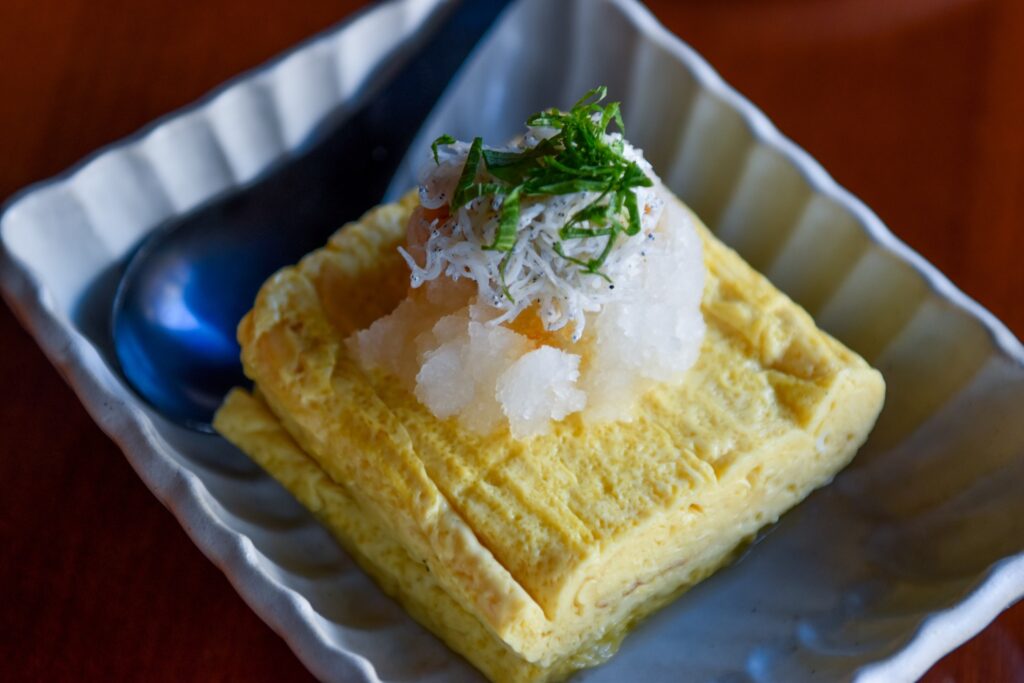
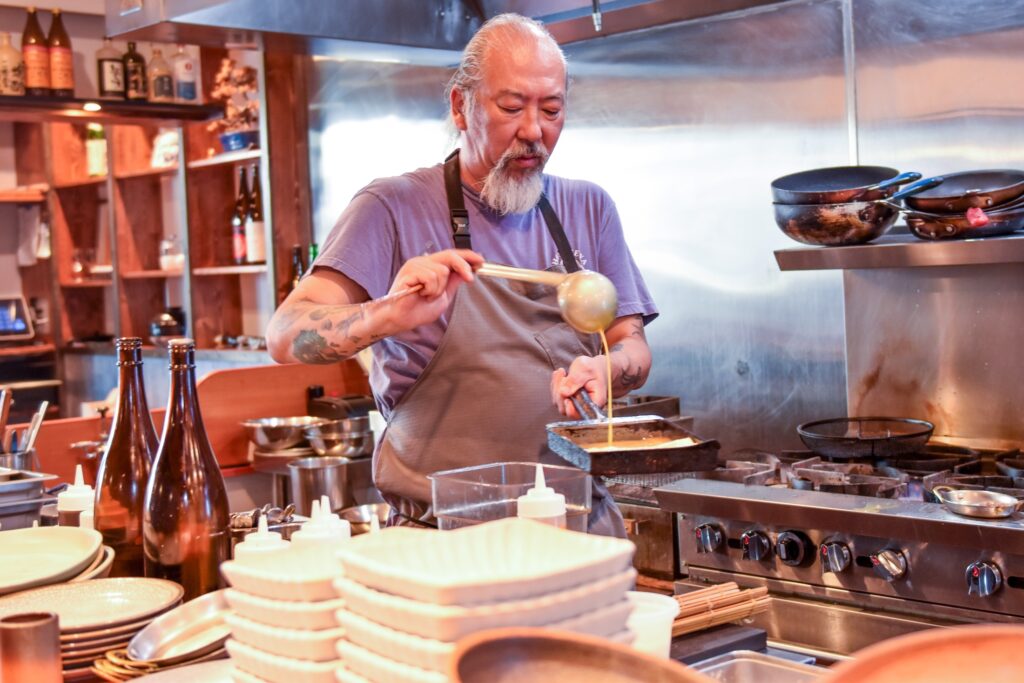
Monkfish karaage that needs little more than a drop of lemon atop it. A perfectly concocted dashi omelet—layer after layer masterfully created in the famed Japanese tamagoyaki pan—topped with baby sardines, shirashu, and daikon. Cabbage carefully charred, its bitterness sliced with the salt of anchovy and bonito-specked Caesar dressing…
And even within the confines of an izakaya—a place where menus rarely, if ever, alter outside seasonal ingredients and familiarity reigns supreme—Chef Yoya is shifting tradition with a newly minted daily specials menu that reflects his ability to flex.
A look into Homareya’s initial sets of ‘daily specials’ offerings…
Gorgeously layered. Masterfully crafted. And a dish so impressive, it will be Homareya’s official offering during Long Beach Food Scene Week. Here are some of the wonderful dishes I’ve experienced from Chef Yoya’s separate daily specials menu.
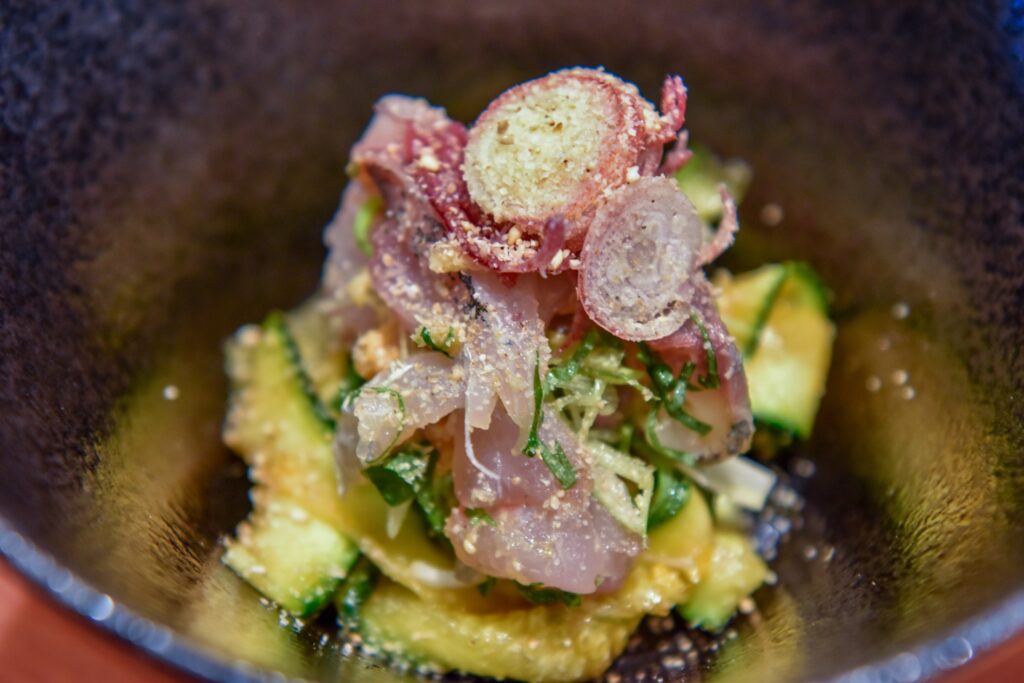
Horse Mackerel Chickpea Miso / 鯵と雛豆 味噌和え ($20): Thin-Sliced Horse Mackerel | Homemade Miso | Ginger | Sesame Oil | Lemon | Shiso
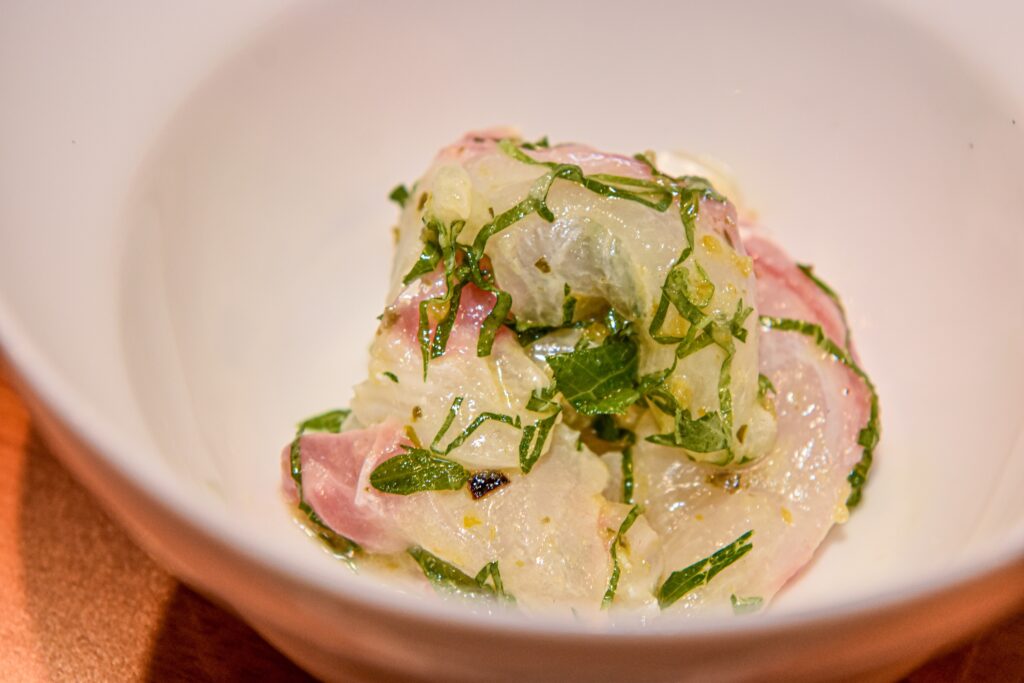
Shiso Citrus Sea Bream / 鯛の柚子胡椒塩檸檬和え ($18): Thin-Sliced Local Halibut | Yuzu Kosho | Salt | Lemon
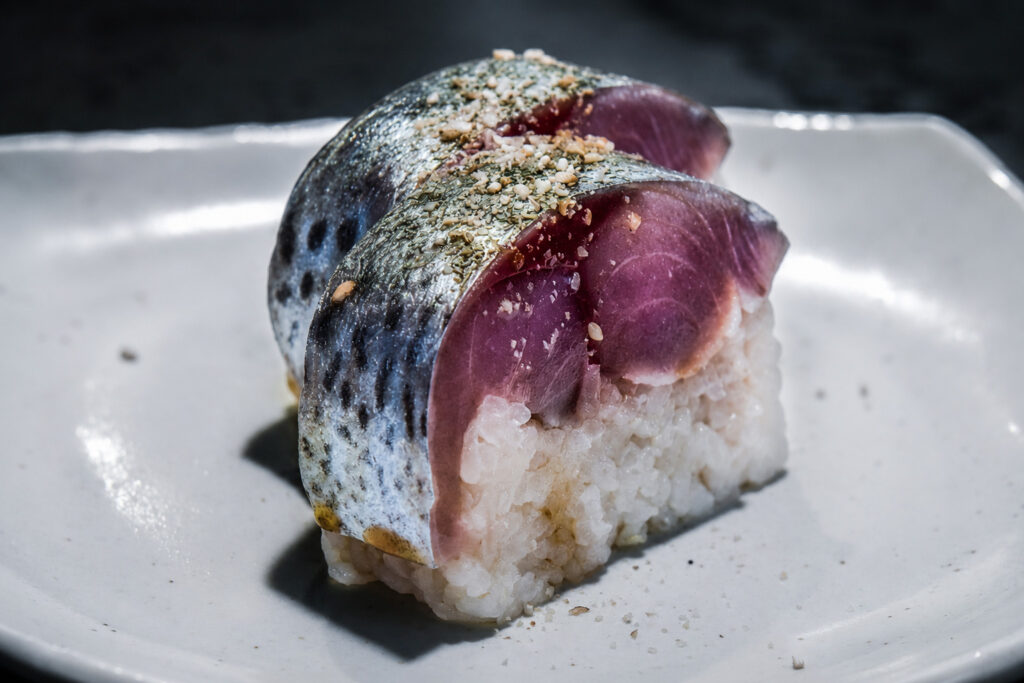
Goma Saba Bou Sushi / ゴマ鯖鮨 ($15): Cured Japanese Mackerel | Kyoto-Style Sushi
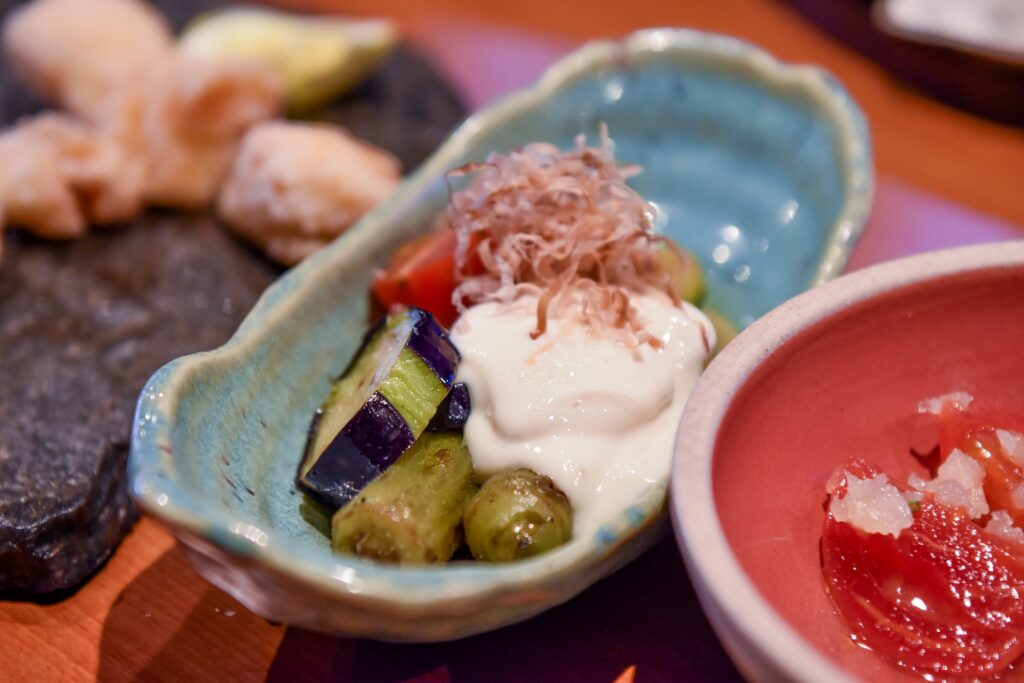
Vegetable and Cold Tofu / 夏野菜揚げ浸しと冷奴 ($13): Charcoal-Grilled Summer Vegetables | Dashi Broth | Chilled Silken Tofu
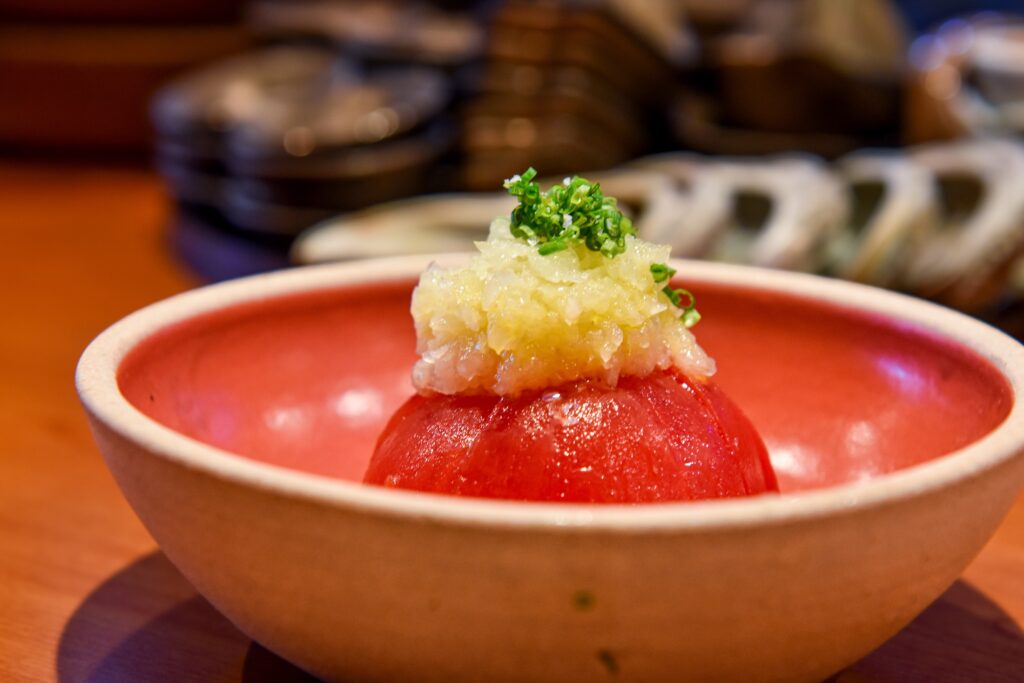
Chilled Momotaro / 桃太郎とブッラタチーズ ($15): Homegrown Tomatoes | Onion Dressing | Shiso | Olive Oil
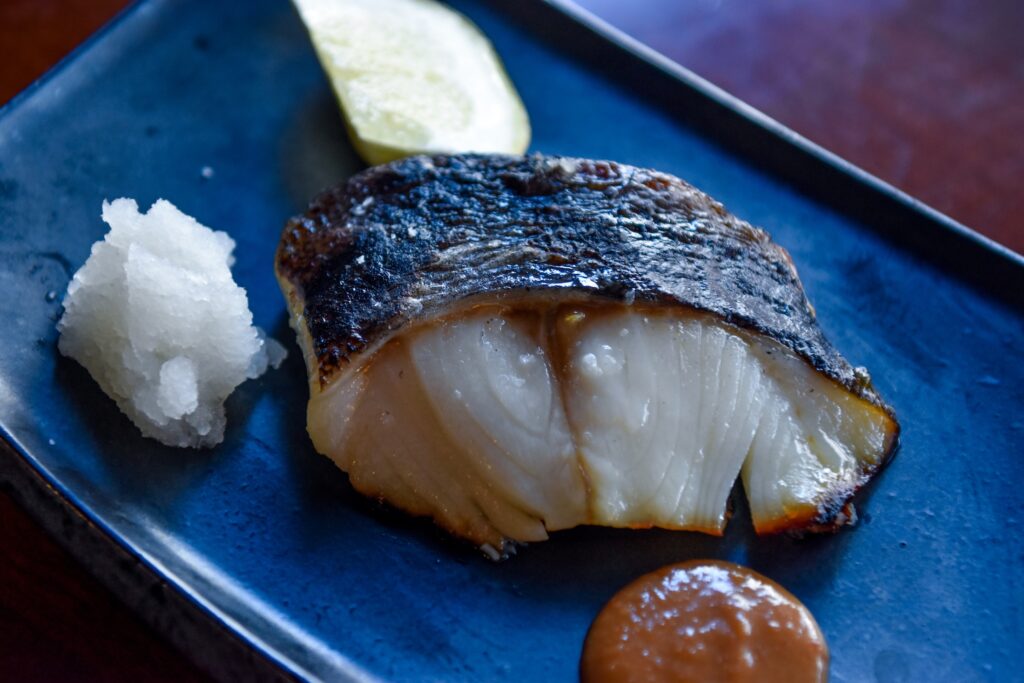
Miso Marinated Black Cod / 銀鱈味噌焼き ($18): Sweet Miso-Marinated Black Cod
And this spectacular dish from Homareya, Chef Yoya’s offering for Long Beach Food Scene Week 2026.
It was on my Favorite Things list for this month. And Chef Yoya, in his graciousness, has decided to offer it as his special at this year’s Long Beach Food Scene.
The Kyoto matcha soba at Homareya quietly captures what makes his cooking so compelling. Earthy, subtly bitter matcha is worked directly into the buckwheat noodles, served cold in a light broth. Slices of soy-roasted duck breast that are rich without becoming heavy sit on top. And, for a gentle sweetness and assertive smokiness, charred-over-coal Japanese long green onion (negi).
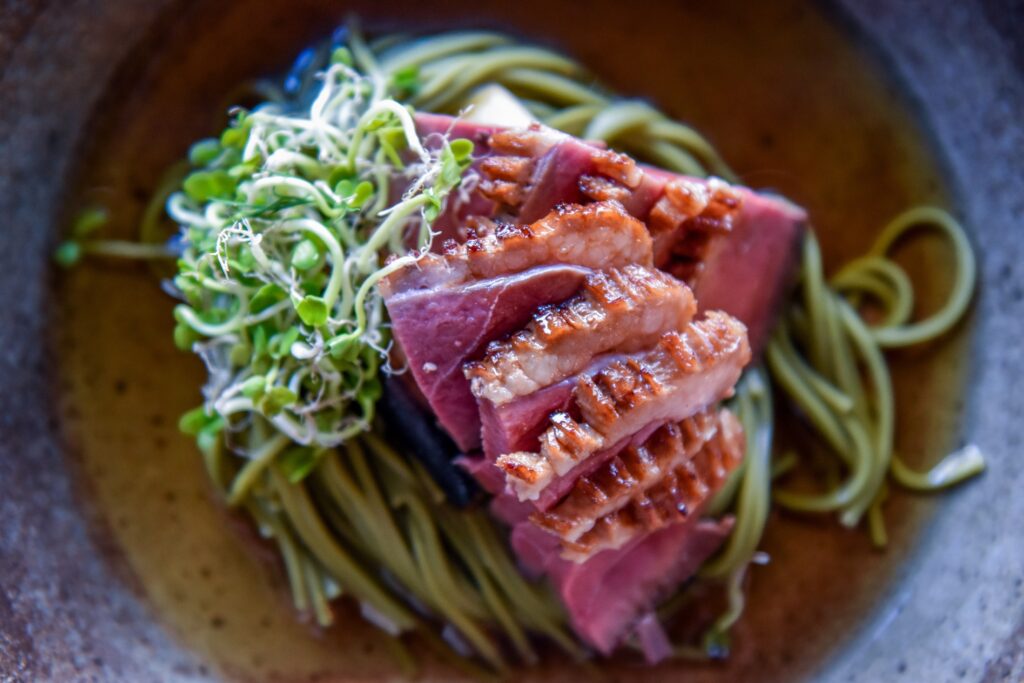
Cold Matcha Soba with Duck Breast / 鴨ロースと茶そば ($20): Kyoto Matcha Soba | Soy-Roasted Duck Breast | Roasted Tokyo Negi
Homareya is located at 145 E. 4th St.