

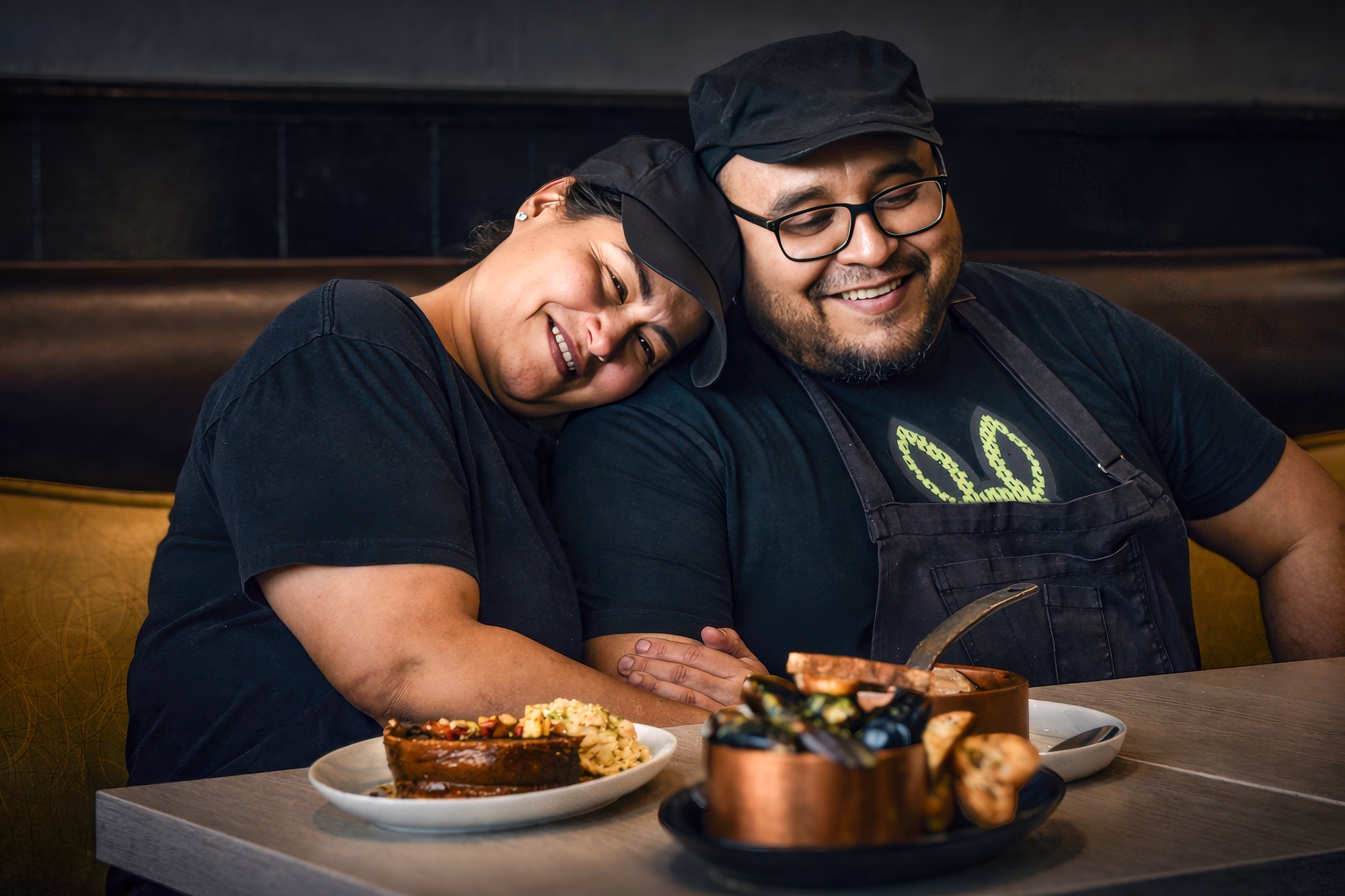
Black Pork, the little West Long Beach restaurant with an outsized culinary spirit, will close at the end of November. And this one hurts.
Owners Veronica “Vero” Lopez and Luis Mendiola shared the news in a personal message that somehow found room for gratitude, affection, and the promise of a hug while announcing the end of their dream.

“It’s difficult for us to say that we’re leaving, but, honestly, it has become very hard to continue due to various circumstances,” Vero wrote. “We will be closing our dream project at the end of this month.”
That phrase—our dream project—deserves a moment. For diners, a restaurant closing might mean losing a favorite order. For the people who built it, it means putting down something they had imagined a future inside.

Vero and Luis had built Black Pork, imagining a future worth sticking around for.
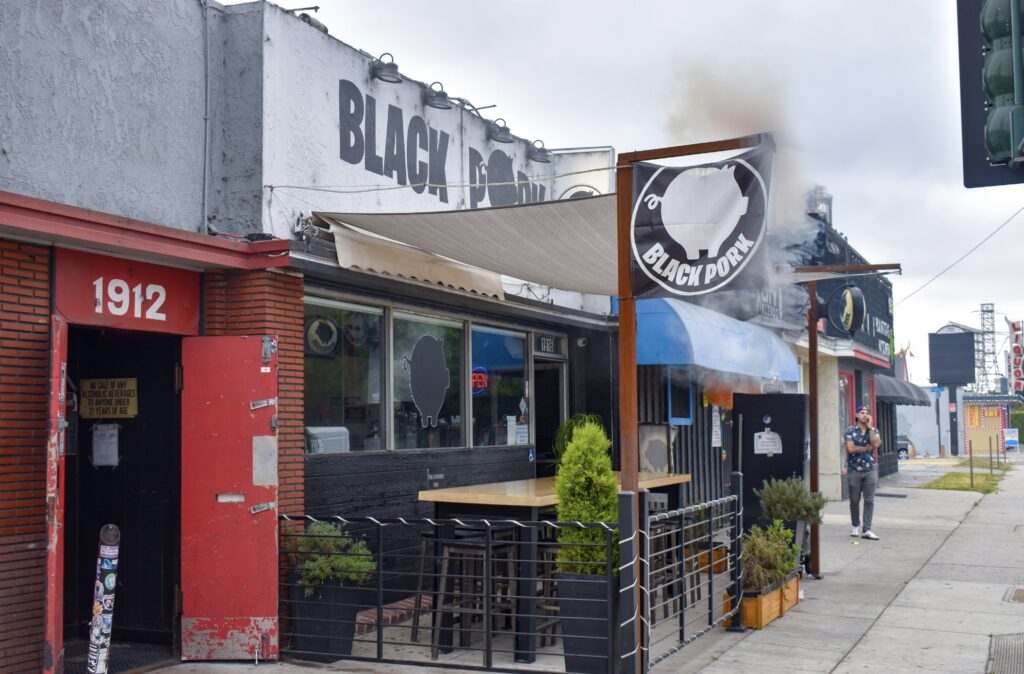
Black Pork occupied a small space between two bars on Willow Street, its smoker announcing the kitchen to the neighborhood. After years of working for other people, the husband-and-wife team had made a place of their own. They chose a community that already knew them, cleaned up the space, and poured themselves into it. And I mean poured: working seven days a week, there was not a single server or line cook hired; just Vero and Luis.

That is what I mean when I call them salt of the earth. Their hospitality had a directness, and their craft had a seriousness: The willingness to do the work. The desire to explain the food with soul. And the way they made a modest space feel cared for. Their ambition lived in what they served and how they welcomed people—a pillar distinction when it comes to the great people of Mexico when they open a business Stateside.
“You can tell when someone loves what they do,” Vero told me in my earlier writing. “We really love what we do.”
That love made Black Pork wonderfully difficult to categorize.
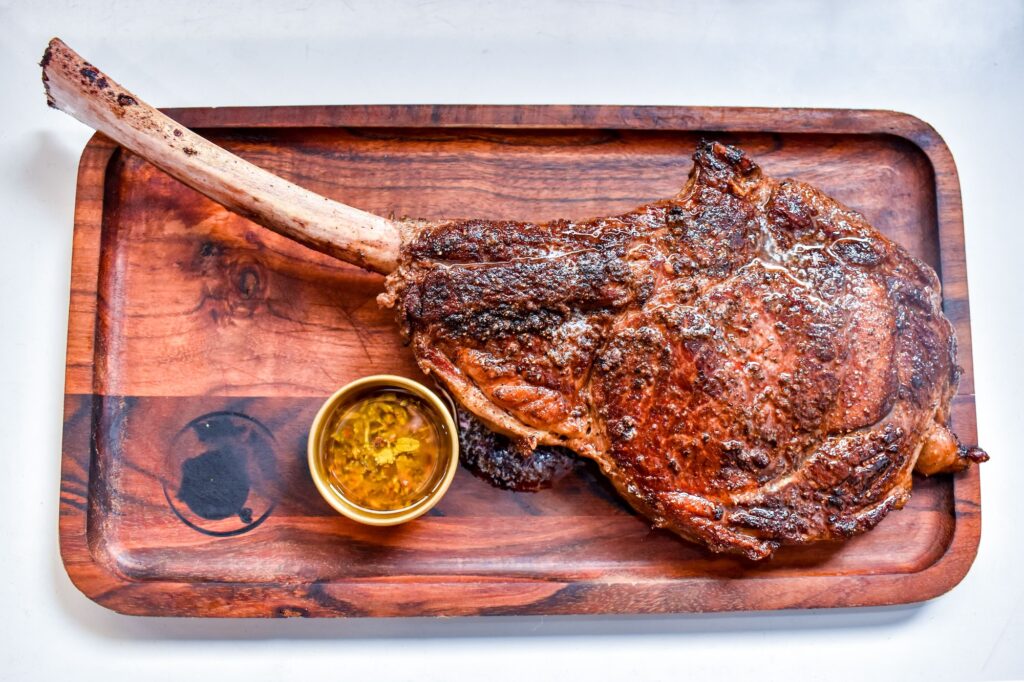
The kitchen moved comfortably among cuisines, with a curiosity that made ordering an invitation to explore. Mexican cuisine melded into Italian. Latin America was explored freely with classic American steakhouse fare. Casual—a Cuban sandwich—convivially cuddled with the elevated—a 30-day-aged tomahawk steak.
I included their empanadas among the dishes that defined Long Beach’s food scene in 2025: chorizo con papas or marinated pork tucked into a blistered, buttery fried shell, with chimichurri and salsas worth asking for. They were the kind of food that could turn a first visit into a loyal patron.

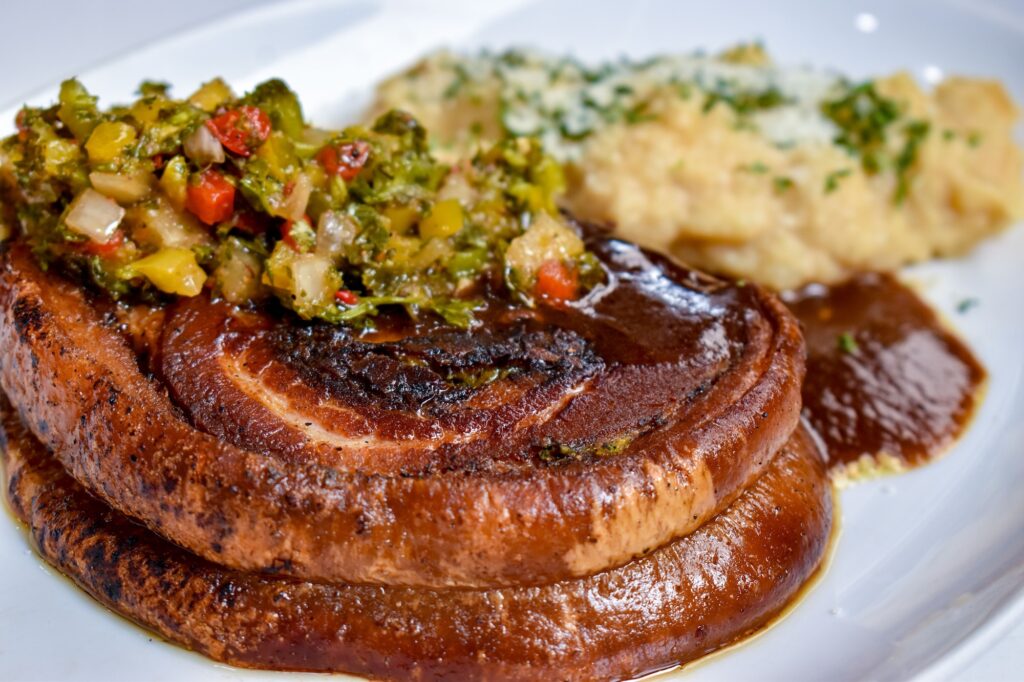
And during Long Beach Food Scene Week, Black Pork started what I had hoped would be a long-standing LBFSW tradition: a fully-realized, three course meal at an incredible price. The first year it was offered, it was $25. This year it was $31. Mussels swimming in a guajillo cream mussels. One of those famed empanadas, and a choice of braised short rib or pork belly skewers with rice or mashed potatoes.
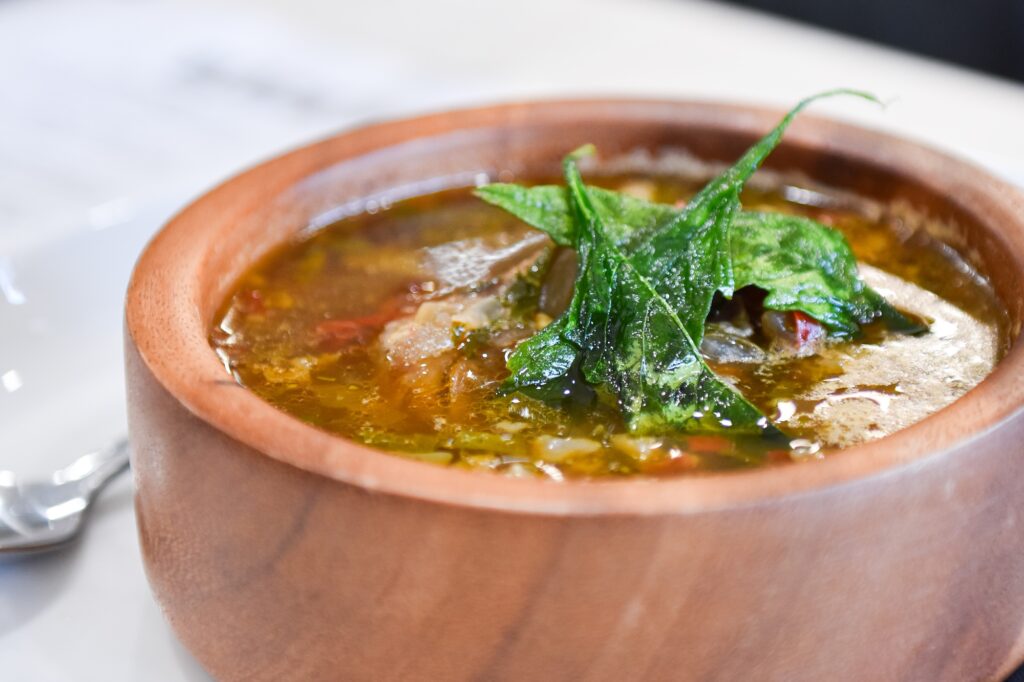
There was generosity in their connection to their food. You could come for something familiar and discover something else—it wasn’t uncommon for Vero to surprise you with a bowl of clam chowder that rivaled the best you’ve had. You could eat ambitiously without turning dinner into an overwhelmingly costly occasion.
The middle ground Black Pork occupies is important. It is also becoming painfully difficult to sustain.
The National Restaurant Association estimated in July that an average restaurant’s total expenses had risen 36% between 2019 and 2026. It also reported that 42% of operators said their restaurants were unprofitable in 2025. Food, wages, occupancy, utilities, and payment processing all place demands on the same sales dollar.
Meanwhile, diners have their own bills to pay. Bank of America Institute’s February 2026 analysis found that higher prices and slower income growth were making lower- and middle-income households more selective about eating out. Casual dining had lost share of restaurant spending for three consecutive years—even as some independent restaurants were showing strength, particularly with higher-income customers.

Those findings help explain the difficult bargain restaurants face in trying to occupy the affordable middle. Owners need prices that cover the work. Customers need a check they can absorb. A small increase can be necessary for one and consequential for the other.
The restaurant caught between those needs has little room to maneuver. Discounting asks it to earn less on food already expensive to produce. Raising prices can make a neighborhood regular reconsider the second visit that month. Working longer can bridge a gap for a while, but the owners’ bodies and time cannot be an endlessly renewable subsidy.

Black Pork gave West Long Beach a sense of possibility.
And a city should be concerned when the places that make an ordinary week better become harder to keep open—especially in communities that are largely dismissed, like West Long Beach. We need restaurants where eating well can remain part of everyday life. Places where the owners actually stay open long enough to get to know you. Places where skill and personality can flourish without requiring a luxury budget from everyone who walks through the door.
What stays with me about Vero’s farewell is how much of it she spent thanking people. She thanked the Long Beach community. Their patrons. Their neighbors. She thanked my husband and I, a personal nod that felt incredibly heavy when reading…
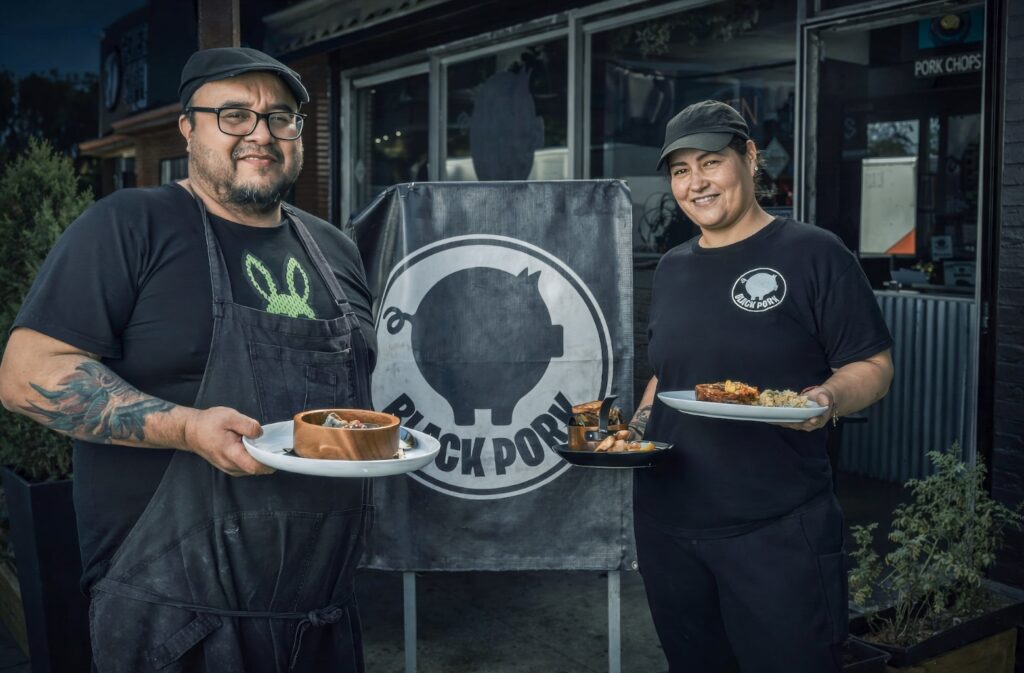
“It truly pains us, but sometimes it’s necessary to take a step back in order to move forward,” she wrote. “Please come in so I can give you a real hug instead of a digital one.”
There is no announced return date or next project. There is simply a couple making a difficult decision. And a community with a little time left to show them what their work meant.
If Black Pork has been on your list, go before November ends. If you already love it, make another visit. Order the empanadas. Don’t skip on the mussels or tacos or sandwiches or, well, really anything; there is nothing middling that comes out of that kitchen. Thank Vero and Luis. And give them that hug.
Black Pork is at 1916 W. Willow St. in West Long Beach. Its owners say it will close at the end of November; an exact final service date has not been announced.