
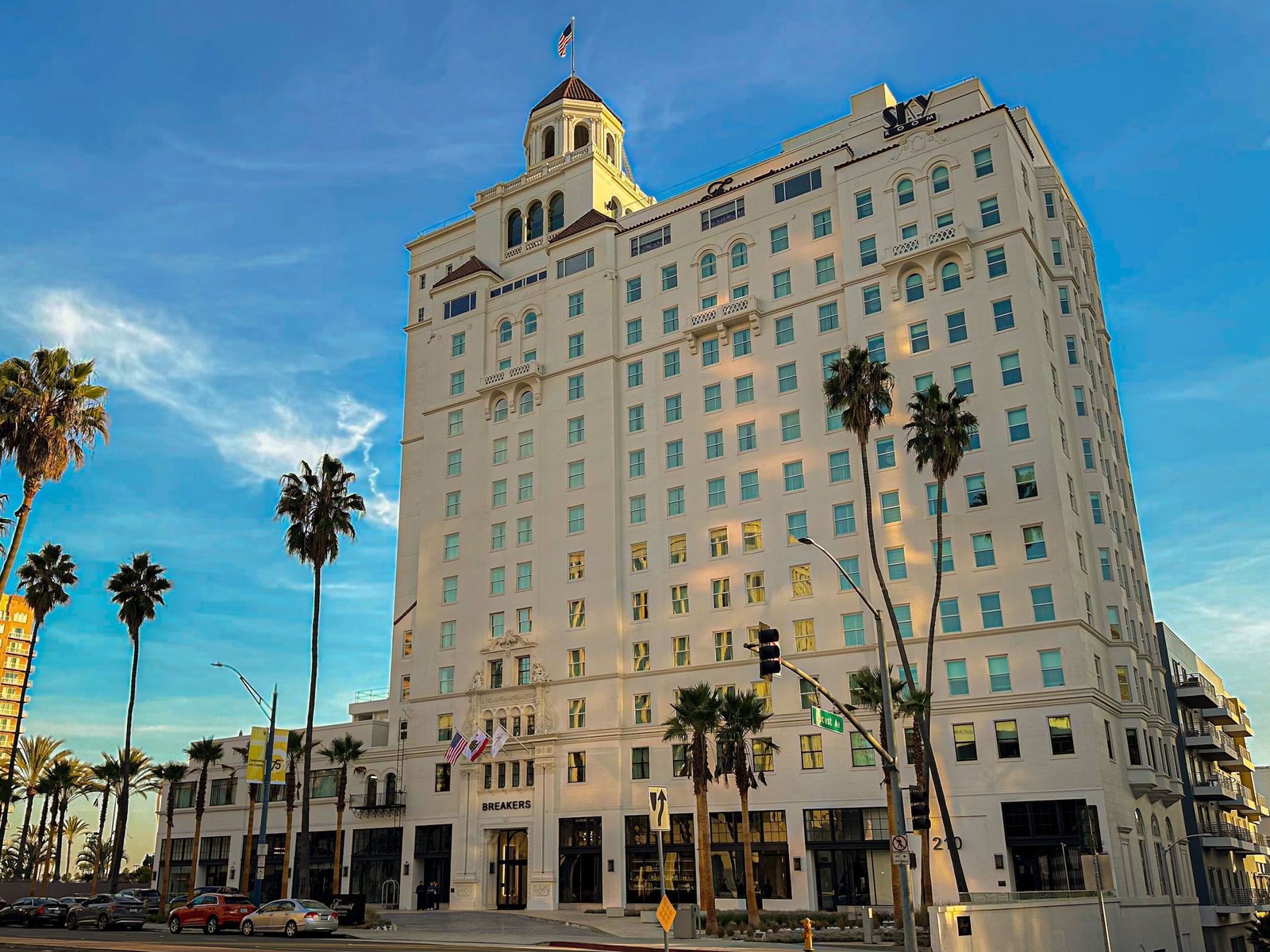
Less than two years after reopening, Fairmont Breakers Long Beach has received one of the hospitality industry’s most coveted distinctions: a Michelin Key.
The Downtown Long Beach hotel was awarded one Michelin Key—described by the guide as “a very special stay”—as part of Michelin’s 2026 hotel selection. It is the first Long Beach property to receive the honor, placing the Breakers alongside acclaimed SoCal hotels such as the Regent Santa Monica Beach, the Downtown LA Proper, and Shutters on the Beach. Michelin awards hotels one, two, or three keys, exactly as it does with its restaurant stars.
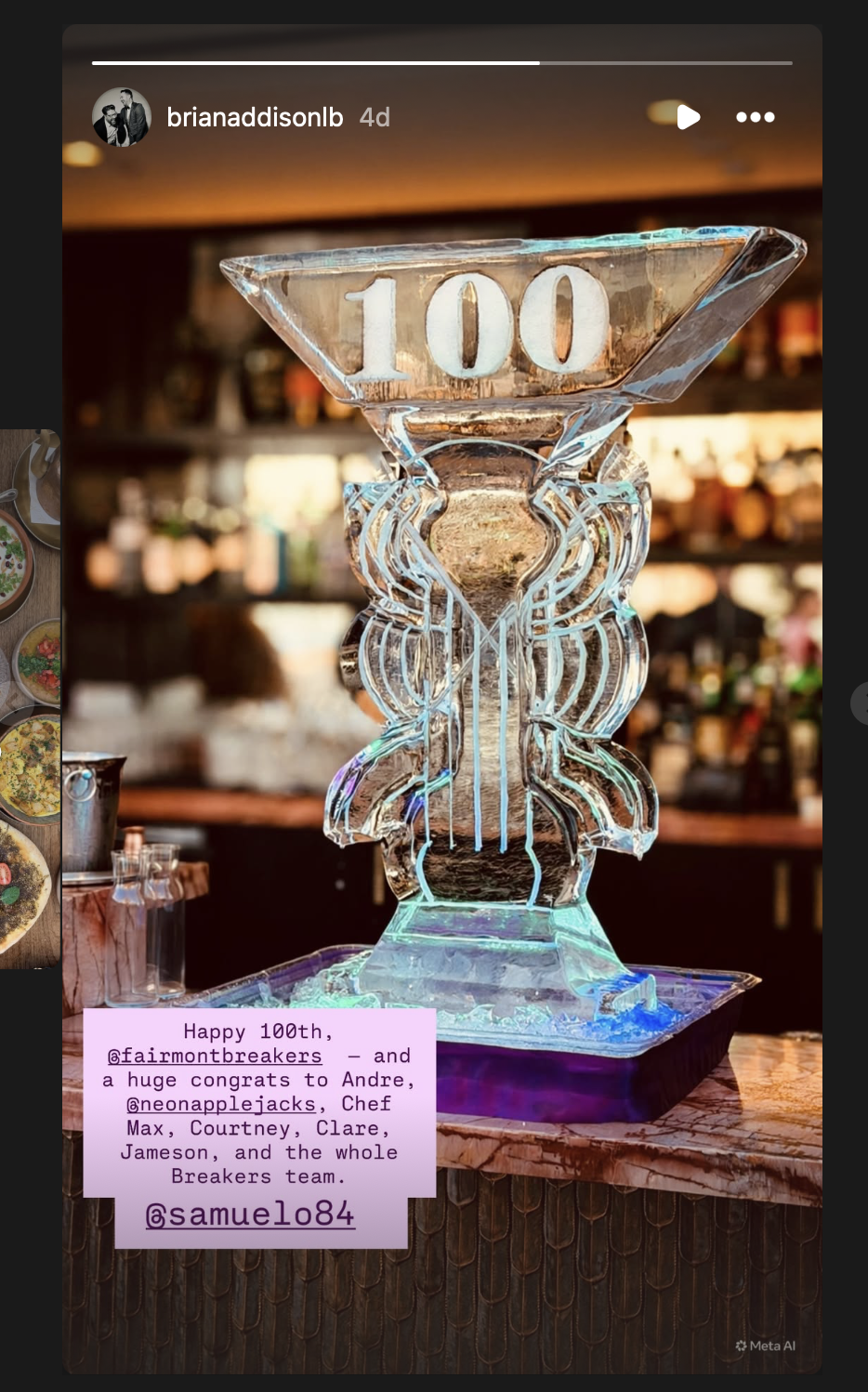
“Celebrating 100 years of this landmark is an incredibly meaningful moment for our team and for Long Beach,” said general manager André Brose. “This building has grown alongside the city for generations, and it’s special to see it once again become a place where the community can gather, celebrate, and create memories. Long Beach has such a strong sense of identity and pride, and we’re honored to help preserve an important piece of its history while carrying it into the future. I’m incredibly proud of our colleagues who bring that vision to life every day and who are now part of the building’s next chapter.”

Why the Michelin Key is such a distinction for Long Beach hospitality.
The recognition is particularly significant for a city that, despite its waterfront, convention center, and proximity to Los Angeles and Orange County, has historically lacked a truly destination-level luxury hotel and spa. Since opening in November 2024, Fairmont Breakers has helped change that perception—not simply by adding high-end rooms, but by creating a collection of restaurants, bars, wellness spaces, and public gathering places intended to draw locals as much as overnight guests.
And, if we are really being frank, its arrival broadened what hospitality could look like in Long Beach.
“I first walked through this building in a hard hat and watched it come back to life piece by piece, so to see it earn a Michelin Key in its 100th year is incredibly special,” said. Angie Sue, Director of Marketing, PR & Digital. “I’ve spent the last few years learning its history, telling its stories, and finding meaningful ways to share not only what makes this property special, but what makes Long Beach special. This city deserves to be seen as a destination for incredible hospitality, dining, and experiences, and I love that this recognition shines an even brighter light on that.”
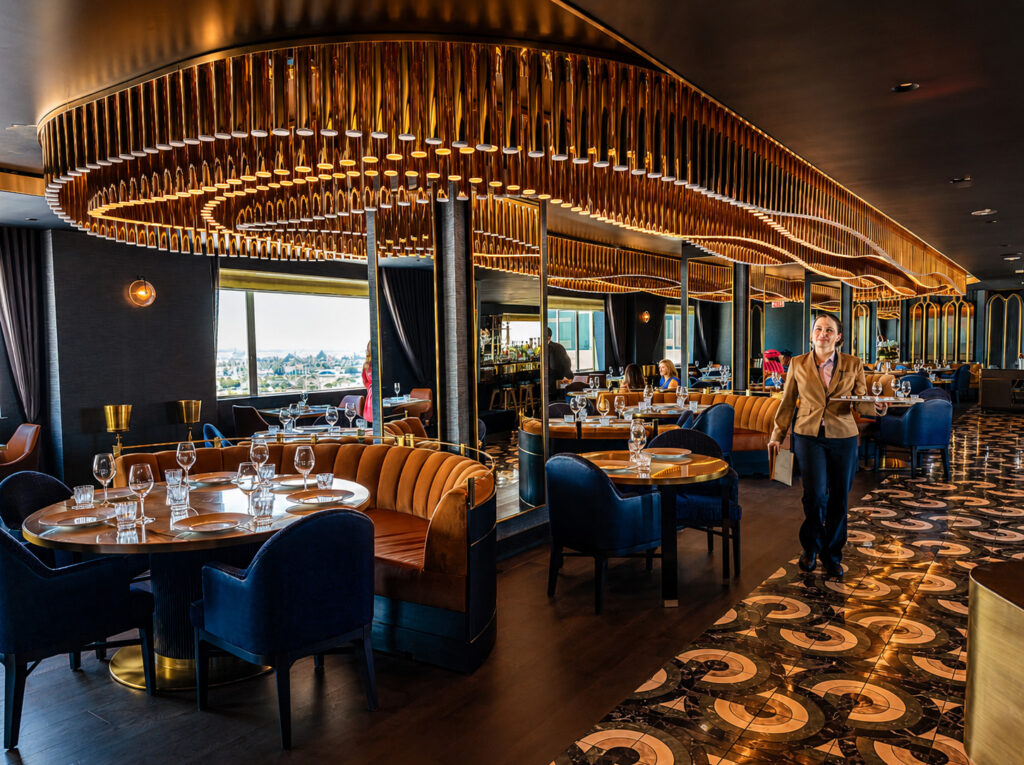
Sky Room returned as a special-occasion restaurant without treating nostalgia as its sole selling point. Halo brought a polished rooftop bar to the city’s skyline. La Sala became an all-day lobby gathering space, while Nettuno, Alter Ego, the pool deck, and the hotel’s spa created reasons to enter the property without ever booking a room. Together, those spaces have made the Breakers operate less like an isolated hotel and more like a compact hospitality collective inside a historic building.
That influence is already visible beyond the property. Long Beach has long possessed independent restaurants, cocktail bars and hotels capable of competing regionally, but the Breakers introduced a different scale of luxury service—one that combines lodging, wellness, nightlife, dining and events under an internationally recognized brand. It raised expectations for what visitors might find here while giving local diners an experience they once may have traveled to Los Angeles, Beverly Hills or Orange County to find.
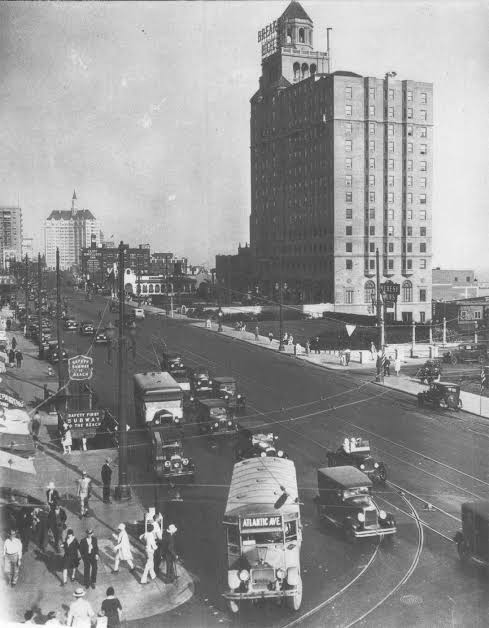
Fairmont Breakers’ achievement is also inseparable from the building itself.
Originally opened in 1926—it just celebrated its centennial with a private rooftop party—the Spanish Renaissance Revival tower was designed by prominent Los Angeles architects Albert Walker and Percy Eisen. In its earliest years, the Breakers included elaborate dining rooms, a Turkish bath, and an elevator that carried guests in bathing suits directly to the beach. (This was obviously before the Convention Center and Port complex were built.) Conrad Hilton acquired the property in 1938, making it his eighth hotel, and transformed its upper floor into the Sky Room, establishing one of the city’s most enduring dining institutions.
The building subsequently endured decades of changing ownership and uses, including a period as an assisted-living facility. Long Beach-based investment and development firm Pacific6 acquired it in 2017 and undertook a five-year rehabilitation valued at roughly $150 million to $160 million. The restored hotel officially reopened on Nov. 19, 2024, with 185 rooms and suites, a two-story wellness facility, and more than 11,000 square feet of meeting and event space.
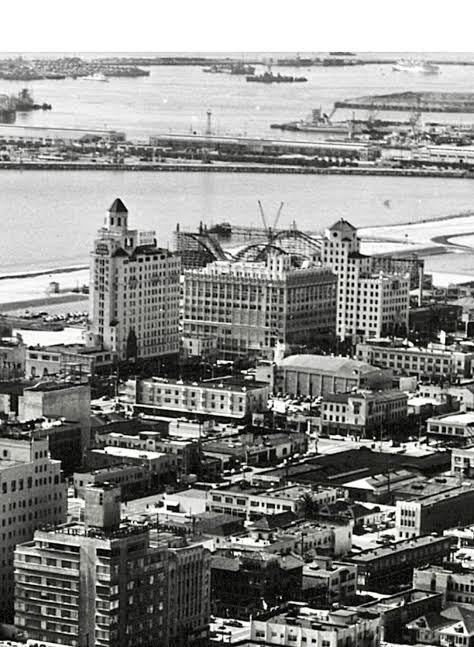
The design team faced a complicated task: restoring what remained while reinterpreting details that had disappeared during the building’s many lives. RVD Associates, HBA, Nadel Architects, GMA and restoration specialist Spectra Company were among the firms involved.
Rather than reproducing the 1926 style room by room, the renovation—much in the style of Fairmont, which only works with historic buildings—uses the hotel’s past as a foundation for a contemporary space. Historic plasterwork and wood paneling share space with saturated colors, coastal references, and modern furnishings. The rehabilitation earned a 2025 Preservation Award from the Los Angeles Conservancy, and the property’s public spaces received additional recognition from the hospitality-design industry.
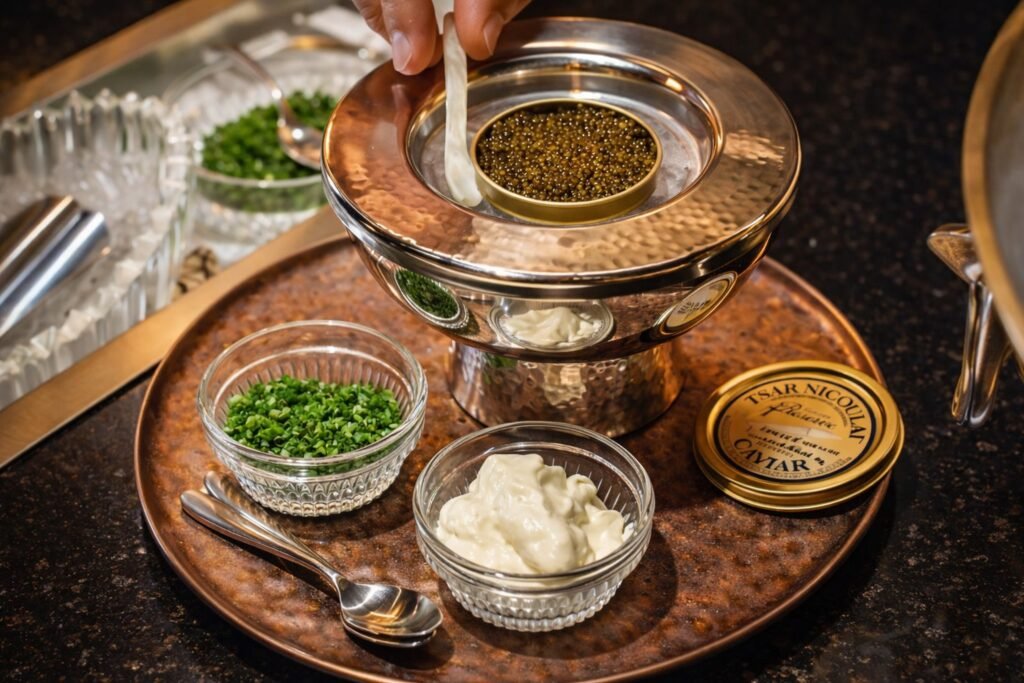
The Michelin Key hints toward what could be a focus on its cuisine…
The Michelin Key now validates the hotel side of that effort. The next question is whether Michelin’s restaurant inspectors might eventually do the same for Sky Room.
The restaurant is not currently listed as Michelin-recommended, and earning a Star is far from automatic. Michelin evaluates restaurants independently of hotels. And luxury, views, and polished service do not substitute for consistency on the plate. But Sky Room has many of the elements necessary to enter that conversation: An ambitious kitchen led by Long Beach Grand Prix Fixe finalist and all-around stellar human, Chef Maxwell Pfeiffer, stellar service, an incredible afternoon tea program, strong sourcing, a growing wine menu, and a revolving, seasonal food menu that balances the restaurant’s history with contemporary technique.
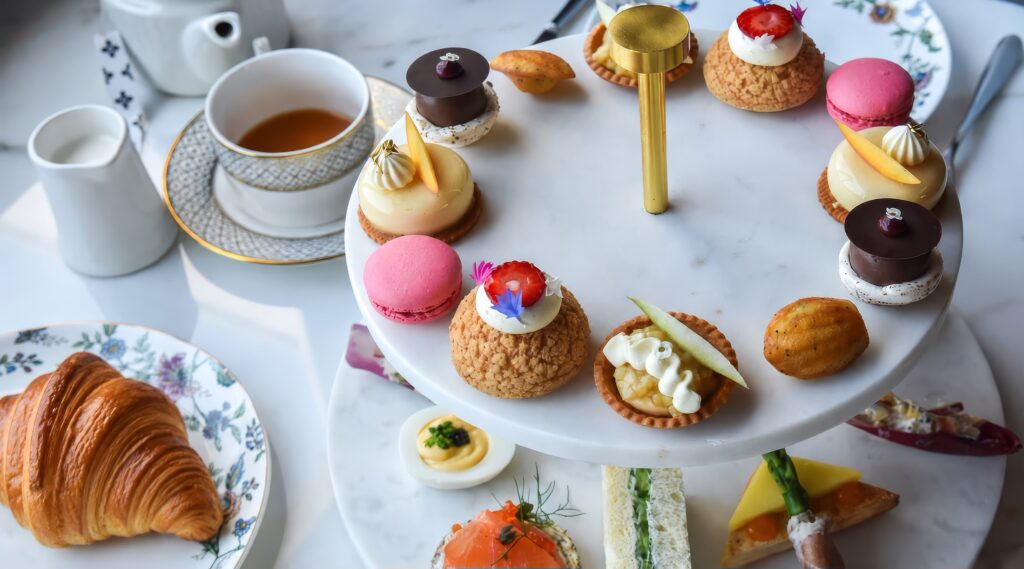
Should it eventually receive a star, Sky Room would join Heritage, the intimate Rose Park restaurant from chef Philip Pretty and Lauren Pretty, which remains Long Beach’s sole Michelin-starred restaurant.
The two restaurants represent very different expressions of fine dining. Heritage is small, independent, and rooted in a converted Craftsman home; Sky Room is grand, historic, and perched atop an internationally branded hotel. Having both recognized would not diminish either. It would demonstrate the breadth of Long Beach’s dining culture—and mark a maturation of a hospitality scene that has too often been treated as secondary to Los Angeles.
For now, the Michelin Key belongs to the hotel. But it also recognizes something larger: Fairmont Breakers has successfully returned one of Long Beach’s most important buildings to public life and, in doing so, given the city a new standard against which luxury hospitality will be measured.