

After years of advocacy, policy discussions, feasibility studies, and city approvals, Long Beach residents can now officially apply to operate Micro-Enterprise Home Kitchen Operations—better known as MEHKOs—opening a new pathway for aspiring food entrepreneurs to legally sell meals prepared from their home kitchens.
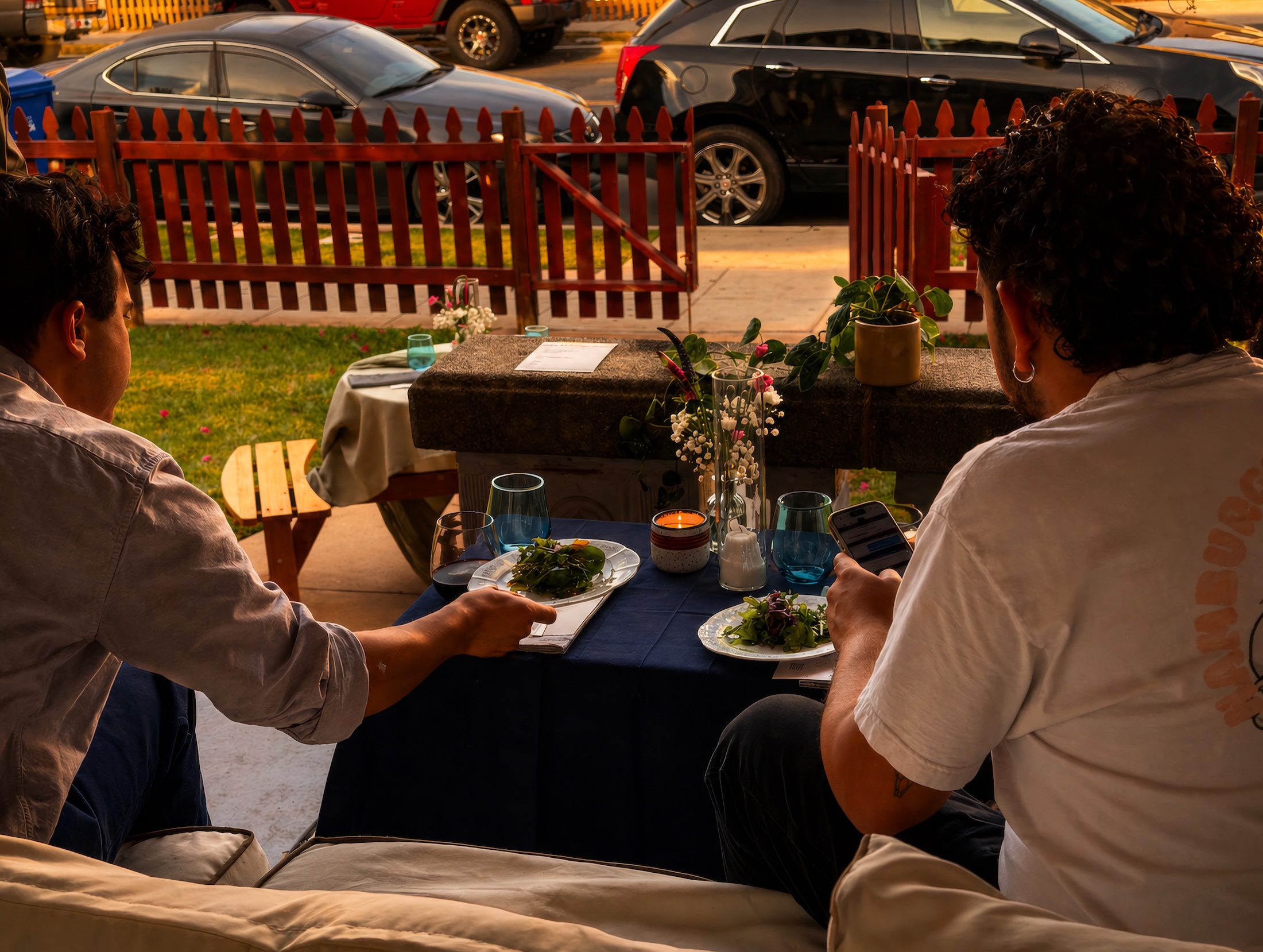
At its core, a MEHKO allows residents to legally prepare and sell meals from their homes on a limited scale. Unlike cottage food operations, which are generally restricted to certain shelf-stable products, MEHKOs permit the preparation of full meals. While it was a pop-up, Steak Freaks is a great example of what a Long Beach MEHKO could look like.
For Tony Damico, Project Co-Director of LB Fresh, the launch marks the culmination of nearly a decade of work.
“For me, it started in 2018 when the MEHKO policy passed at the state level,” Tony said. “We have focused a lot on micro-enterprise development since we founded our organization about 12 years ago because we really want to see locally based businesses that can last while also looking at the connection to environmental sustainability, boosting community health, and filling cultural gaps.”
The City of Long Beach officially began accepting applications this month, with city officials and community partners hosting workshops to help prospective operators navigate the process. A community seminar focused on the application process will take place Thursday, June 4, from 1PM to 5PM at the McBride Park Teen Center. No registration is required and language interpretation will be offered for those that do not speak English.
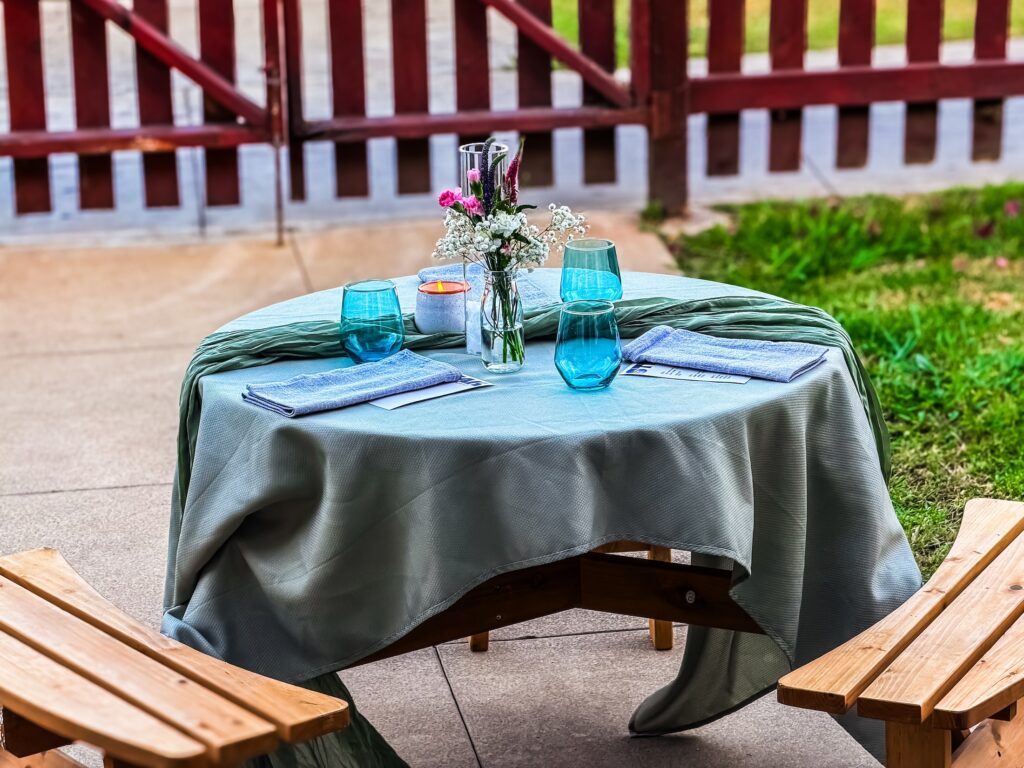
MEHKOs are pathways for success—especially for women, immigrants, and communities of color in Long Beach.
For Tony, the launch represents more than a new permitting process—it is the realization of a long-term vision to create new economic opportunities within Long Beach’s neighborhoods. After all, he emphasized that the program is intentionally designed to remain small and neighborhood-focused.
“We definitely need this pathway,” he said. “It needs to be done in a way that weaves smoothly into neighborhoods and brings about neighborhood cohesion rather than division. It’s intended to be very small scale so that it can weave into the tapestry of the neighborhood and reduce some of the risks and challenges that you would automatically think of with a home-based, full restaurant-style service business.”
The data points toward who it will help most—and that particularly includes women and communities of color. According to COOK Alliance, the nonprofit that has largely been leading the MEHKO discussion statewide, 79% of operators are people of color and 70% are women. Even more, 73% of surveyed operators reported their business provides significant financial support to their household, while 61% reported profitability. And nearly one-third had already begun growing toward larger food businesses.
“I think a lot of immigrant communities and low-income communities start food businesses to survive,” Tony said. “It’s far more of an important means of their success.”
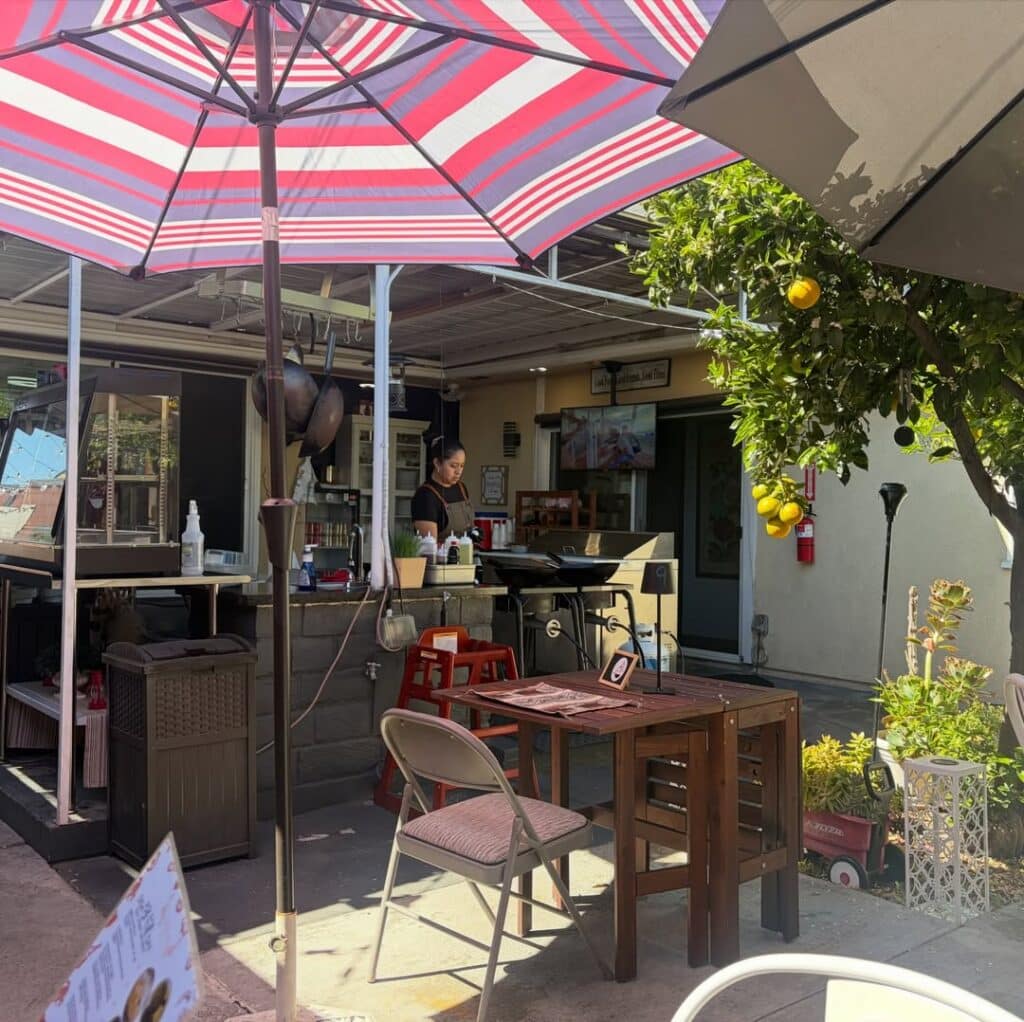
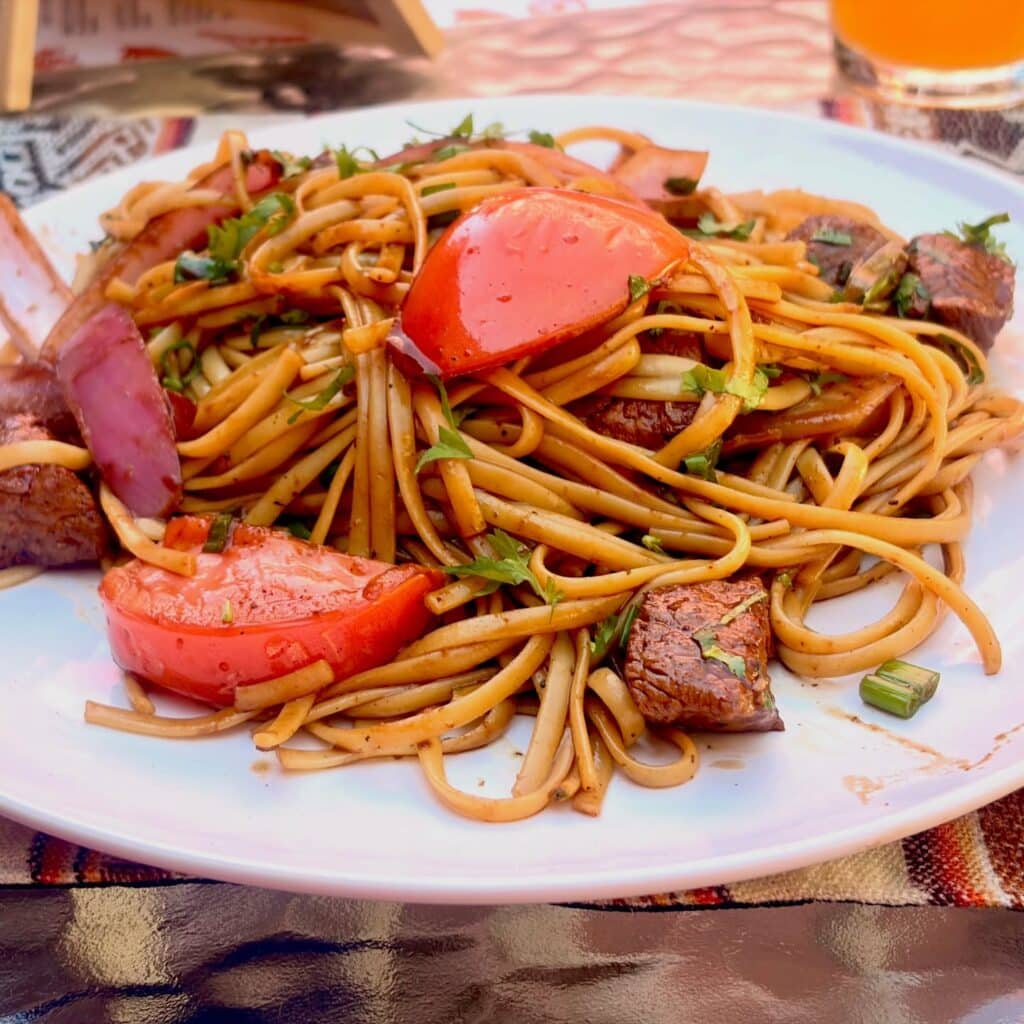
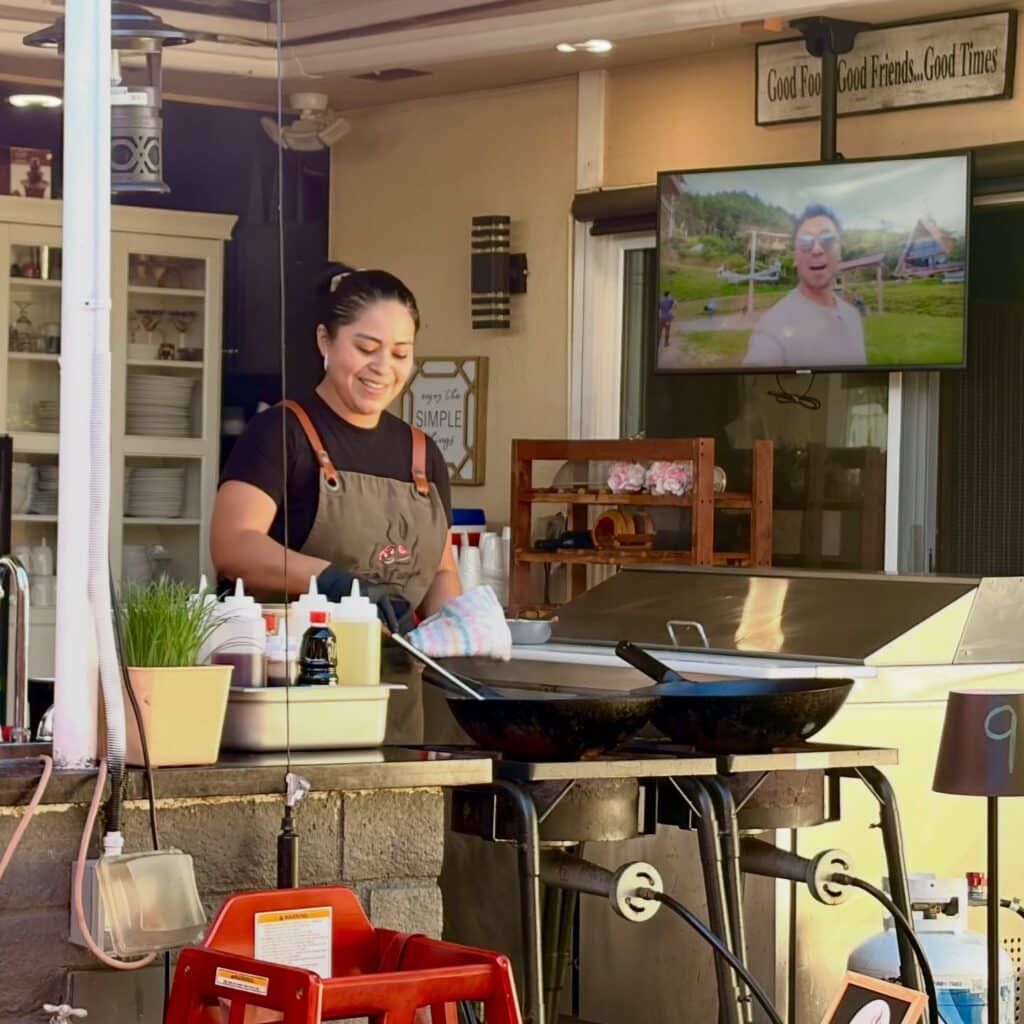
Yes, the Long Beach MEHKO program comes with regulations, limitations, and, for some, outright barriers.
State regulations cap operators at 30 meals per day and 90 meals per week, while annual gross revenue is currently limited to roughly $110,000, a figure adjusted periodically for inflation. Operators cannot advertise from their homes. They cannot allow large customer queues. And, generally, cannot engage in certain cooking methods such as large-scale barbecue or smoking operations. Long Beach has also prohibited alcohol sales through MEHKOs.
Despite those restrictions, advocates see the program as a critical entry point for entrepreneurs who may not have the resources to open a traditional restaurant. Applicants must complete food safety certification. Develop written operating procedures. Maintain detailed food safety records. And pass an initial inspection before opening, with annual inspections also required.
“The barriers to getting started in a food business are extremely risky,” Tony said. “In a lot of ways, MEHKOs are under as much, if not more, scrutiny than restaurants in terms of food safety,” Tony said. Environmental health agencies identified only two foodborne illness complaints across the 898 MEHKOs that received permits between 2019 and 2024.
One challenge remains the cost. According to Tony, startup expenses—including permit reviews, inspections, and business licensing fees—can total roughly $1,400 before an operator serves their first customer. (Full cost and actual steps to be taken are broken down in specifics further on in this article.)
“For a lot of folks, that’s still a significant barrier,” he said. “These are the communities we’re trying to help sustain themselves better financially.”
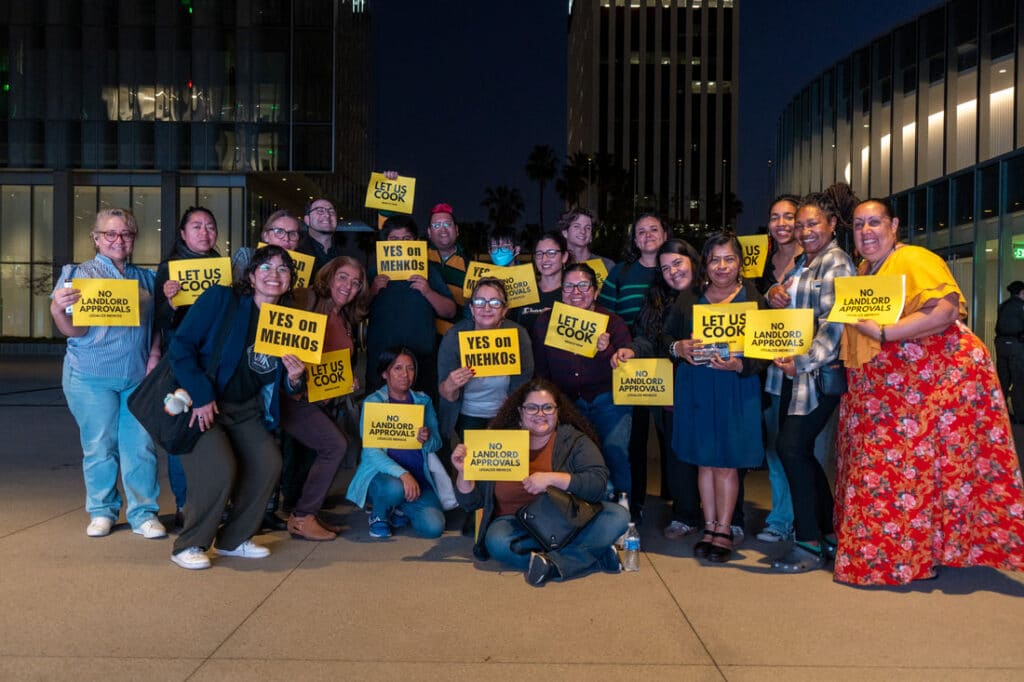
The road to implementing the Long Beach MEHKO code was far from simple.
“I think one of the biggest uphill battles is just being able to consistently keep asking for it,” Tony said. “We’ve seen a lot of changes in leadership since I started working on this—and with it, have had to consistently reiterate our objective. And that is providing a pathway for success for our residents who depend on these types of enterprises.”
The effort survived leadership changes, the COVID-19 pandemic, and years of deliberation before ultimately gaining traction. Tony credits the Long Beach Health Department’s extensive feasibility study and preparation efforts for helping move the policy forward.
“The health department was able to get funding to study the feasibility,” he said. “That started this process that lasted a couple of years. Once the City Council approved it, they were pretty much ready to launch right away.”
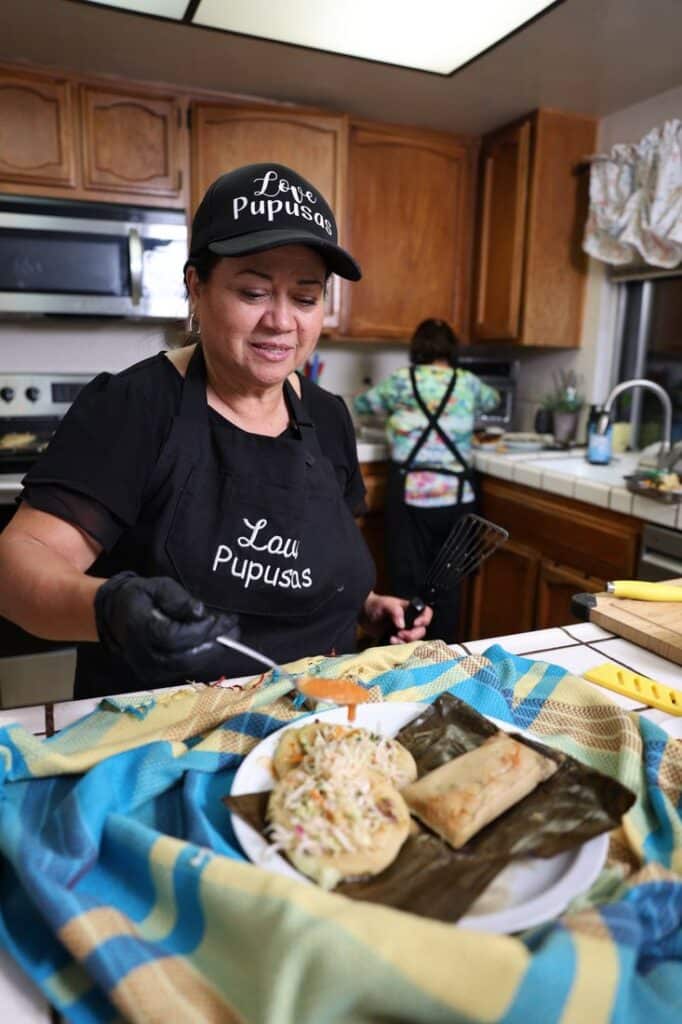
I want to apply for a MEHKO license—what do I need to know?
For those interested in applying, Tony encourages prospective operators toward two big things. For one, take advantage of upcoming workshops and consultation opportunities with city staff—especially the one this Thursday, where they can actually meet with the health department members who would be reviewing these applications and get advice about how to proceed.
Secondly, his advice is straightforward: Educate yourself a little on what a MEHKO is and what you want to do. That means obtaining a food manager certification early, understanding the program’s limitations, developing a clear menu, and beginning to build one’s standard operating procedures before submitting an application.
“Knowing your menu, knowing how you’re going to use your space, and how you’re going to deal with the limitations of the program are good things to know going in,” he said.
The actual steps needed toward getting your MEHKO license in Long Beach.
The City of Long Beach has outlined a six-step process for residents seeking to launch a Micro-Enterprise Home Kitchen Operation (MEHKO):
1. Apply for a Business License
Applicants must complete two forms:
- General Business License Application
- MEHKO Application Support Form
Both forms are available through the City of Long Beach.
2. Provide Required Documents
Applicants must submit:
- A copy of their Seller’s Permit (CDTFA)
- Home Occupation Standard Rules of Operation documentation
3. Complete Home Occupation Zoning Review
The City’s Planning Bureau will conduct a one-time Home Occupation Zoning Review. Once approved, planning and business license fees must be paid before the application can move forward.
4. Apply for a Long Beach Health Permit
Applicants must:
- Complete the MEHKO Health Permit Application
- Submit a Standard Operating Procedure (SOP) document detailing how the business will operate
5. City Review
City staff will review:
- The application
- Seller’s Permit
- Home Occupation Standard Rules of Operation
- Health Permit materials
6. Ready for Business
Once all approvals have been granted, fees paid, and permits issued, operators will receive:
- Business License
- Health Permit
At that point, they may legally begin operating their MEHKO.
Long Beach MEHKO Permit and License Costs
Before opening, operators must obtain several permits and licenses required by the City of Long Beach:
| Permit or License | Cost |
|---|---|
| Annual Business License & MEHKO Permit Tax | $290.38 |
| One-Time Health Application Fee | $551.45 |
| Annual Health Permit | $504.51 |
| One-Time Home Occupation Zoning Review | $55.50 |
| Seller’s Permit | No fee |
| Employee Fee (if applicable, per employee) | $12.27 |
Estimated startup cost: Approximately $1,401.84, excluding any employee fees.
Note: Fees are subject to change each fiscal year and may be adjusted mid-year.