
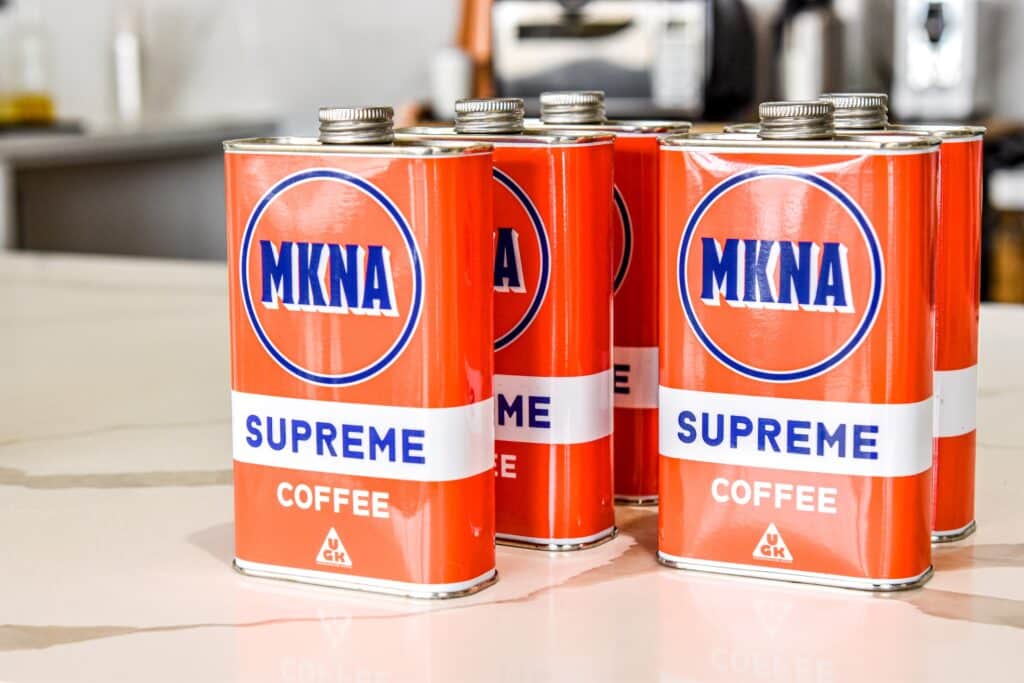
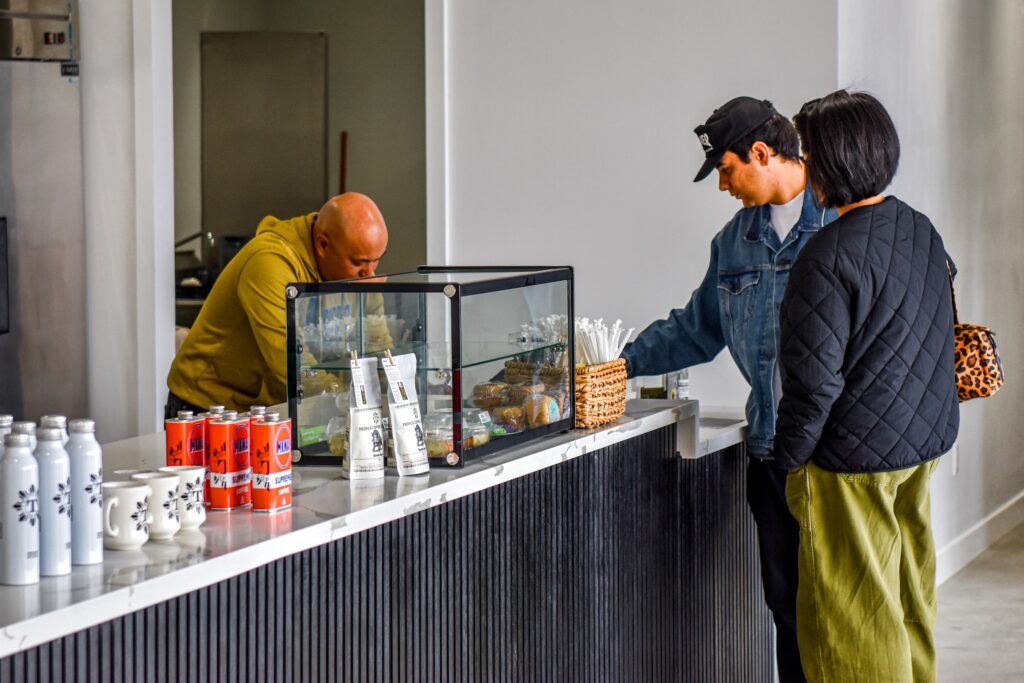
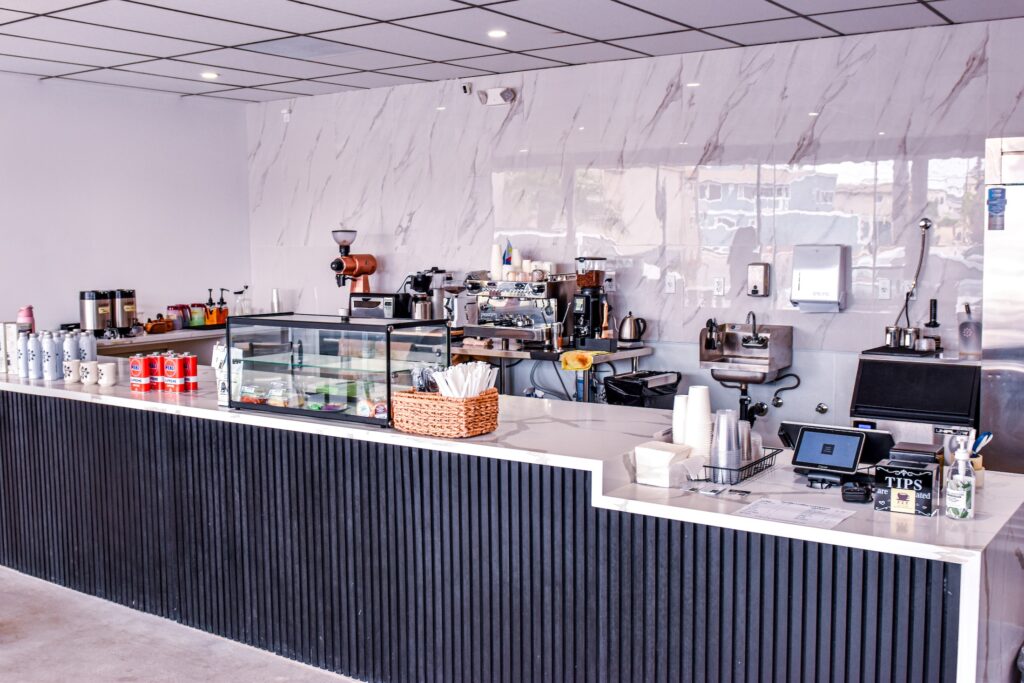
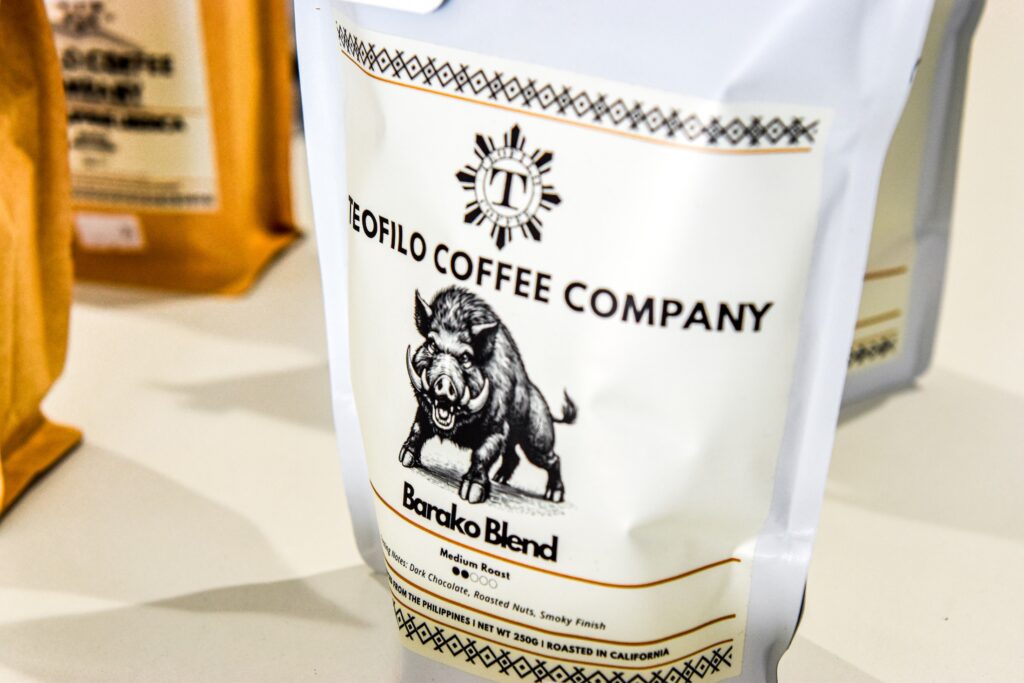
Teofilo has officially opened its first Long Beach shop, shortly after opening in Carson and shuttering its flagship Los Alamitos location last year after five years of serving the community. And yes, there are the clear marks that the space is a Filipino-owned shop that also happens to use and roast beans it procures from the islands of the Philippines: a babingka latte here. A wrapped pastry from Gemmae there. Calamansi tea tinged with espresso. Beans that, even for more adept coffee aficionados, are unheard of—especially when you see a bag of Liberica beans, commonly known as Barako in the Philippines.
For owner and roaster Ron Dizon, yes, there is pride in the shops themselves. However, they are but a minuscule reflection of his larger goal since diving into the floral, fruity, forgotten world of Filipino coffee.
On one hand, a service. A service to the coffee world: This is nothing short of spectacular coffee—and one that is widely dismissed in a world dominated by African, Arab, and Latin American-grown beans. And a service to the Filipino diaspora, be they the elders who came to the States long ago and haven’t been home, or the countless Filipino-Americans who walk the line between cultures.
On the other hand, Ron’s work is for the motherland itself: Lifting up farmers, their product, and creating spaces that will make their work less arduous, more connected, and more recognized.
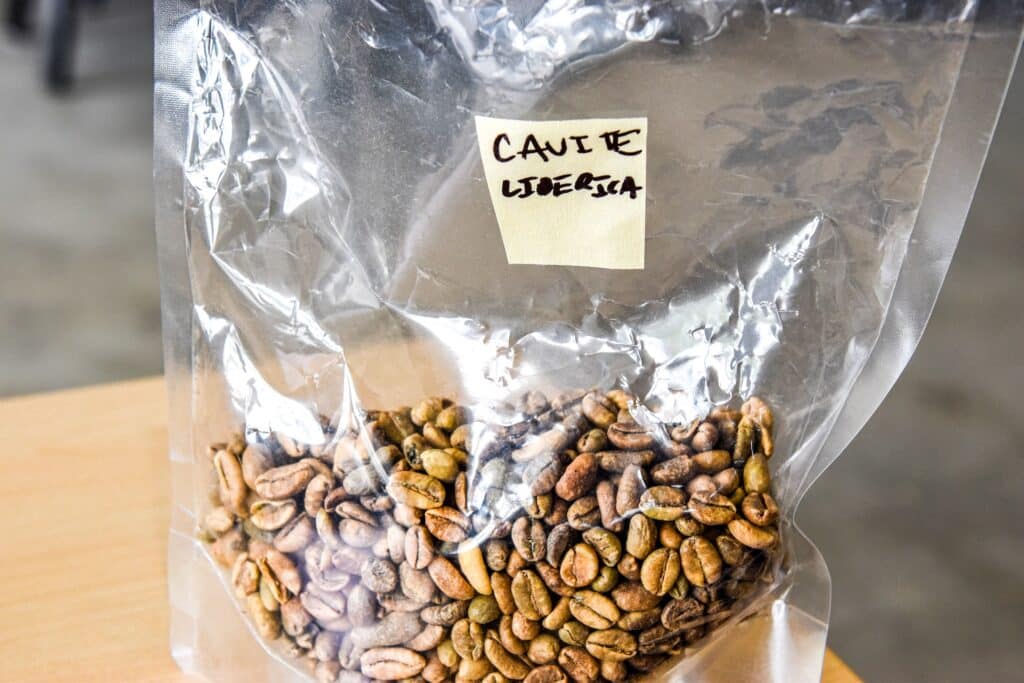
The absence of Filipino coffee in the larger cultural conversation drives Teofilo in Long Beach and beyond.
“There’s a special moment when an elder tastes our Liberica and says, ‘I haven’t tasted that part of home in decades,'” Ron said.
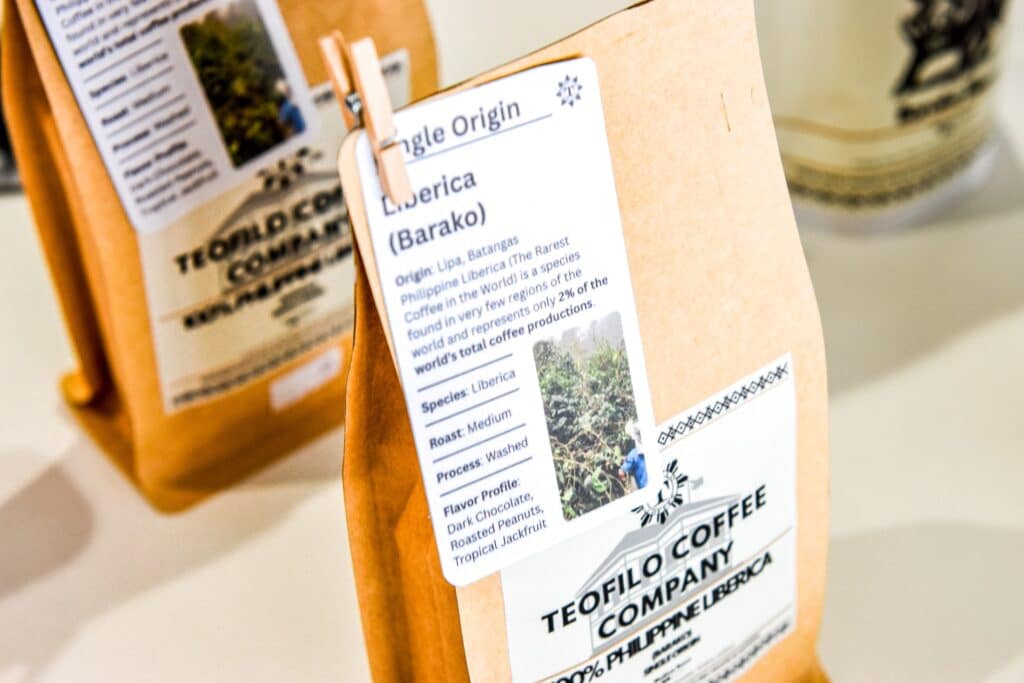
For native Filipinos, Liberica—or kapeng barako—is a
That absence is exactly what Ron has spent nearly a decade trying to change.
The idea began, as he tells it, on a napkin in 2017, after his mother casually mentioned coffee from the Philippines.
“Wait—coffee from the Philippines?” he recalled thinking. That single question turned into an obsession: late-night research, reading about Philippine coffee history, learning how a country once recognized globally for coffee production had largely disappeared from modern coffee conversations.
For Teofilo and its family, that cultural discovery became personal.
Brought to the United States from the Philippines at age four, Ron grew up in a Filipino household while moving through a heavily Americanized upbringing. Like many immigrant children or children of immigrants, there comes the harsh realization that your home is not like white American homes. This creates a massive liminal space: A desire to assimilate just to feel “normal” and an active distancing from crucial parts of one’s central identity.
Ron admits this tiring sensation—and that Filipino coffee unexpectedly became a way back into discovering his roots, his heritage, and, yes, his own complex identity.
“There was something about this discovery process that shifted my mentality as someone who is both proudly Filipino and American,” he said, describing how what began as curiosity turned into a larger mission: not simply selling coffee, but giving something back to the Philippines.
That mission became Teofilo Coffee Company—named after his grandfather.
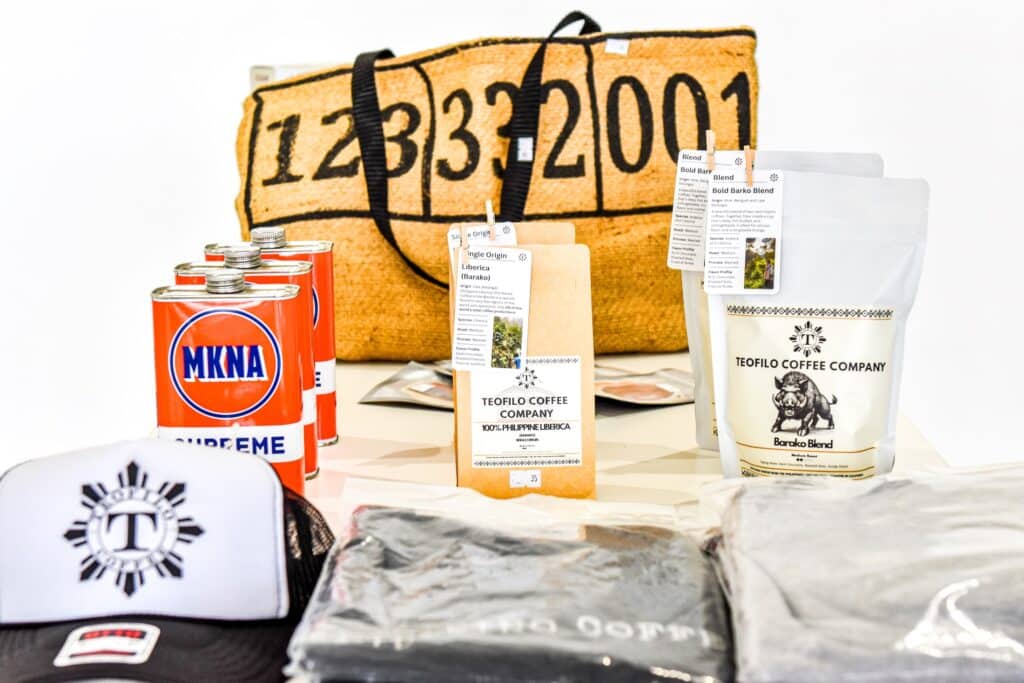
The origins of Teofilo began in Los Alamitos and now reach Carson, Long Beach, and, of course, the Philippines.
The original Los Alamitos café, which helped introduce many Southern Californians to Filipino-grown beans, closed after a five-year run. But the project itself has expanded rather than contracted: Carson now serves as the company’s primary base, while Long Beach has become its newest chapter, with a Naples location quietly entering soft open service.
The focus remains unchanged: Filipino coffee first, stripped of distraction.
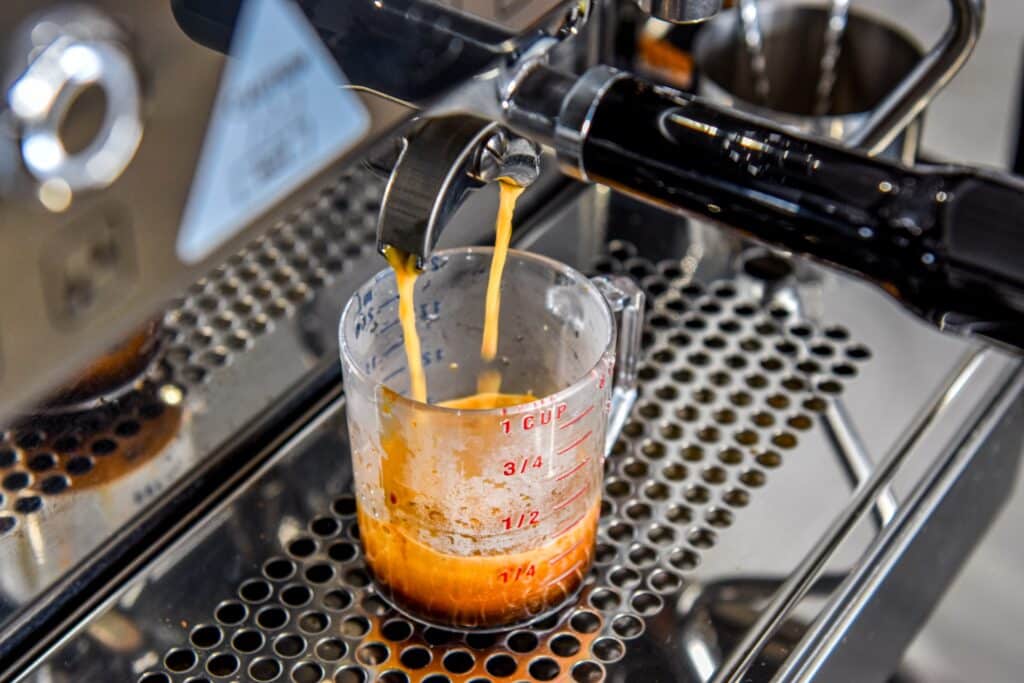
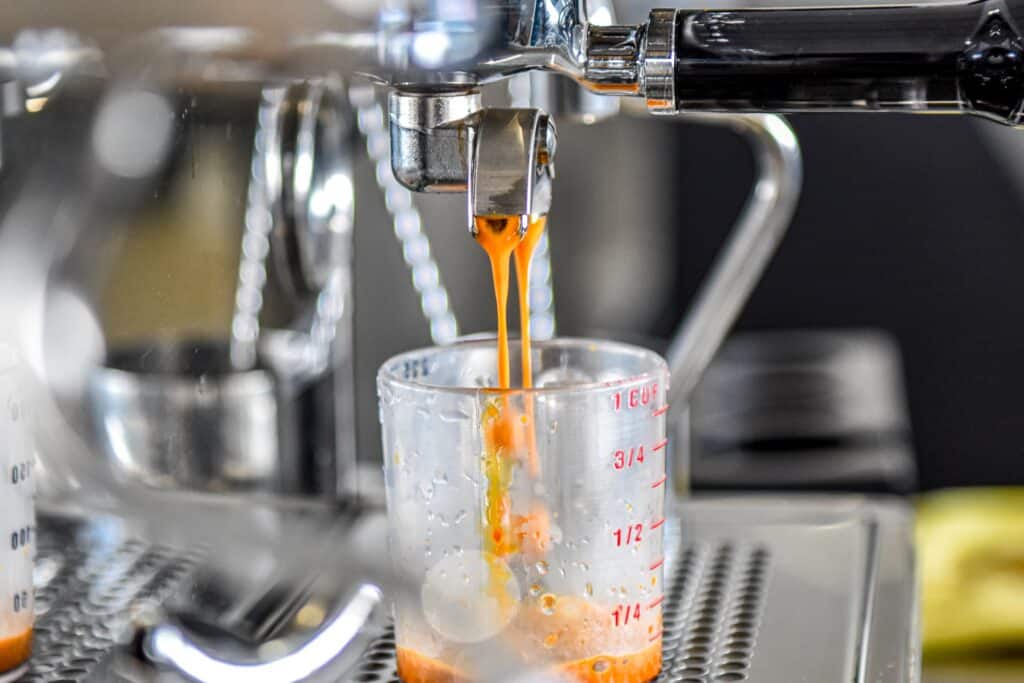
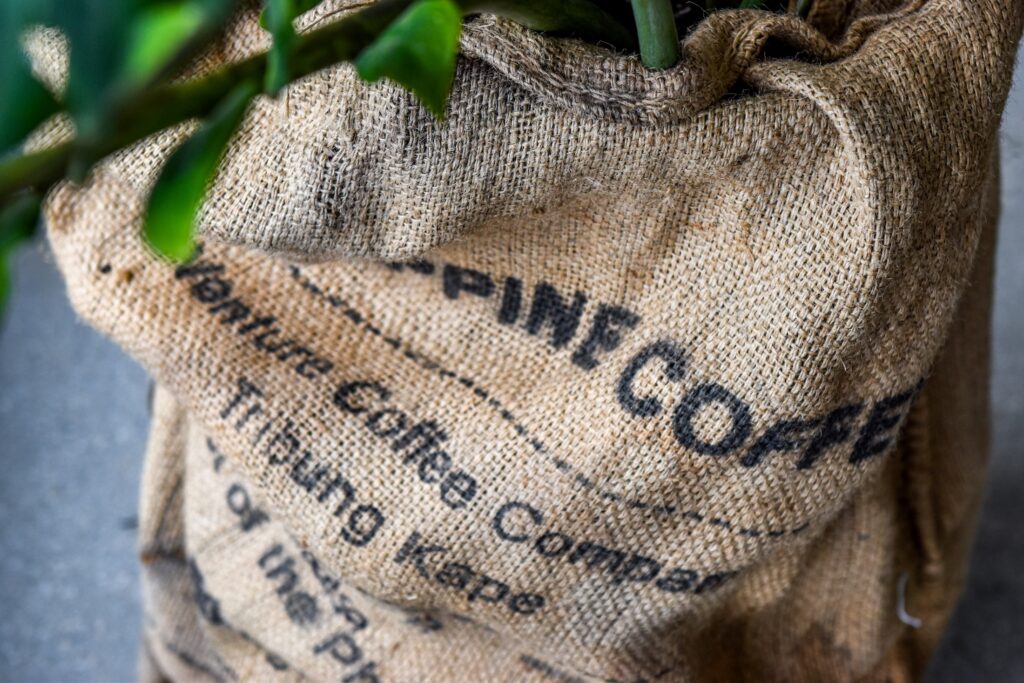
That means centering beans many customers have never encountered before, particularly Liberica, one of four coffee species grown in the Philippines alongside Arabica, Robusta, and Excelsa. That four-way feat is a rarity that only the Philippines can claim amongst coffee-producing countries. For Ron, liberica remains central not just because of flavor, but because of what it represents historically: a bean tied directly to Philippine coffee identity.
“I am still amazed that this incredible bean—just 1.1% of coffee production in the entirety of the Philippines—has simply survived,” Ron said. “It has been this resilient piece of Filipino innovation for hundreds of years. And most coffee drinkers across the world will never taste it. I want to change that.”
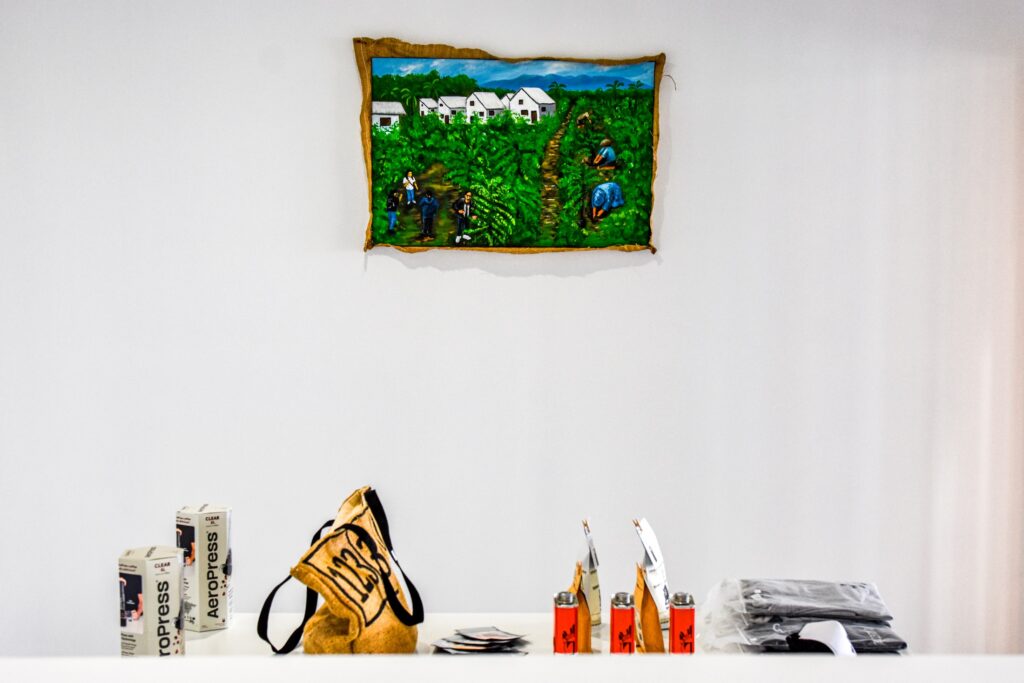
Before Teofilo, Ron Dizon’s career had little to do with cafés.
His professional life moved through automotive engineering: Honda, Hyundai, Toyota, SpaceX… He built a career studying systems, inefficiencies, and production methods—skills that now quietly define how Teofilo operates and roasts itself. Precision matters because, to Ron, coffee deserves the same discipline as engineering.
“The skills I learned through engineering can absolutely be applied to anyone opening their own business,” he said, noting that much of Teofilo’s operational mindset comes directly from years spent inside manufacturing environments where consistency and process determine success.
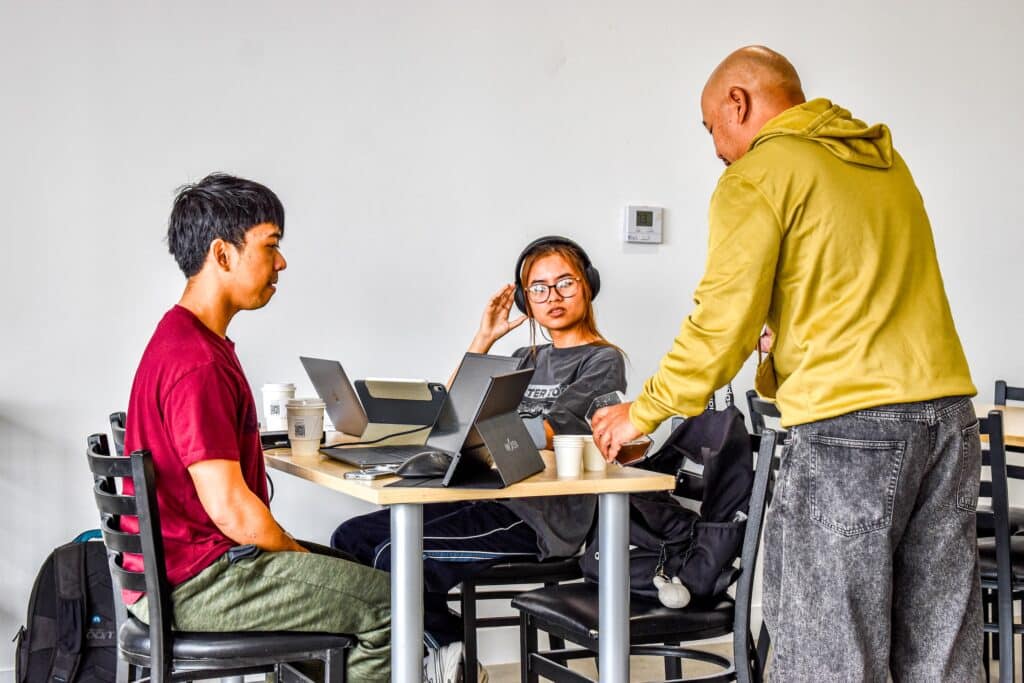
That same mentality shaped Teofilo’s earliest days at farmers’ markets, where Ron roasted beans publicly using a six-foot fluid-bed hot-air roaster mounted on what looked like a cargo pallet. The machine became part of the draw: customers gathering not only for coffee but for the process itself.
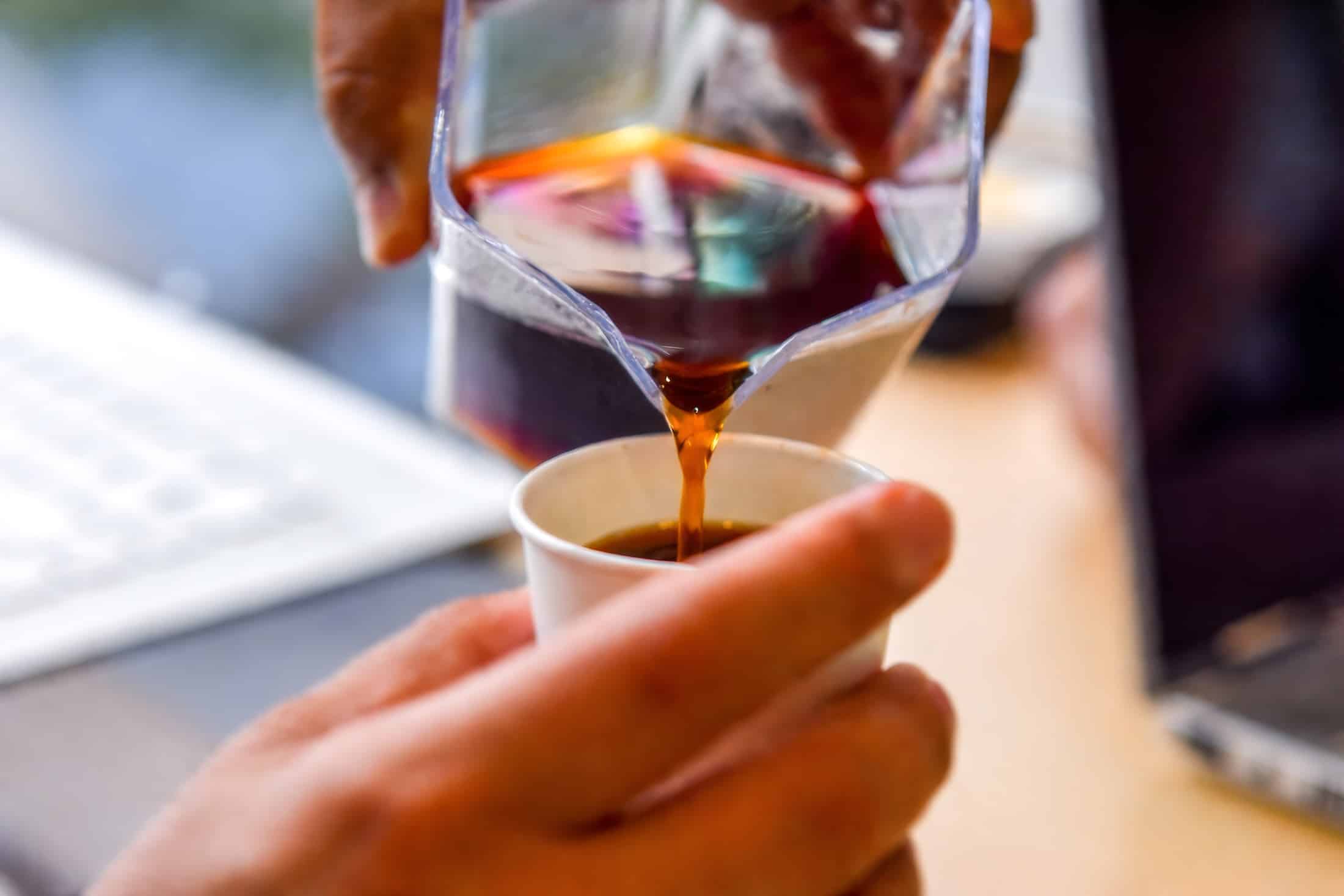
“Roasting in public eventually became part of our motto: offering experiences,” Ron said, just as Teofilo marketing guru Glenn Gordo walks around with a carafe of brewed Liberica to offer patrons.
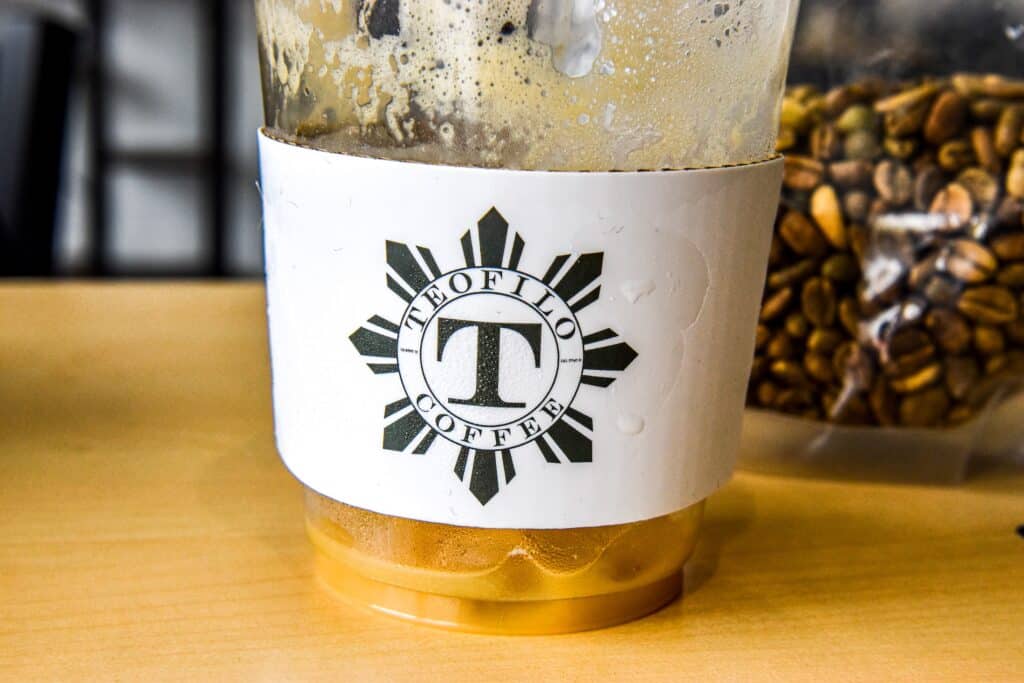
That front-facing directness still defines the company’s tone.
From the beginning, Ron told customers the same thing: “If the coffee is bad, say so… I believe in being absolutely transparent. If it sucks, please let us know.”
Of course, there’s a larger, silent conversation simultaneously behind the phrase—and that is a confidence in the product itself. Because the response he constantly gets is praise. My first sip of Liberica, prepared via Aeropress, was wondrous: woody and smoky in nature, almost umami-like, it defiantly stood opposed to the brightness of African beans and the nuttiness of Latin American beans all on its own.
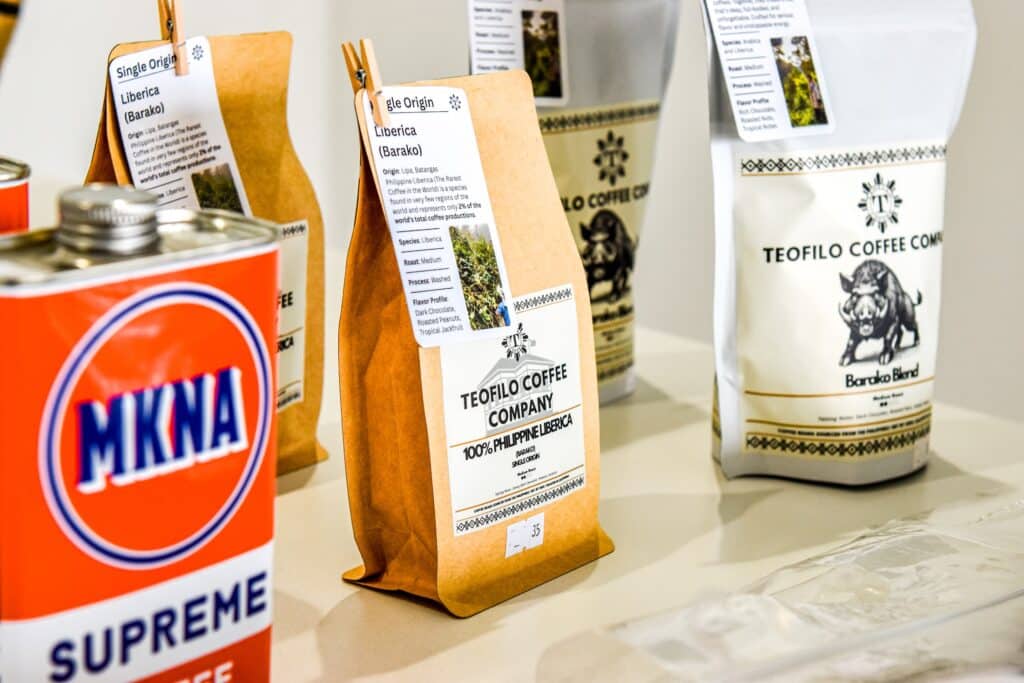
My tasting mimicked a similar one Ron had with his uncle—and his uncle’s proclamation that he can now “drink coffee black” became a kind of unofficial benchmark for what Teofilo should deliver every day.
In the words of Ron, “Coffee pure enough to stand on its own.”
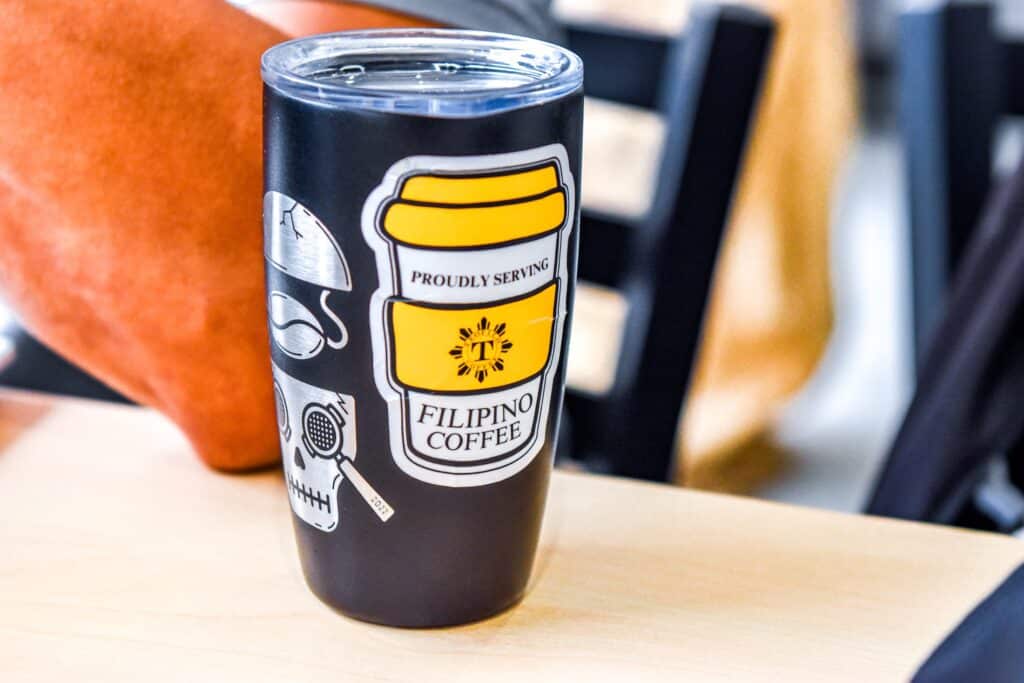
Behind that cup of Teofilo coffee is a more complicated supply chain.
“There was one farm, on a hill—a mile or two away from the processing area. Everything is hand-sorted. There are no machines. And this is just one example. But I watch this woman— maybe 60 years old—and she does it herself. Down the hill, carries whatever she can carry from the bottom to the top, and then another couple miles. That’s just one instance.”
Ron’s tellings of his experiences in the Philippines are not just anecdotal; they are part of a much larger mechanism between the story of Teofilo and the work of Teofilo. Working through the Philippine Coffee Board, Ron imports what the supply allows, often only after domestic demand in the Philippines is first met. The limitations reflect the country’s long agricultural history: once among the world’s most important coffee exporters, before rust disease and crop shifts devastated production.
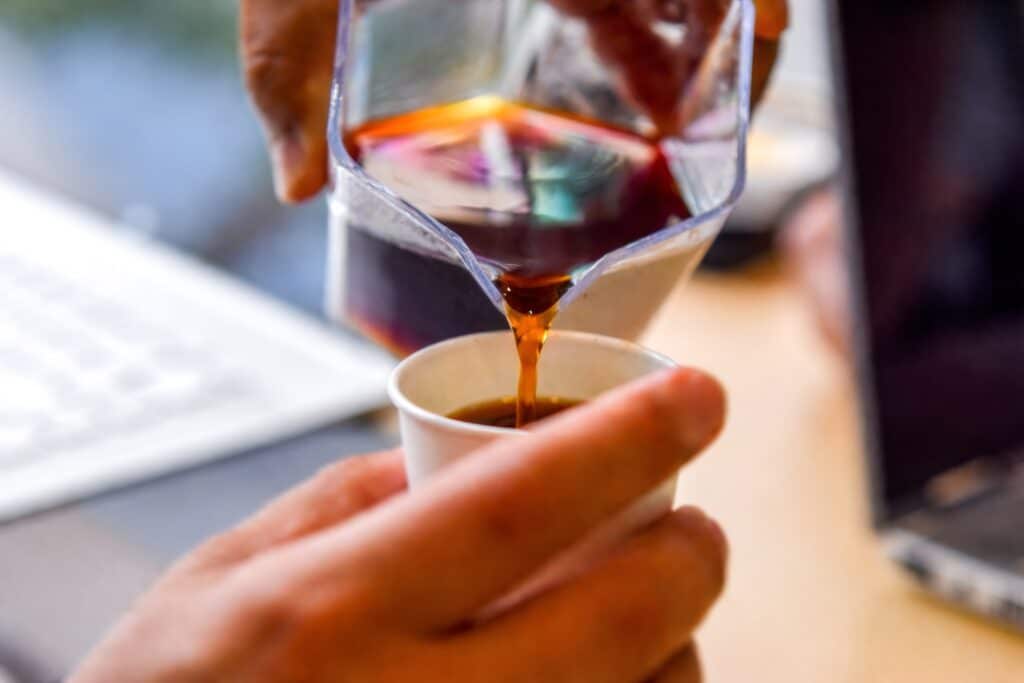
For Ron, Glenn, and the entirety of the Teofilo family, restoring that visibility remains the point.
“We kept it clear what Teofilo was about,” he said. “Exposing our history in coffee and why our coffee should be there amongst the others that people know about.”
Now, with Long Beach entering the picture, Teofilo’s newest space feels like an extension of that same long argument: that Filipino coffee belongs not as novelty, but as part of everyday coffee culture. That remains Teofilo’s strongest offering—not nostalgia alone, but reconnection: across migration, across generations, and now, increasingly, across Southern California.
Teofilo’s Long Beach location is located at 5668 E. 2nd st.