

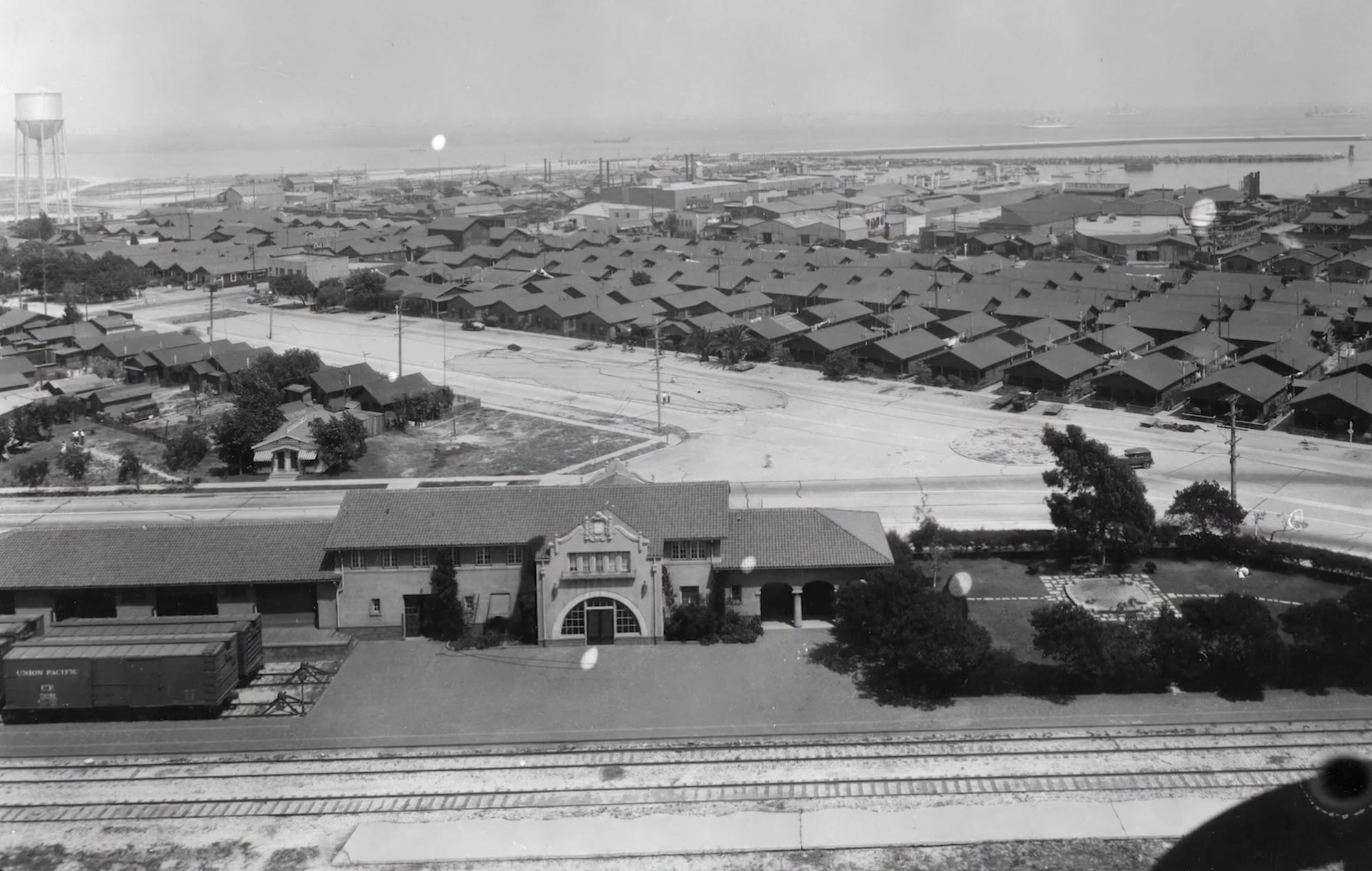
My ongoing series, Long Beach Lost, examines buildings, spaces, and cultural happenings that have largely been erased, including the forgotten stories attached to existing places and things. This is not a preservationist series, but a historical one that will help preserve a record of our architectural, cultural, and spatial history.
Editor’s note: This series first appeared on Longbeachize in 2017 and 2018; some articles have been syndicated, republished, updated, and/or altered.
Want to read previous Long Beach Lost articles? Click here for the full archive.
Before Terminal Island became a landscape of cranes, containers and guarded industrial space, thousands of Japanese and Japanese American residents built a home beside Fish Harbor. Then the United States government gave them 48 hours to leave—and ensured there would be no village to return to.
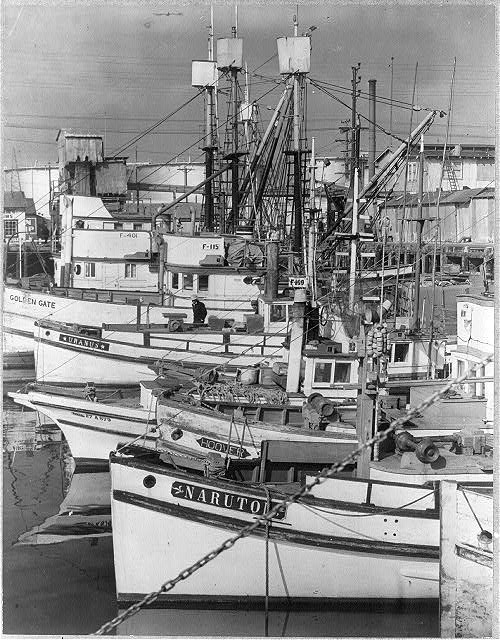
Furusato was once the Japanese epicenter of SoCal.
Stand on Terminal Island today and it can be difficult to imagine the place as anyone’s hometown. The island between the ports of Long Beach and Los Angeles is now a hardened industrial landscape. Shipping terminals. Warehouses. Rail lines, Oil tanks. Acres upon acres of asphalt pushed against the water… Most people pass through it rather than enter, its human scale overwhelmed by the machinery of global trade.
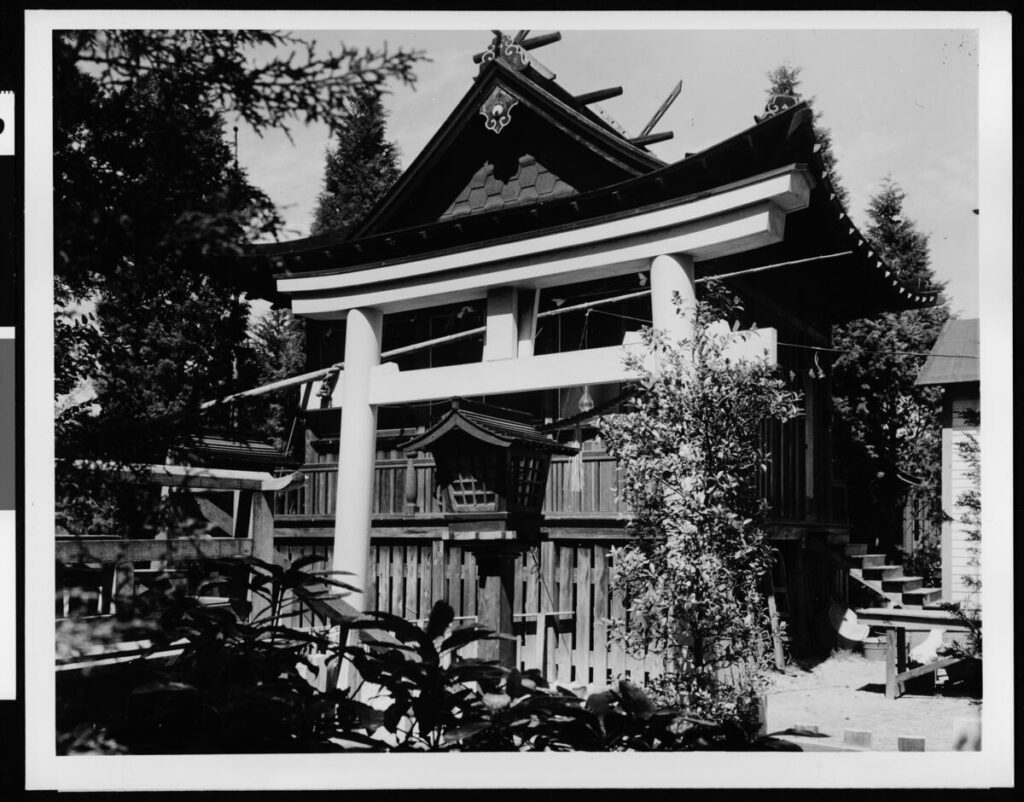
But before the island became almost entirely synonymous with industry, a neighborhood sat along Fish Harbor. Its streets carried names like Tuna, Cannery, Albacore and Pilchard. There were wooden homes and boardinghouses. Markets. Restaurants. Barber shops. Churches next to a Buddhist temple. Pool halls. A thriving, active community center. Children attended school, families gathered for holidays, and fishermen returned to the harbor with catches that helped build Southern California’s tuna industry.
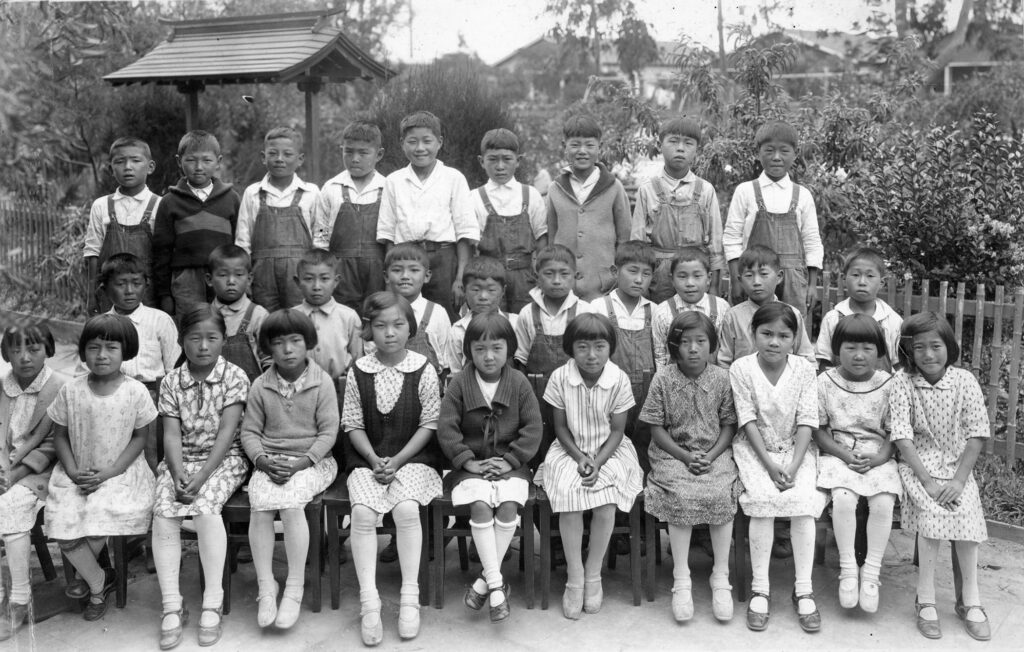
By the start of World War II, nearly 3,000 Japanese and Japanese-Americans lived there.
The nisei—the American-born children of the Japanese immigrants who made the island their home, part of the larger nikkei community worldwide—called the village Furusato, an old Japanese word for one’s hometown. It is the place that formed you; the home remembered after you have gone.
For the people of Terminal Island, that second meaning would become brutally literal.
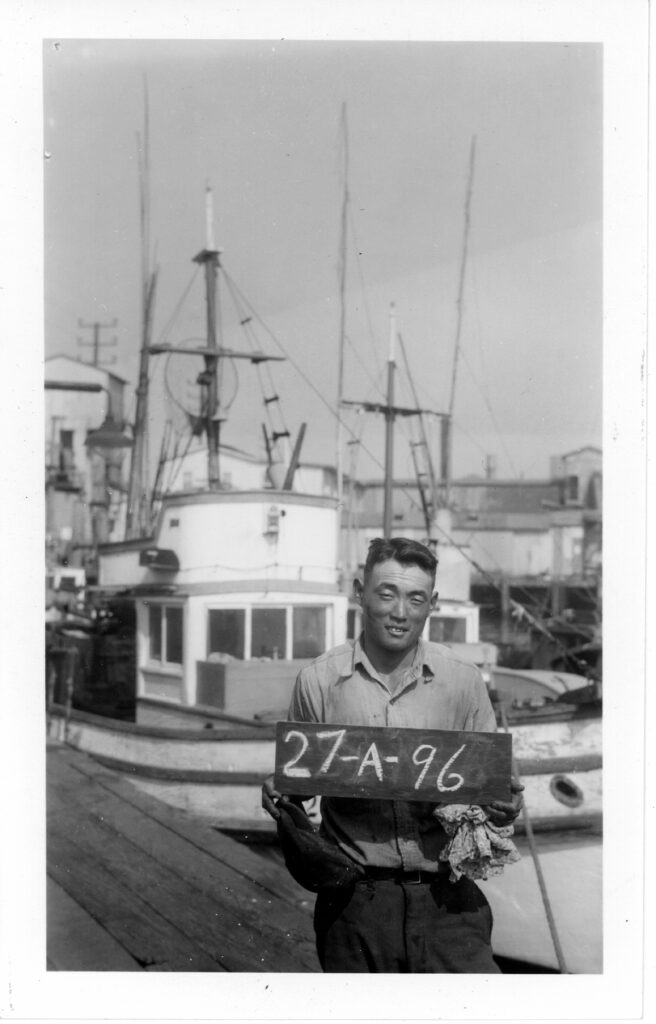
Furusato was a village built around water, for people defined by water.
Long before it was expanded through dredging and landfill, Terminal Island was a low, marshy place in the harbor. At different times, it was known as Rattlesnake Island before taking its present name from the Los Angeles Terminal Railway. Its location beside deepening harbor channels made it increasingly valuable to railroads, canneries, shipbuilders, and the growing ports on either side.
Japanese immigrants began establishing a fishing community there in the first decade of the 20th century. Many came from Wakayama Prefecture, a coastal region of Japan with a deeply established fishing culture. They brought knowledge of the ocean, boats, and fishing techniques to a rapidly changing SoCal industry.
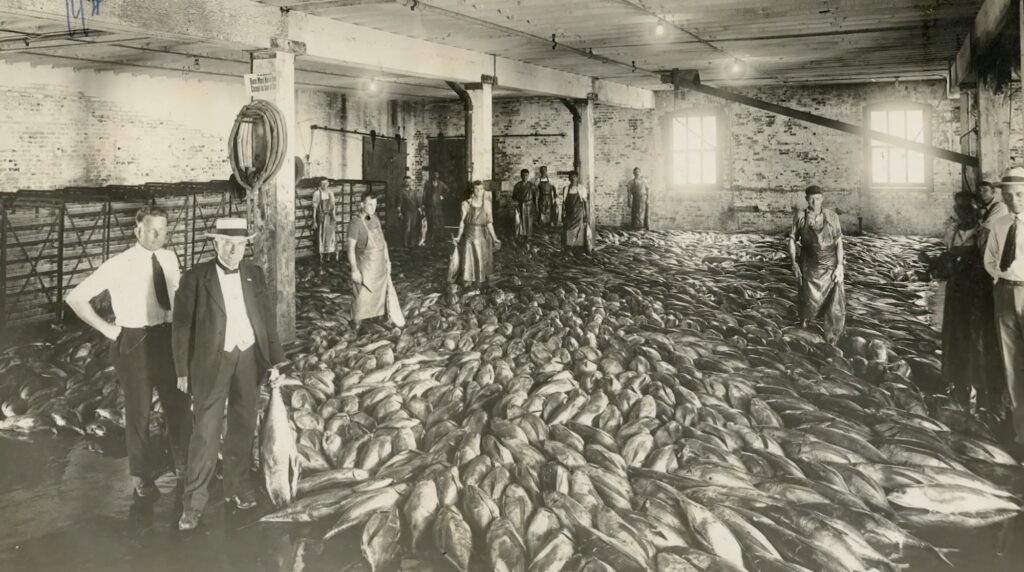
According to California’s historic survey of Japanese-American sites, a fisherman named Hamashita was among the earliest Japanese immigrants to fish commercially off San Pedro, using a boat called the Columbia that had been purchased from a defunct abalone operation at White Point. By the summer of 1907, several hundred Japanese fishermen had moved onto Terminal Island.
The canneries followed the labor—or, more accurately, built a settlement around the workers they needed. Companies leased harbor land and constructed rows of modest, one-story homes close to the plants. The result was a company town: housing, employment and daily life intertwined with the demands of the fishing and canning industries.
What life was like on Furusato…
Men often left the harbor at night or for extended trips, pursuing sardines, albacore and tuna. Women labored in canneries operated by companies including Southern Fish Co. and Van Camp, cleaning and packing catches on schedules dictated by the arrival of the boats. The work was difficult, pungent and relentless. Furusato was not a quaint seaside village disconnected from industry; it existed within one of the most physically demanding food-production systems in the region.
And Japanese workers were essential to making that system function.
By 1929, roughly 900 Japanese fishermen worked from Terminal Island, according to the state historic survey. Japanese crews helped transform tuna from a relatively unfamiliar catch into a defining SoCal industry, while their wives and other women supplied the labor that moved fish through the canneries and into cans shipped throughout the country.
Around that labor grew an actual place.
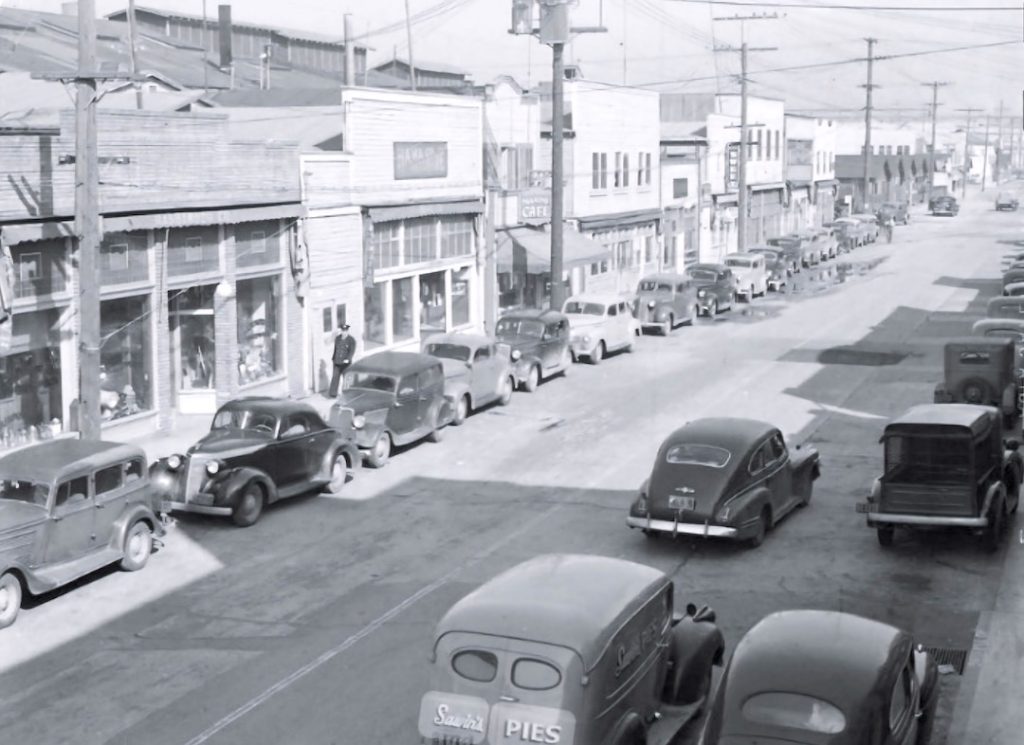
Restaurants. Grocers. Pool Halls. Furusato grows into a community.
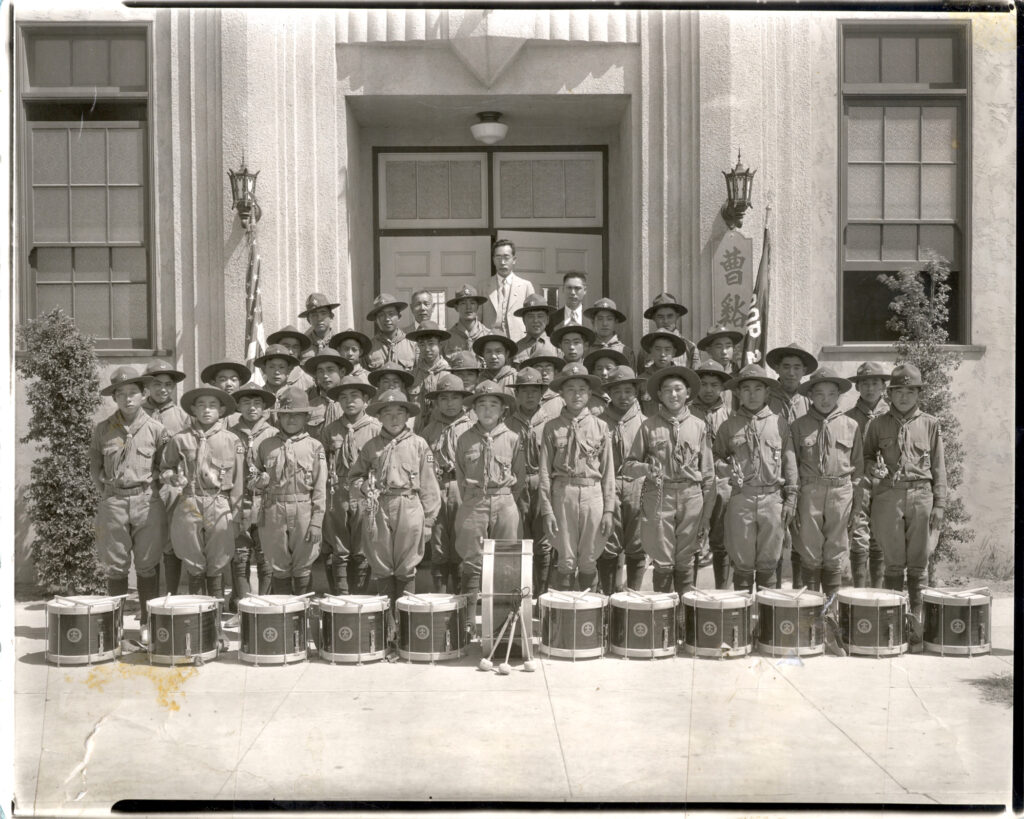
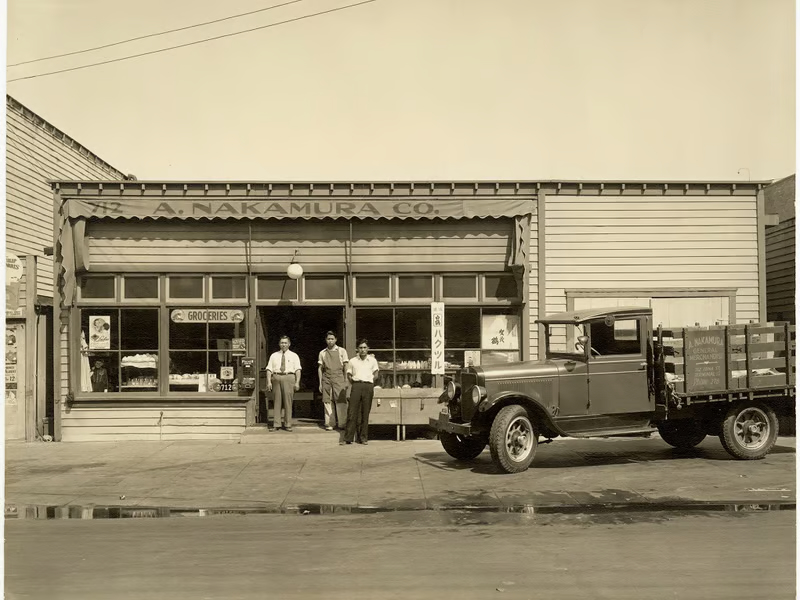
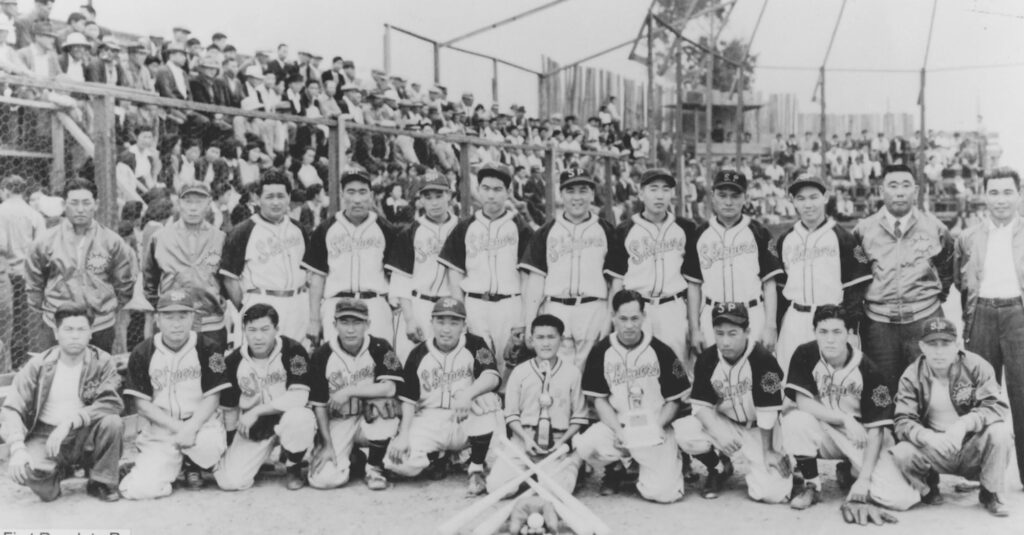
Fishermen Hall, built in 1916, became the community’s social center. The East San Pedro Public School—later known as the Mildred O. Walizer School—opened in 1918. Tuna Street functioned as the village’s commercial spine, lined with restaurants, groceries, dry-goods businesses, barber shops, pool halls and markets. The neighborhood had religious congregations, Japanese-language education, judo and kendo clubs, sumo, baseball teams, dances, concerts and celebrations such as Boys’ Day.
Isolation helped give the community its singular character. The residents were separated from the mainland not only by water and industry but by a larger society that treated Japanese immigrants as permanent outsiders. California law barred immigrants deemed ineligible for citizenship from owning land, while racist campaigns routinely framed Japanese farmers and fishermen as economic and national threats.
On Terminal Island, a distinct dialect even emerged among children, mixing English with the regional speech of their parents’ native Wakayama. Furusato was a Japanese American place in the most complete sense: neither a transplanted Japanese village nor an assimilated American suburb, but a culture made specifically by immigrant parents and American-born children living between factories and sea.
That distinctiveness would later be weaponized against them.
Racism dressed up as military necessity
When Japan attacked Pearl Harbor on Dec. 7, 1941, Terminal Island’s location beside shipyards, naval facilities and two major ports made its Japanese residents immediately vulnerable.
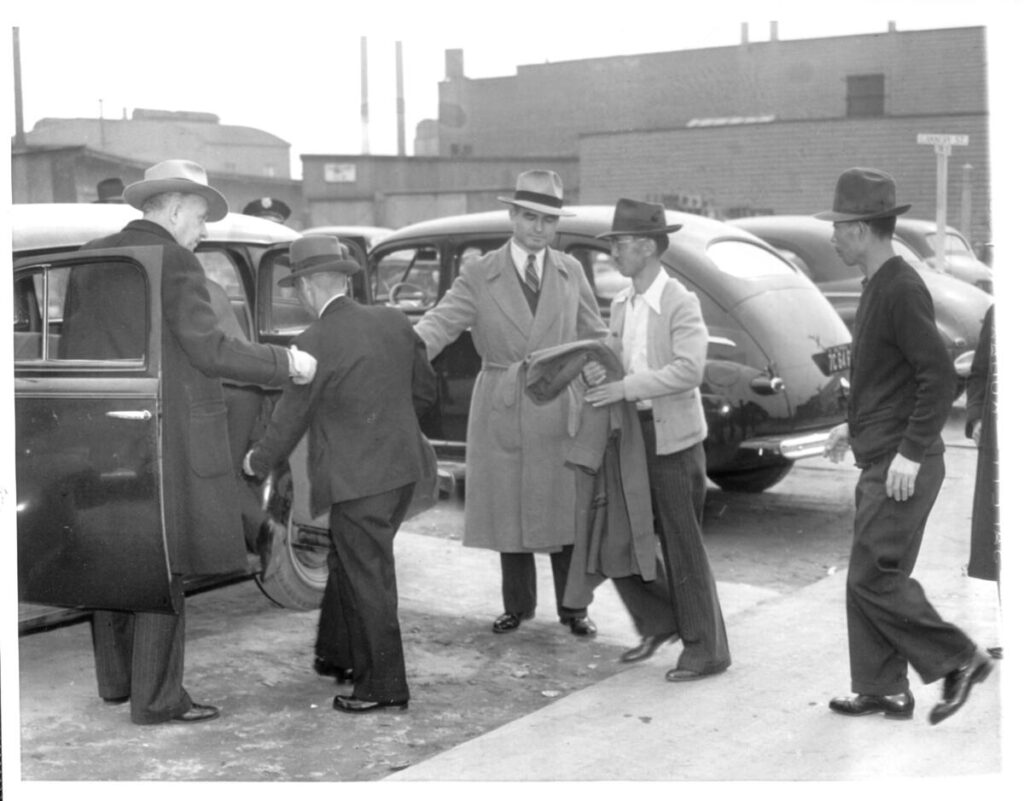
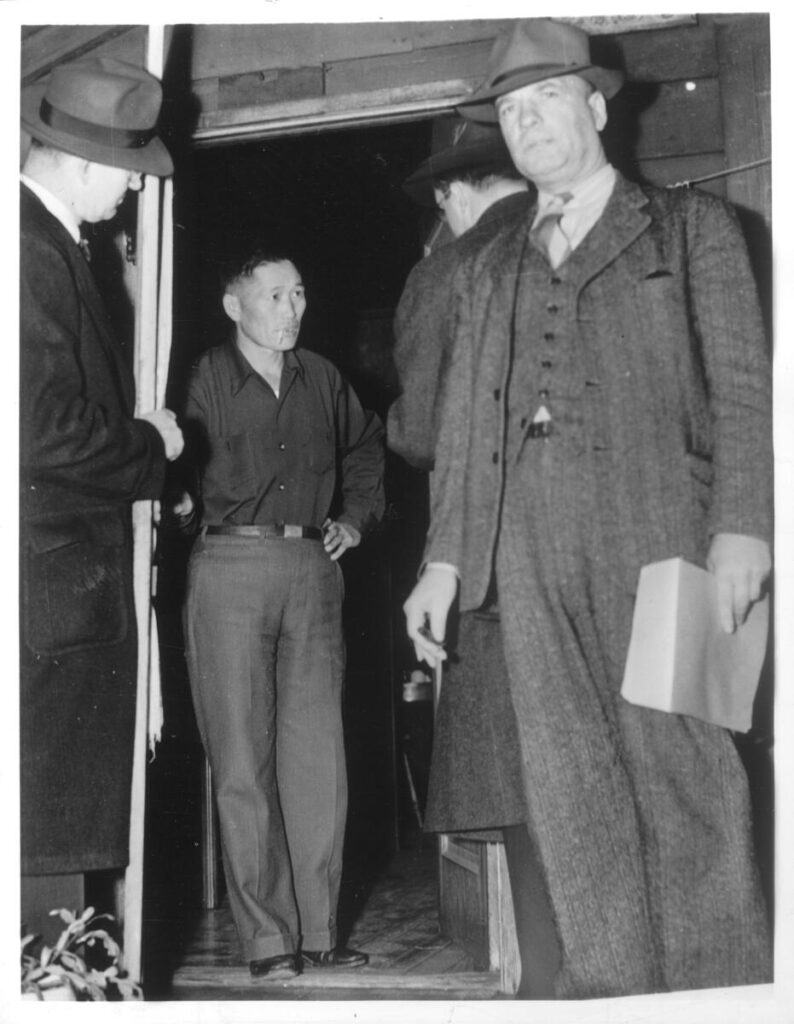
Federal agents moved first against Issei men, the immigrant generation legally prohibited from becoming American citizens at the time. The FBI arrested fishermen and community leaders, often without warning, while families were left with little or no information about where the men had been taken. Boats were prevented from leaving the harbor, or outright tied up and put up for sale. Homes were searched. Ordinary objects connected to fishing, language, and community life were recast through the logic of suspicion.
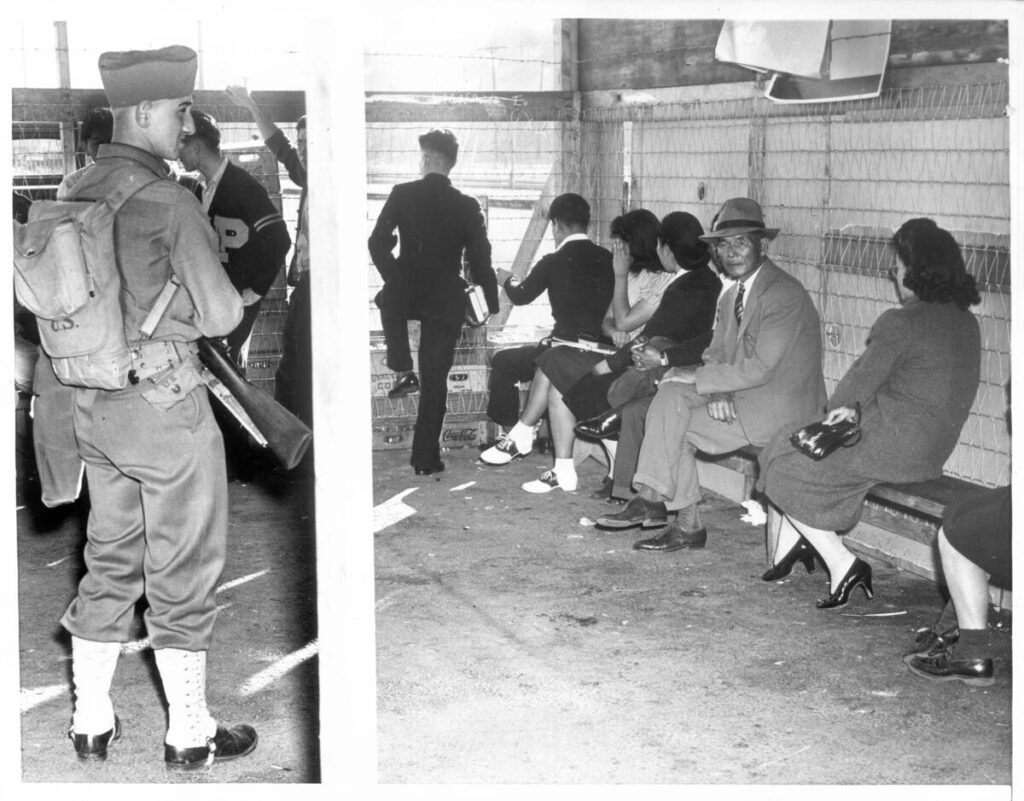
The arrests did not emerge from evidence that Furusato was a nest of espionage. They emerged from decades of anti-Japanese hostility that had already portrayed these residents as unassimilable and disloyal. Wartime panic supplied the government with an opportunity to turn that prejudice into policy.
On Feb. 19, 1942, President Franklin D. Roosevelt signed Executive Order 9066, authorizing the military to exclude people from areas it designated along the West Coast. It did not name Japanese Americans explicitly, but that is overwhelmingly who the government used it against—including American citizens who had never lived anywhere else.
Terminal Island became one of the earliest and most severe tests of the country’s anti-Japanese racism.
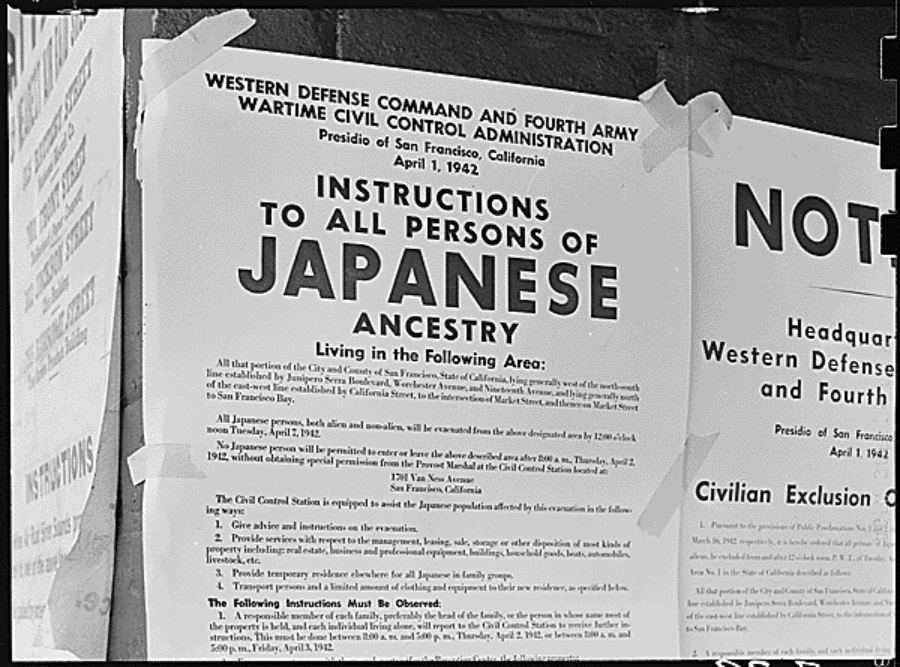
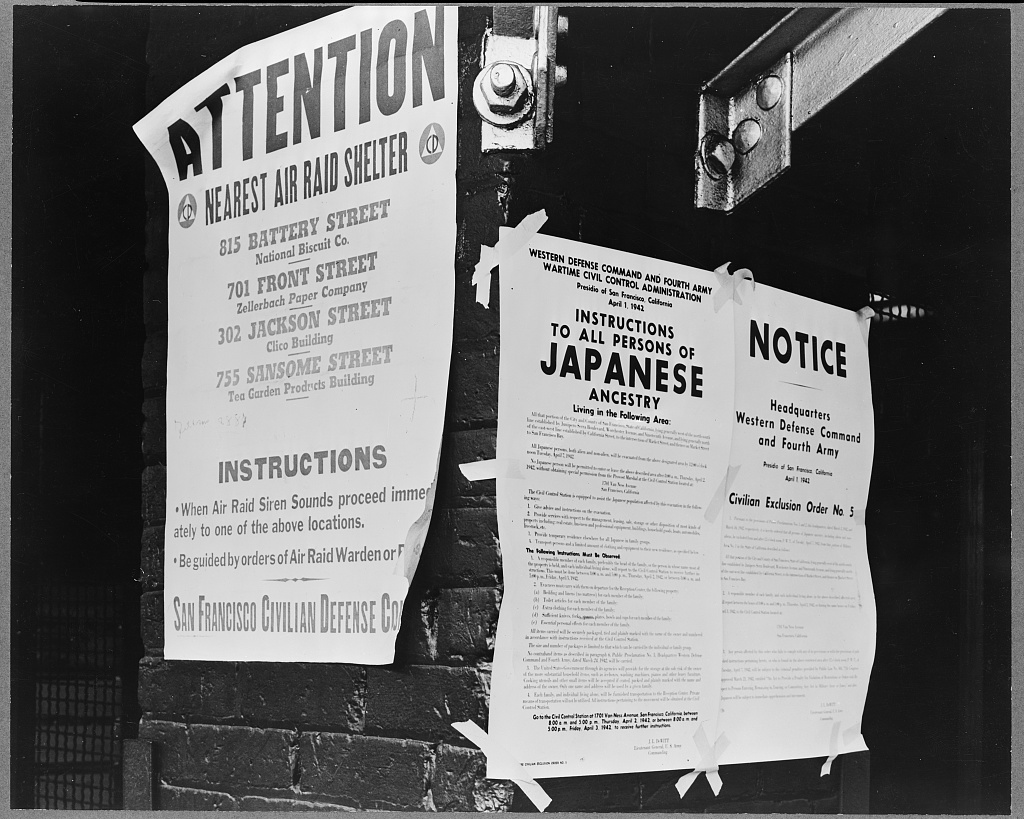
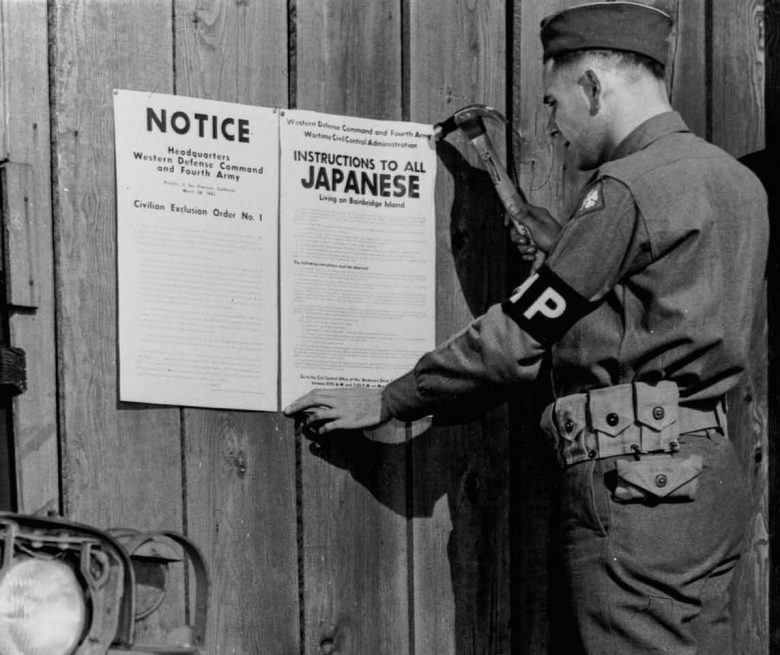
On Feb. 25, Navy personnel posted notices ordering all residents of Japanese ancestry off the island. Families were given 48 hours.
48 hours to locate somewhere to go. 48 hours to pack a household. 48hours to dispose of furniture, fishing equipment, boats, and businesses that could not be carried. With many fathers and community leaders already detained, teenagers and young adults were forced to negotiate the evacuation of entire families.
Some possessions were sold for fractions of their value. Others were entrusted to acquaintances or simply abandoned. Churches and aid organizations helped residents find temporary housing, and many families crowded into Japanese American neighborhoods elsewhere in SoCal—including Boyle Heights, which had no housing covenants and therefore welcomed all people—only to be forcibly removed again when the government expanded its exclusion program.
Terminal Islanders were ultimately incarcerated alongside more than 120,000 people of Japanese ancestry, roughly two-thirds of them U.S. citizens. Many were sent through temporary detention centers and eventually to Manzanar in the Owens Valley and other inland concentration camps.
The destruction of Furusato involved more than removing its people.
After the forced evacuation, the Navy took control of the area and the village’s houses and community buildings were razed as the harbor shifted toward wartime use. The physical neighborhood was wiped away while its residents were imprisoned. Whatever assurances might have been implied by words like “evacuation” or “relocation,” there would be no home waiting for them after the war.
This is what makes Furusato one of the starkest examples of Japanese American erasure during World War II. The government did not simply expel a population from a place. It destroyed the place behind them.
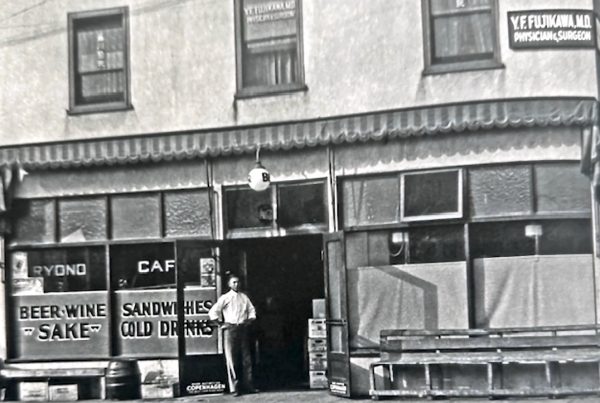
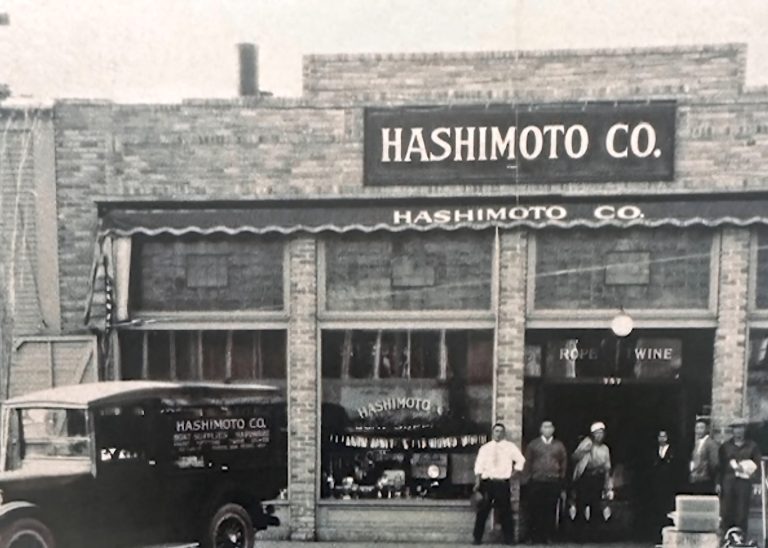
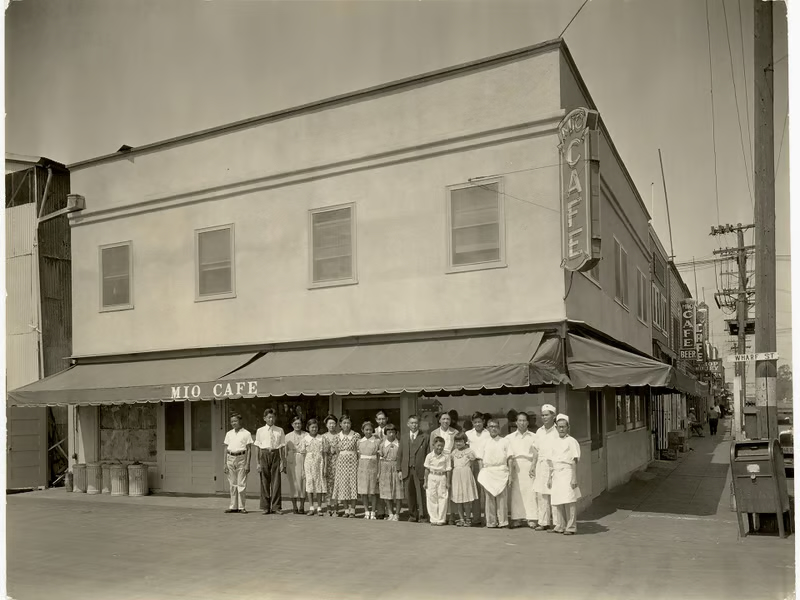
The families of Terminal Island rebuilt their lives elsewhere after incarceration, but the community could not be reassembled in its original form. Its residents had lost homes, boats, equipment, businesses, employment and a neighborhood whose economy and social networks depended upon everyone being in proximity to one another.
Still, the identity survived.
Former residents created the Terminal Islanders Club, preserving relationships forged on the island and passing its history to later generations. In 2002, survivors and descendants dedicated the Terminal Island Japanese Memorial near Fish Harbor. Its central sculpture depicts two fishermen gazing toward the former village, with a torii gate behind them and a stone inscription declaring, “Furusato—Home Sweet Home.”
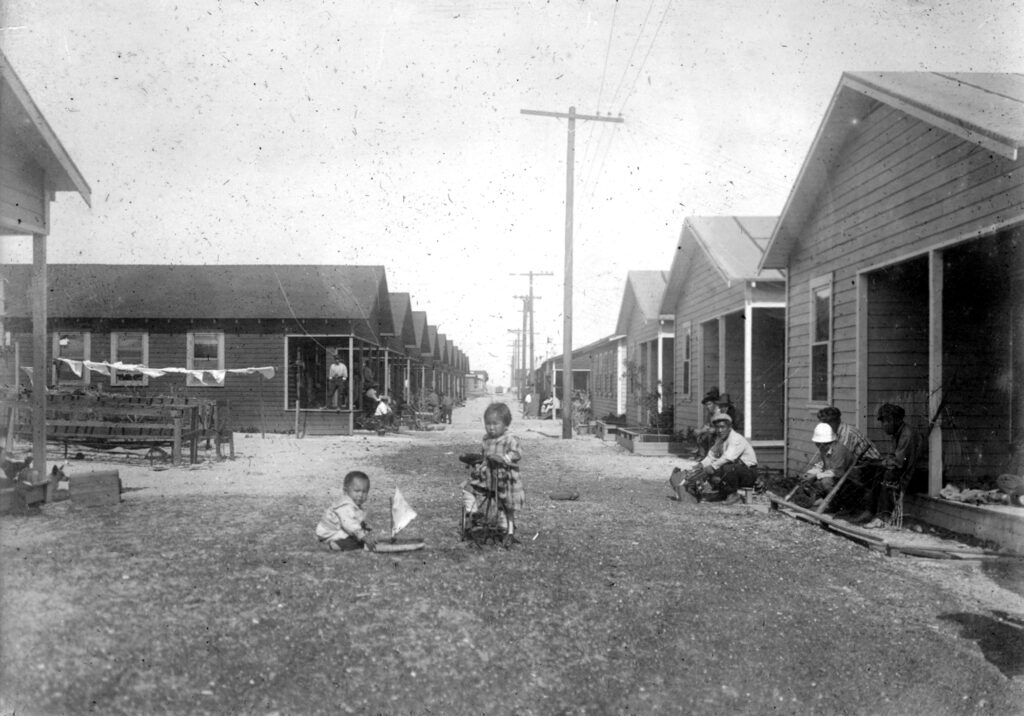
What remains of Furusato
For decades, the common historical understanding was that virtually nothing of the village remained. The homes, school, Fishermen Hall, religious spaces and active storefronts had disappeared beneath the industrial port.
Two humble commercial buildings on Tuna Street, however, endured: Nanka Shoten, dating to 1918, and the A. Nakamura Co. building, dating to 1923. They are believed to be the last surviving structures directly connected to the Japanese American fishing village. Their plainness is precisely what makes them important. They are not monuments erected after the fact; they are pieces of the place itself.
In 2025, Los Angeles designated the two buildings and the former village site a Historic-Cultural Monument, following years of advocacy by descendants and preservation groups. While the designation cannot restore Furusato—and the surviving structures represent only a fragment of what was once a complete community—it disrupts the illusion that Terminal Island has always been this unpeopled, industrial platform.
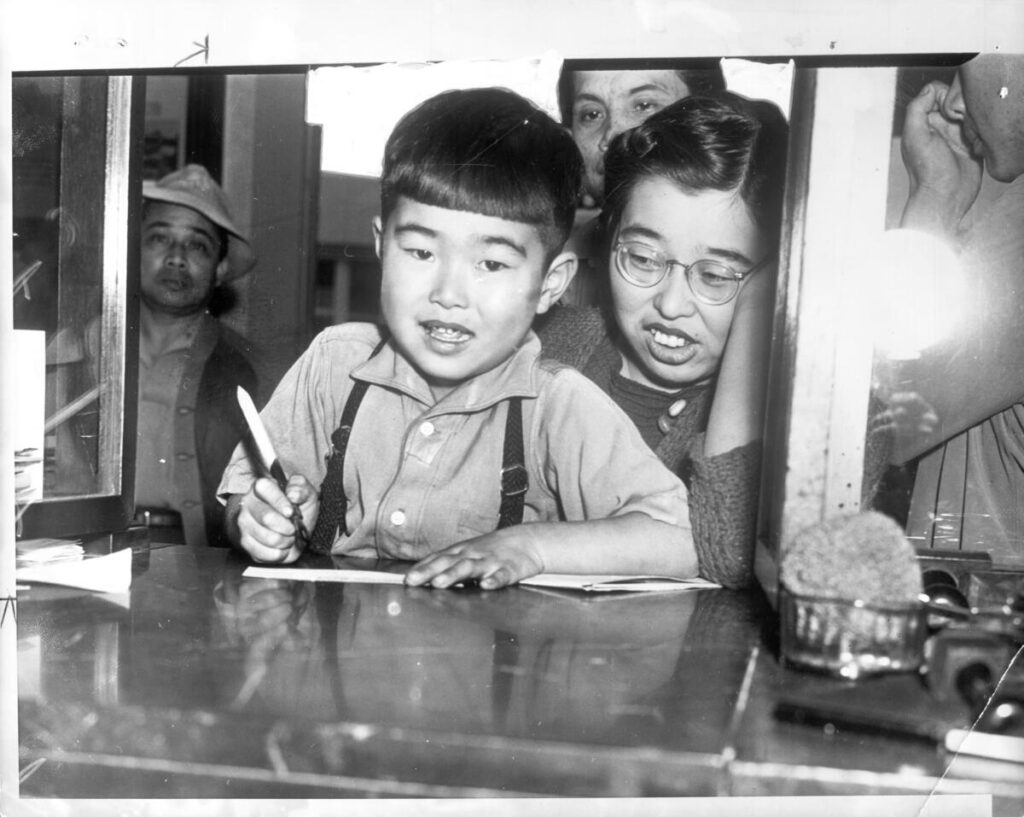
Terminal Island, far from its current state, was indeed a hometown.
Furusato and its residents worked the boats and canneries that helped turn the harbor into an economic engine. They raised American children on streets named for fish. They constructed institutions, businesses, rituals and a language of their own—even as the nation around them denied immigrants citizenship and treated their success as a threat.
Then, under the banner of wartime security, the government translated anti-Japanese racism into removal. Furusato’s people were given two days to disappear; the built environment that proved they had belonged there was largely eliminated afterward.
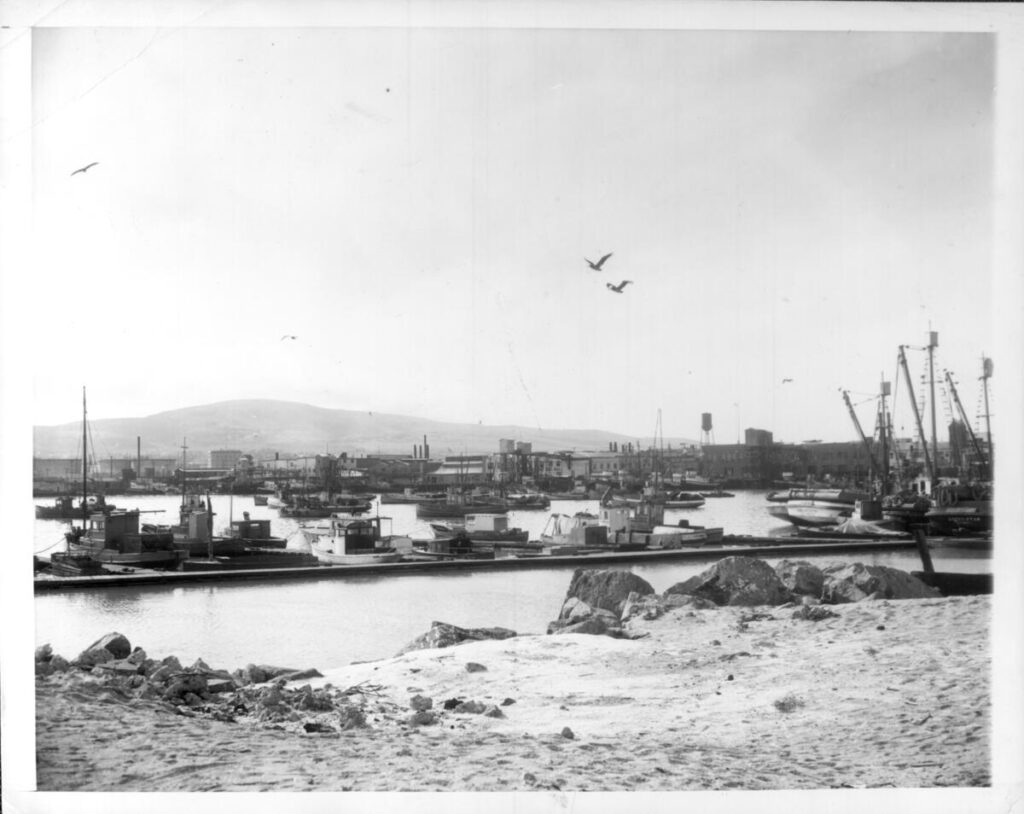
Today, thousands of containers pass through Terminal Island carrying goods between the U.S. and the rest of the world. Nearly every visible element speaks to movement: cargo arriving, ships departing, trucks crossing bridges, and products moving from one place to another.
Furusato tells a different story about movement—one that was coerced, racialized and made permanent through demolition.
The village is lost. But it did not simply vanish. It was taken.


Love you man, keep reporting please
Thank you for resurrecting historical Terminal Island. I didn’t know its history, but often wondered what existed there. I grew up in Belmont Shore in the 50s and 60s and we used to go to Pier Point Landing on occasion. Was it part of Terminal Island? I never knew its history either. I am so saddened by the erasing of other cultures then AND now.
What an amazing part of history you share Brian. I had no idea, but I’m definitely not surprised. Another example of bigotry and resentment towards people of color and in their belief that these people, their lives, their culture and their fortunes just didn’t matter to the ruling class. The Japanese were there to be used and to be destroyed.
Thanks for sharing this story. I had no idea.