

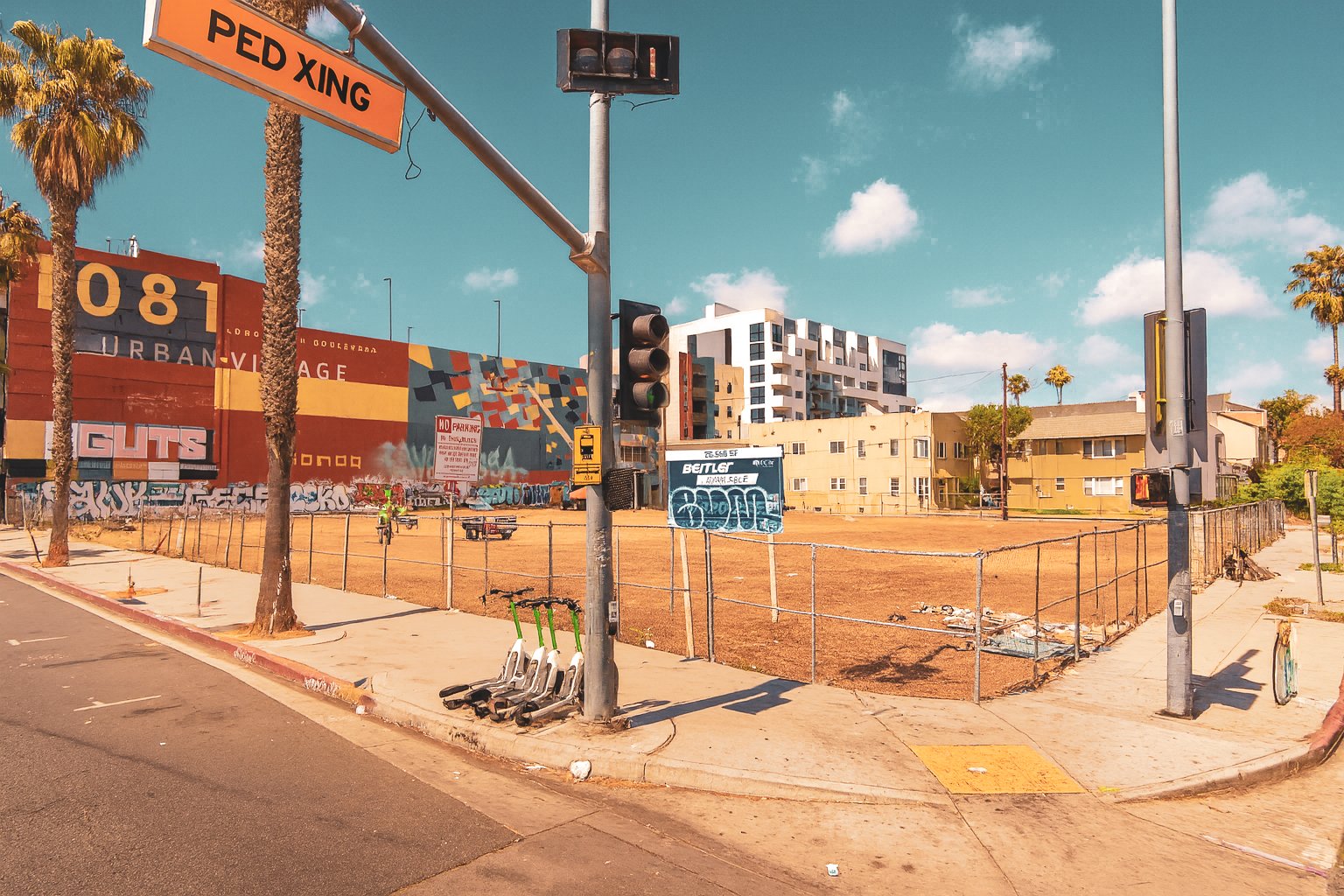
Los Angeles County has taken a major step toward expanding permanent affordable housing in Long Beach. It has approved the acquisition of a vacant parcel at 1101 Long Beach Boulevard for a future 160-unit development, as first reported by Urbanize LA.
On Nov. 12, the Los Angeles County Board of Supervisors authorized the purchase of the 0.65-acre site. It is part of the County’s CEO-Homeless Initiative Land Bank Pilot Program, a strategy designed to secure land in neighborhoods facing rapid gentrification and displacement before housing opportunities are lost. The property at 1101 Long Beach Blvd. previously housed an abandoned building. It caught fire in 2019 mid-demolition after its tenants were evicted. It was supposed to become a 120-unit market-rate housing development before its entitlement was lost.
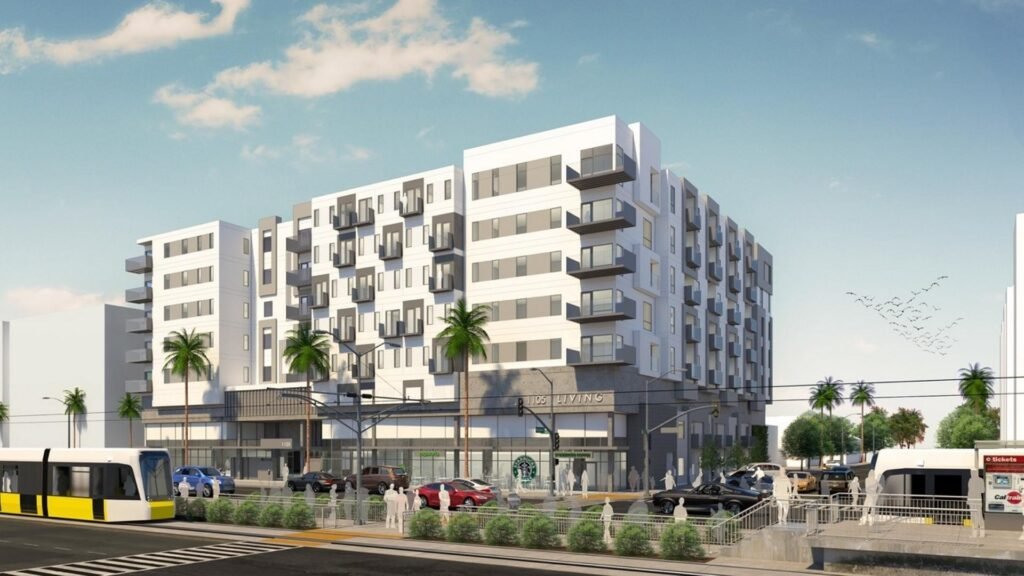
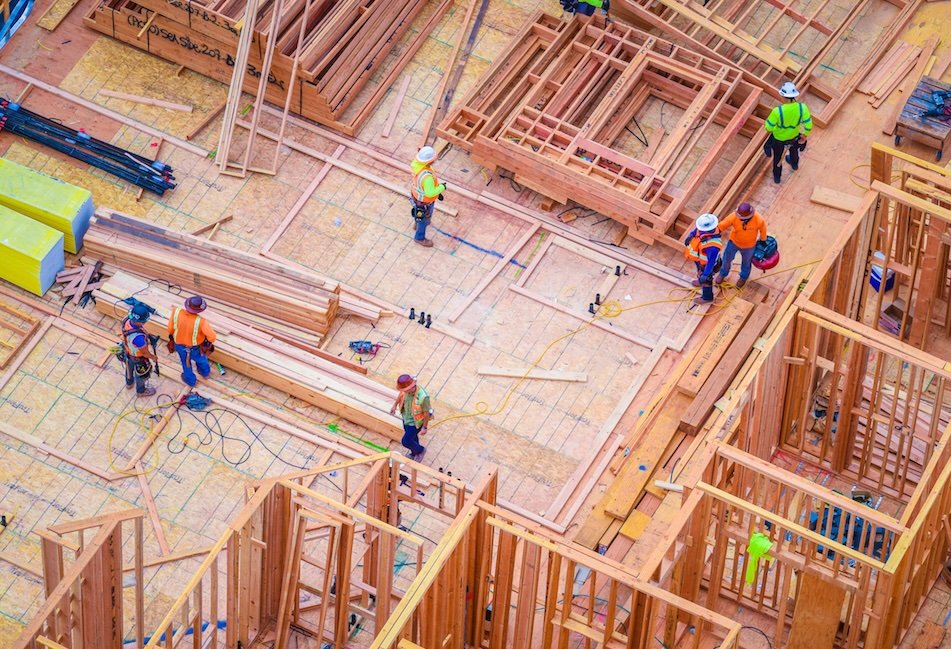
Construction is anticipated to take approximately 24 months, with work typical of a small urban infill site. The final building design and unit mix have not yet been determined. But the project is expected to include on-site management, minor landscaping, and low-level security lighting. Subsurface parking is not currently planned, and staging would largely occur on-site.
The acquisition marks an early phase of the project’s life cycle. Future actions by the County may include entering into an exclusive negotiating agreement with a development partner. Executing a long-term ground lease. And approving funding packages. Together, those steps would move the Long Beach Boulevard site from land banking to construction. And then it would transform a long-vacant parcel into one of Downtown Long Beach’s most significant new affordable housing developments.
What to expect from the project at 1101 Long Beach Blvd. And no, it will not be what was previously proposed.
Located directly along Long Beach Boulevard, the site sits within a Transit Priority Area. Or just 150 feet from the Anaheim Street Metro A Line station. County plans call for an approximately 90-foot-tall, fully affordable residential building with up to 160 units. It is to be built at a density of up to 5:1 floor-area ratio and with parking provided in accordance with city code. The project may also include 2,800 square feet of community-serving commercial space. And a 3,000-square-foot community room or amenity area, primarily intended for residents.
The property is c urrently an unpaved, graded vacant lot. It is zoned within the Downtown Planned Development (PD-30) area, which allows for residential construction. It is also designated as a City of Long Beach Housing Element site. Because more than 20% of the units will be affordable to lower-income households, the project qualifies as a by-right development under state housing law, streamlining its path forward.
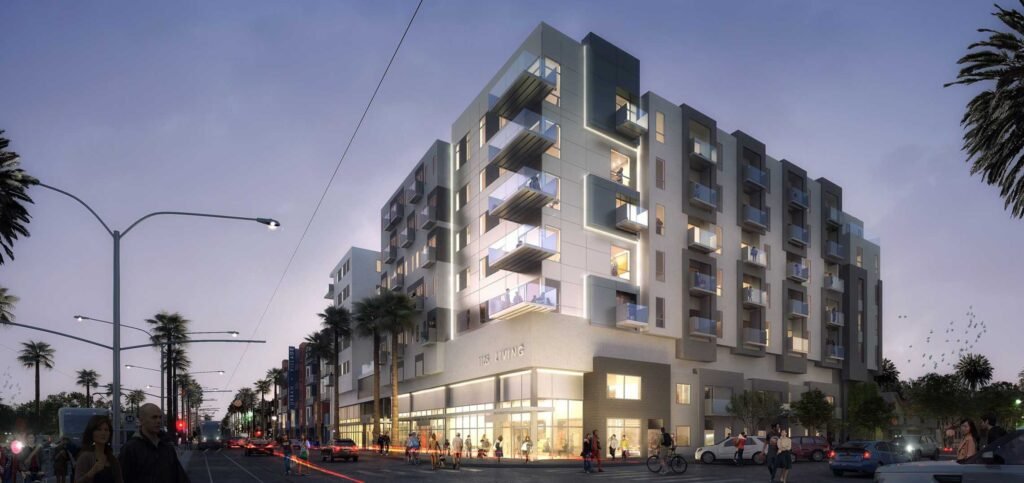
A failed 2018 proposal put forth a 120-unit development, pictured above.
Wait—what is the L.A. County Land Bank?
The Los Angeles County Land Bank was established as a strategic tool to help address one of the region’s most persistent challenges. And that is the growing gap between housing need and housing supply. By acquiring, holding, and repurposing vacant or underutilized properties—often those tied up in tax foreclosure or legal limbo—the Land Bank creates a pathway for land to be reused in ways that serve the public good rather than speculation.
Its core mission is to stabilize neighborhoods. Prevent blight. And prioritize development aligned with countywide goals, including affordable housing, community facilities, and economic resilience.
What sets the Los Angeles County Land Bank apart is its emphasis on long-term impact over short-term profit. Properties are strategically transferred to mission-driven developers, nonprofit organizations, or public agencies with the capacity to deliver housing that meets local needs, particularly for low-income residents and vulnerable populations.
In doing so, the Land Bank acts as both a safeguard and a catalyst—protecting land from market pressures while accelerating projects that might otherwise stall. As housing affordability and land scarcity continue to define life in Los Angeles County, the Land Bank represents a quiet but critical mechanism for reshaping how land is stewarded in the public interest.
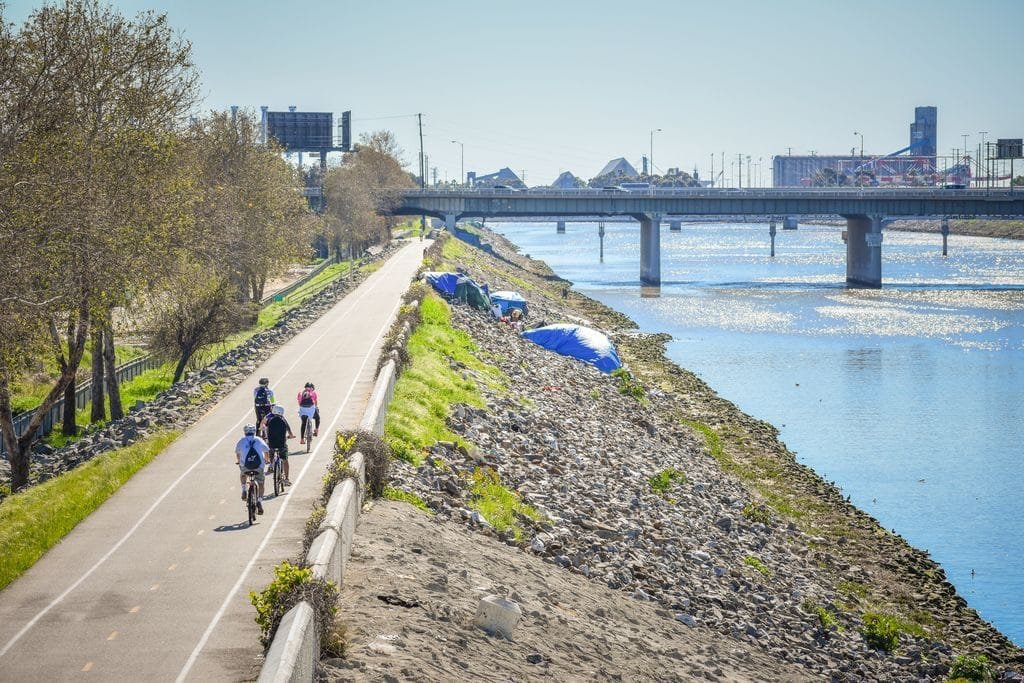
The homelessness crisis continues on—with projects like these hopeful to alleviate the stress.
County officials frame the project as a critical response to the region’s homelessness crisis. Affordable housing, particularly permanent supportive and deeply affordable units, is essential to helping people move out of shelters and into stable living situations. Without long-term housing options, shelters remain overburdened and individuals experiencing homelessness face prolonged instability. This development is intended to function as part of that long-term solution, providing residents with proximity to transit, services, and employment opportunities.
Homelessness in Los Angeles County rose sharply between 2016 and 2023, with the 2023 Greater Los Angeles Homeless Count identifying approximately 75,518 people experiencing homelessness countywide. While 2024 numbers remained largely flat, 2025 saw a modest 4% decrease to 72,308 people, including a 9.5% drop in unsheltered homelessness alongside an 8.5% increase in sheltered individuals. Despite representing roughly 25% of California’s population, Los Angeles County accounts for more than 40% of the state’s unhoused residents, prompting the Board of Supervisors to declare both a shelter crisis in 2018 and a countywide homelessness emergency in January 2023. By rapidly delivering permanent, affordable housing that helps people avoid or transition out of temporary shelters, this project directly responds to that emergency and qualifies for a CEQA emergency project exemption.



What is it? Affordable housing or homeless housing? Those are two distinct different forms of housing. Also, how much was this lot acquired for and from whom? I’m assuming this information is public.
Although I support the project, I think CEQA shouldn’t be skipped.