

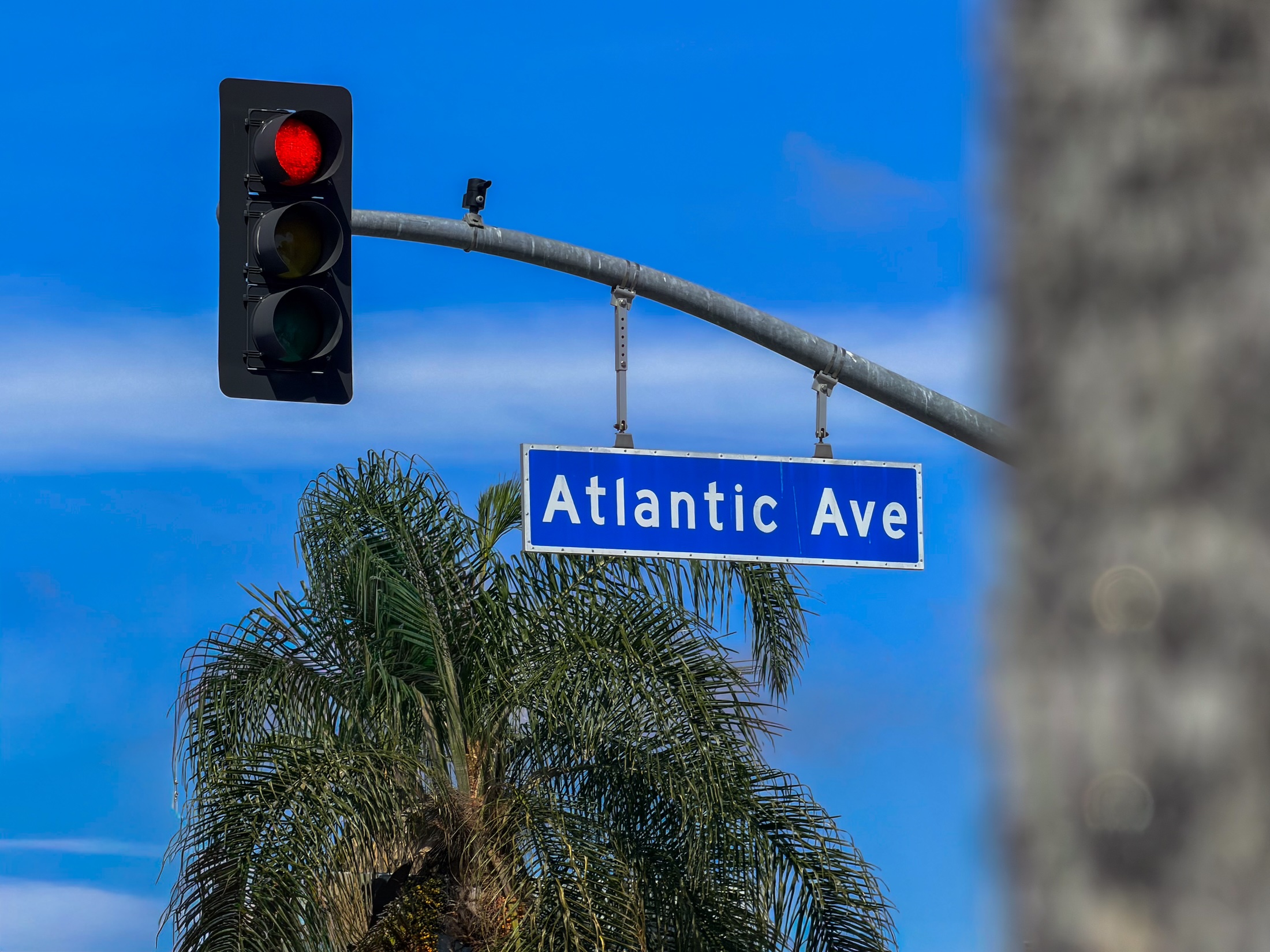
For decades, Atlantic Avenue through Uptown has carried the weight of promise. Vacant lots held for future development. Scattered storefronts that never quite formed a corridor. And former redevelopment parcels waiting for a second life.
Now, the City of Long Beach is trying to move that promise forward.
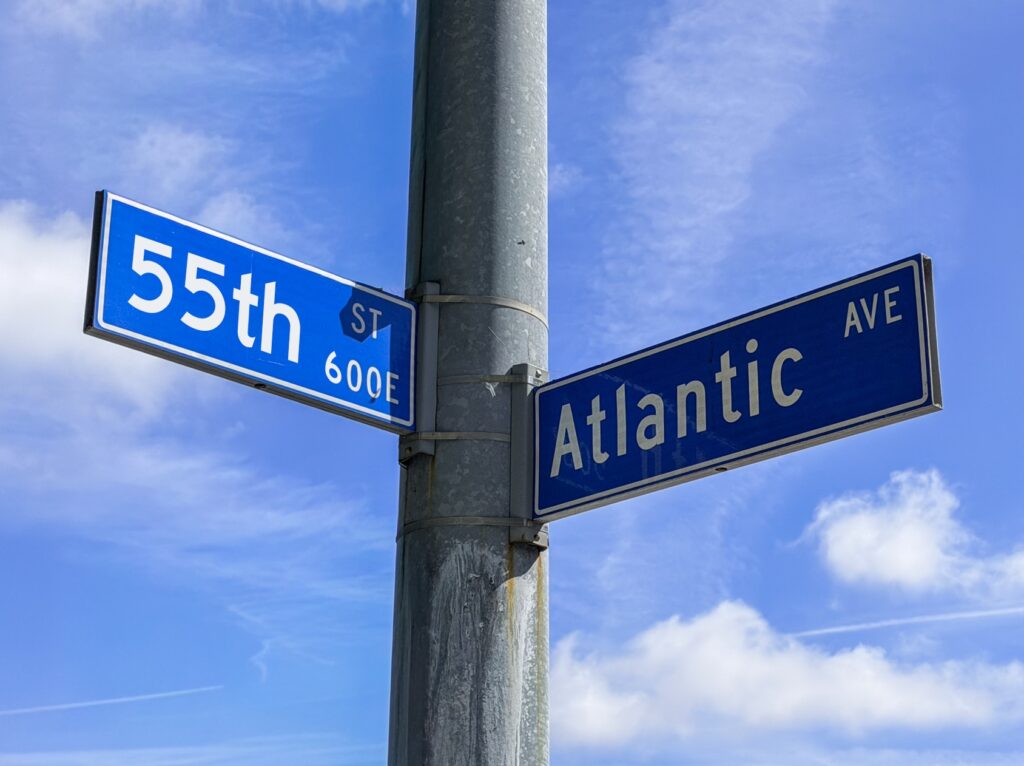
Develop, build, and activate: The Uptown plan for properties along Atlantic Avenue
Under a new effort branded “Develop, Build, and Activate,” Long Beach has put 11 city-owned parcels along Atlantic Avenue between 55th and 60th streets up for sale. It is land once controlled through redevelopment. And now, officials hope they will become something. Housing. Neighborhood retail. Restaurants. Baking facilities… The kind of street-level activity North Long Beach has often been told is coming, but rarely sees at scale.
The parcels span Council Districts 8 and 9. There are six sites clustered near 56th Street and five more near 59th Street, around the Michelle Obama Neighborhood Library. Together, their listed appraised value is $6,260,275.
But city officials are pitching something larger than a land sale. They’re looking for opportunities for new development, owner-user acquisition, investment, jobs, and neighborhood-serving retail and other activation uses.
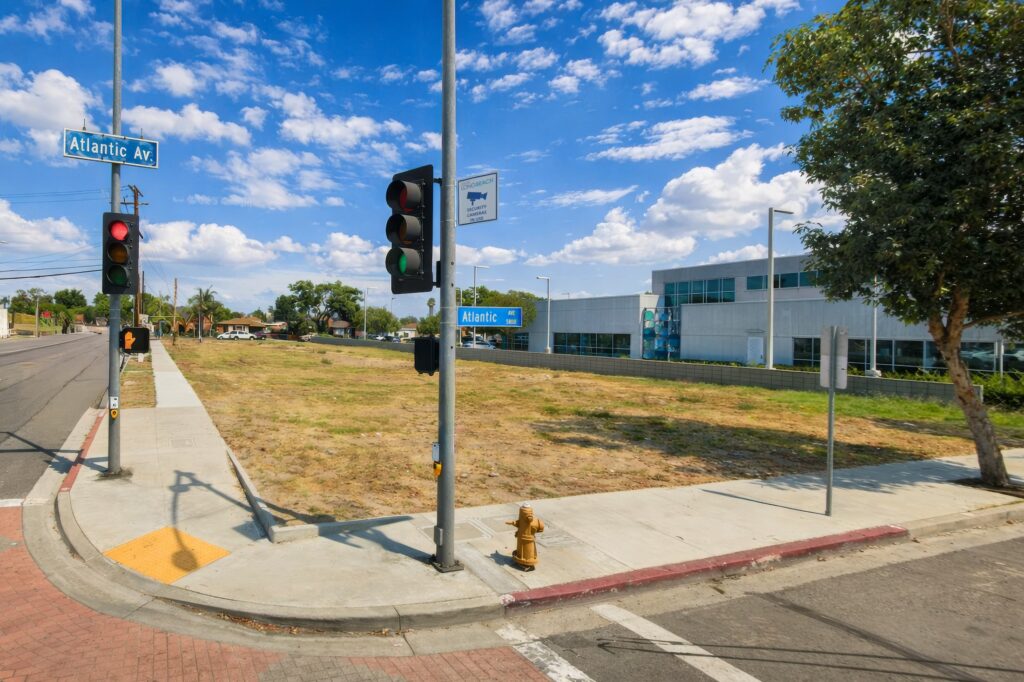
The deliberate attempt to stitch together properties across Atlantic Avenue in North Long Beach.
At March’s Uptown Development Day—held inside the library itself—staff framed the offering as a deliberate attempt to stitch together an avenue that has long functioned more as a collection of disconnected parcels than a coherent district. Their language was clear: Activation. Walkability. Housing. And neighborhood-serving uses that create life both day and night.
That means the city is not simply asking developers what they can build. It is signaling what kind of corridor it wants.
In District 9, where several vacant lots sit directly across from the library, officials emphasized “strategic placemaking.” Specifically, they called for projects that acknowledge the Michelle Obama courtyard as a civic anchor rather than treating the parcels as isolated development sites. The city’s presentation listed tons of options: specialty coffee shops. Sit-down restaurants. Teahouses. Family-oriented indoor gathering spaces. Wellness services. Small professional offices… These are just some examples of uses that would help create the kind of everyday neighborhood center Uptown still lacks.
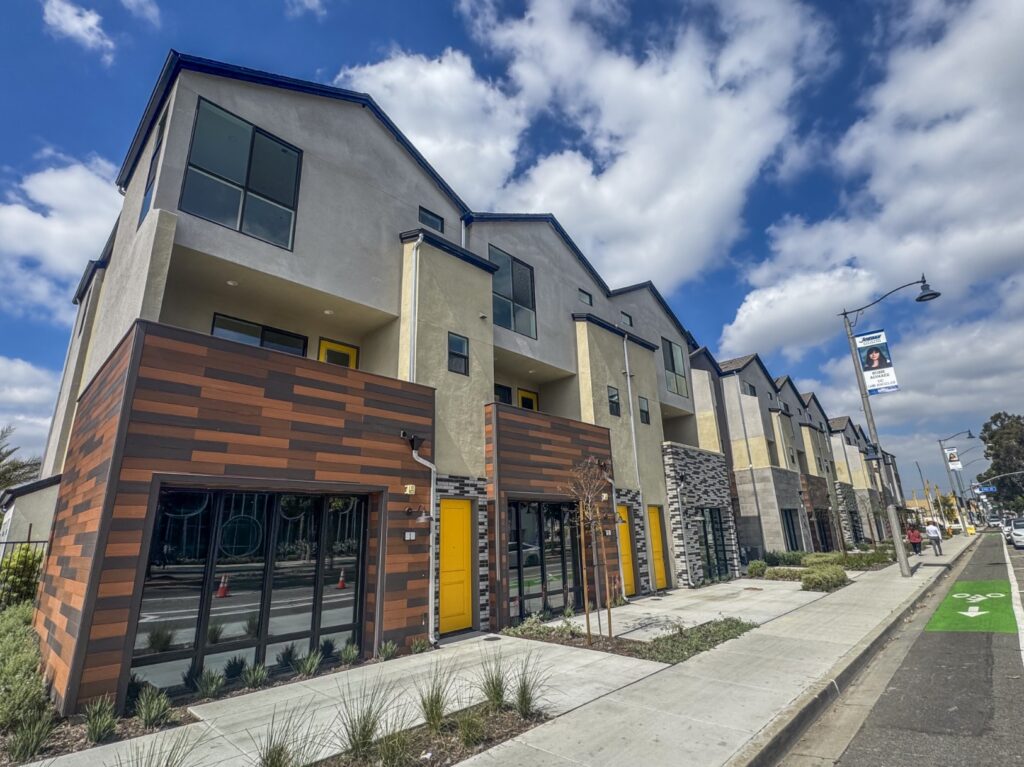
Housing is, of course, equally central in the selling of Atlantic Avenue properties.
City staff repeatedly stressed a need for market-rate residential development and homeownership opportunities, while stopping short of favoring rental or ownership models outright. In the FAQ distributed to interested developers, officials said all residential formats would be considered, though they acknowledged strong demand for ownership in the area.
All 11 parcels are currently limited to three stories under existing zoning, though projects including affordable housing could qualify for additional height through density bonus provisions.
In District 8, the available sites reflect a different kind of challenge: not open land alone, but fragments of older commercial fabric.
There is a vacant lot at 5564 Atlantic, several empty former storefronts, and a handful of small commercial buildings, including 5616–5618 Atlantic, where a month-to-month tenant—Sam’s T-Shirts—still operates inside one of the structures. The largest District 8 site, 5641–5649 Atlantic, offers more than 12,000 square feet of vacant land and may be one of the few parcels large enough to meaningfully reshape part of the block if sold with adjacent lots.
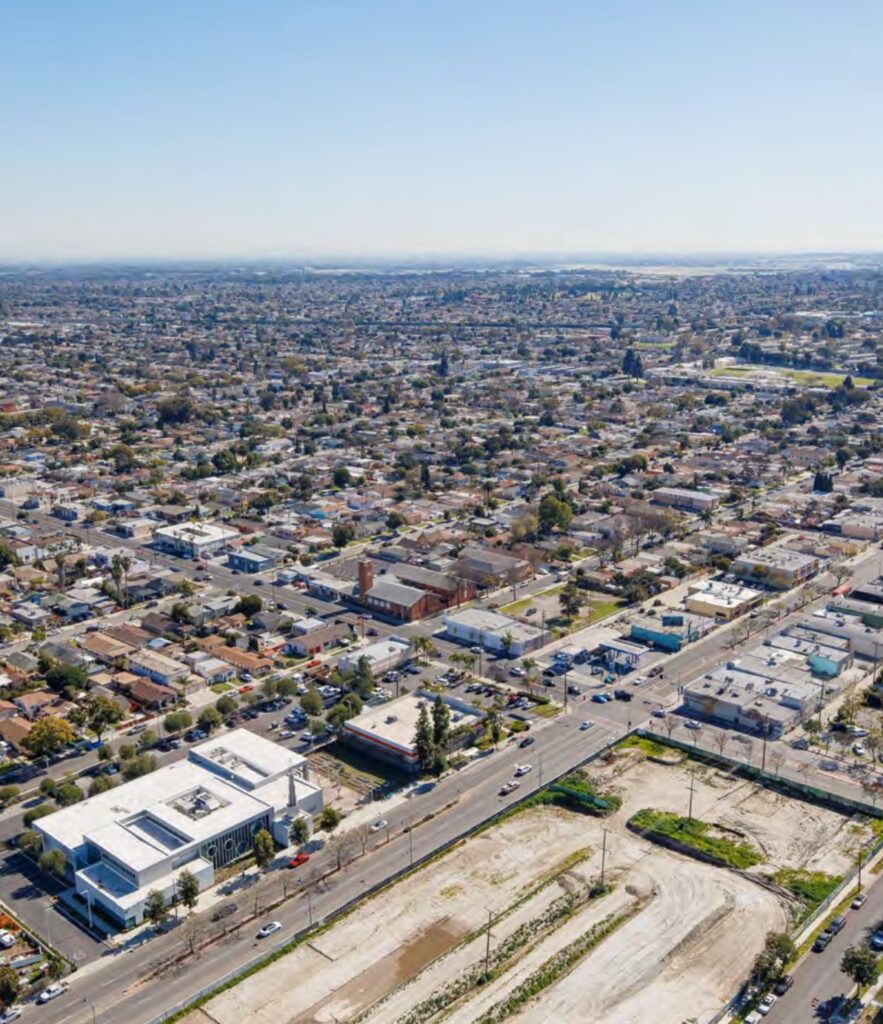
Flexible but limited: How the City of Long Beach can approach the sales.
The city is allowing flexibility in how parcels are purchased: individually, grouped together, or as a larger portfolio. That matters because no single lot, on its own, necessarily solves Atlantic’s long-standing problem of fragmented frontage.
Still, the city’s control over what happens next has limits.
Because these are former redevelopment properties, Long Beach is required under state dissolution law to sell them and report the transactions back to California. Officials made clear they are not open to retaining ownership or pursuing long-term land leases with private operators.
Every parcel also comes with restrictions: surplus land covenants, setback requirements, possible lot mergers, dedications, and—in some cases—inclusionary housing obligations. Buyers can conduct ordinary due diligence, but the city says it will not allow extended escrow periods solely to allow developers to secure entitlements before closing.
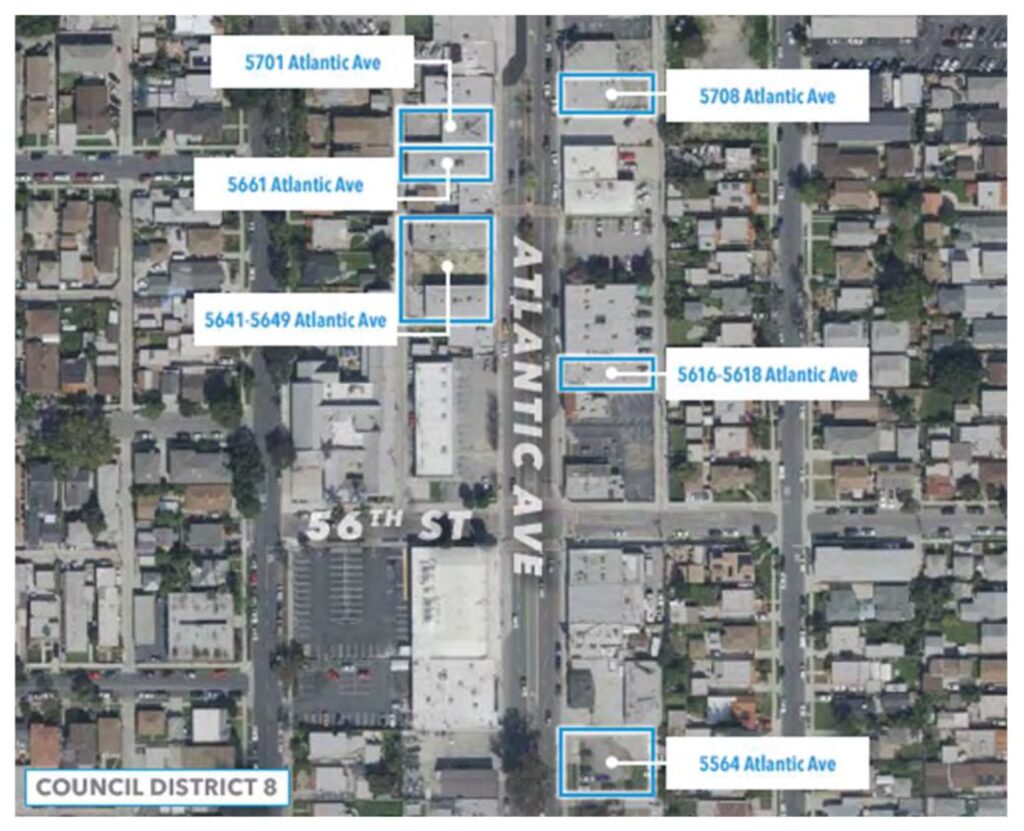
What the city does have is momentum nearby—and it is using that to argue Atlantic is no longer speculative.
Officials pointed to Uptown Commons at Atlantic and Artesia, the former redevelopment parcel, which was transformed into a mixed-use retail center completed in 2020. They also highlighted the $44M Artesia Great Boulevard improvements, the recent expansion at Houghton Park, and ongoing residential development nearby, including Rhythm by KB Home and the townhouse project across from the library.
Also underway in the area is development of a new affordable housing and outreach center for Long Beach City College students to be located on Atlantic at the southeast corner of 59th Street.
Just north of the corridor, another former city-held site at 6101 Atlantic is also being reconsidered, with plans now proposing a 16,000-square-foot grocery store—one of the clearest signals yet that the city sees Atlantic as an emerging commercial corridor rather than a series of unrelated projects.
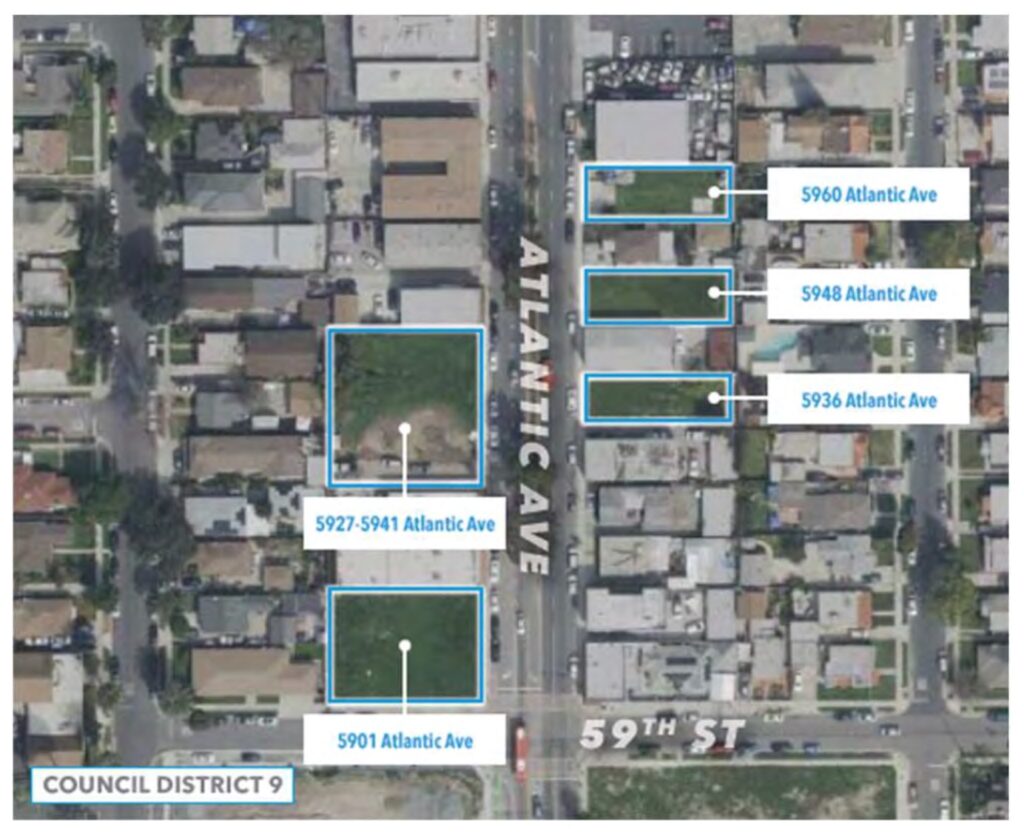
That, ultimately, is the wager behind this sale: that enough surrounding public investment now exists to make these parcels attractive—and that private development can finally deliver the continuity Atlantic Avenue and the Uptown area has lacked for years.
Whether that results in thoughtful infill or another patchwork of disconnected projects will depend on who buys first.
Who’s ready to join the Uptown movement? The City is looking for Long Beach and surrounding area restaurateurs, retailers, visionary and creative developers who are ready to open up shop.
I’m interested—who do I contact?
Simple: contact one of these two brokers. The deadline to submit proposals is Tuesday, April 21, 2026.
- Noel Aguirre: Principal | DRE LIC 01263417 naguirre@leelalb.com 562.354.2526
- Sean Lieppman CCIM: Principal | DRE LIC 01905266 slieppman@leelalb.com 562.354.2528
This is a paid collaboration between the City of Long Beach’s Economic Development Department and Longbeachize.



This is mind boggling. The city intends to stitch together a neighborhood by offering properties for sale?
If they are serious, they would make the investment themselves. But, because they have incurred and $80 million dollar deficit, they expect others to pay and build.
And look at the constraints they will impose along the way. Good luck, I dont see this coming together.
Paid placement?
Yes, it is stated at the end of the article.
And what exactly is going to happen if all that busy street front property becomes housing and there is absolutely no businesses to support it? Currently there is not a single market within walking distance of new development at Atlantic and South. Also, some of us truly resent the rebranding. It is and always should be North Long Beach.