
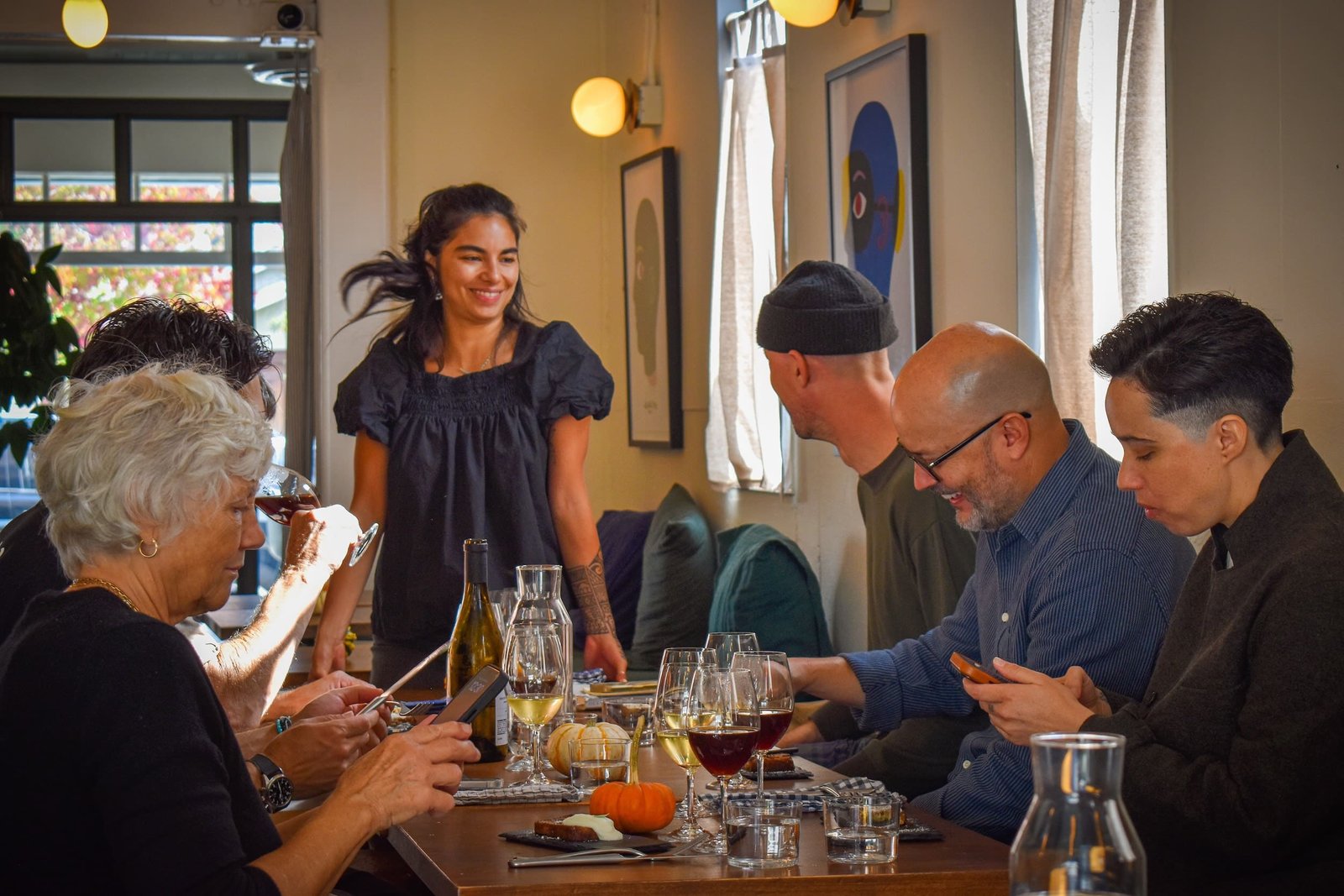
Casual Long Beach restaurants are, well, going through it.
Lucky Chopsticks—the absurdly affordable fast-casual Chinese space in West Long Beach—is closing. At least for now, as owner Hang Bui puts it, when she says the closure is “temporary while we focus on our Cypress location due to unforeseen circumstances. This was a difficult decision for us, but one we had to make at this time.”
Lucky isn’t the only fast-casual space that is falling in a world where even fast food is losing its low-income customers severely—10% for McDonald’s alone. From local brand expansions, like Los Angeles-based Yang Chow 2.0, San Diego-based Adalberto’s, or Long Beach-based Ubuntu’s second location… To chains, like Johnny Rockets and Chile Verde… Even the Los Angeles Times had to publish a depressing “here are over 100 restaurants that closed in 2025” list.

“It was wild,” said Aldaberto’s owner, Adrian Davila, when he suddenly shuttered his 7th Street location after bringing the San Diego staple to Long Beach for the first time. “One day we would be slammed, the next absolutely empty. That kind of fluctuation makes everything difficult, from staffing to ordering product.” And that, in turn, makes the customer experience uneven at best.
Again, Adrian is not alone: Karla Montesinos of Los Reyes—the underrated Mexican gem that is about as affordable as it gets—outright said, “If 2026 is like 2025, we likely won’t remain open.”
But this isn’t just fast-casual spaces like Lucky or Adalberto’s. Mid-tier restaurants—from newbies like Sans & Wolves to staples to even massively-backed brands like Solita in DTLB—are feeling the impact the most.
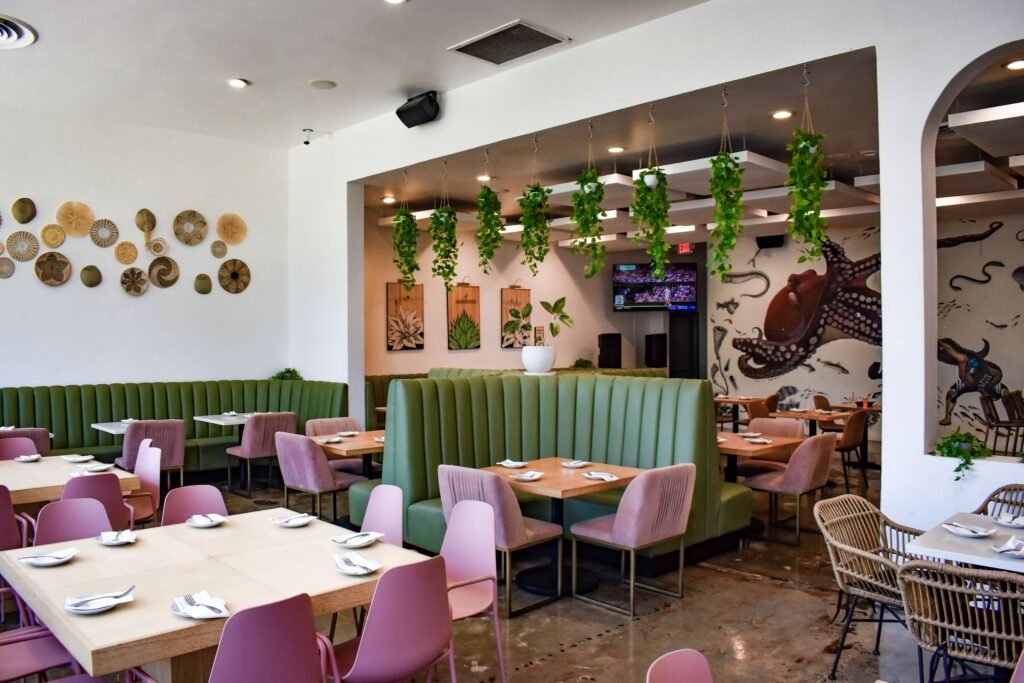
Long Beach casual restaurants are doing everything they can to stay afloat, from cutting hours and shifts to streamlining menus.
“2025 was tough for us at El Barrio,” said co-owner and chef Ulises Pineda-Alfaro. “We got to see it in full effect once the ICE raids started happening. The economy came to a standstill. People might ask, ‘Why?’ Well, because immigrants make the U.S. dollar flow for everyday people—especially in the food industry.”
From creating an insanely valuable all-you-can-eat Taco Tuesday special to a bluntly-put-but-smirk-inducing “recession menu,” Chef Ulises joins multiple restaurateurs that are cutting hours, both operating and staff-wise. Cutting menu items.
“Streamlining everything as a whole was our most significant change by the end of the year,” Chef Ulises said. “Just trying to maximize at our peaks and cut at our lows. Servers are now down to one or two shifts a week. Before? Three to four. Running a tighter schedule to keep the lights on. Saving every penny… And the uncertainty we lived in 2025 was the main reason why I feel people didn’t go out as much.”
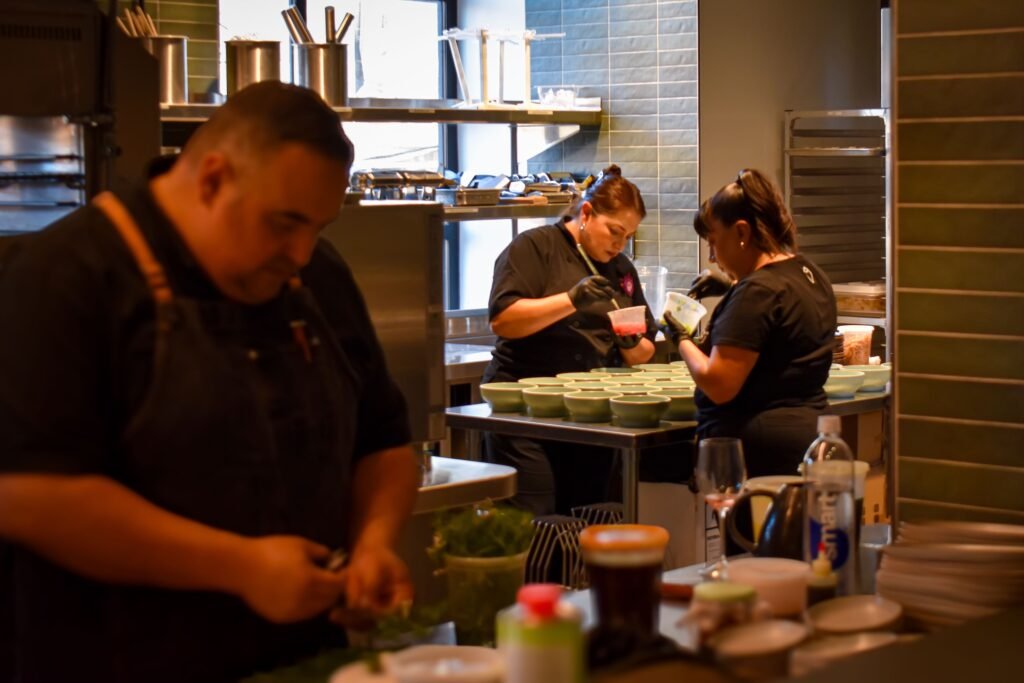
A prideful sense of embarrassment: some Long Beach casual restaurants do not want to admit struggle, let alone defeat.
“The mom and pop neighborhood joints are struggling,” Chef Luis Navarro of Lola’s and The Social List said. “We are struggling. These are the spots that hold communities together. And, to be honest, we are in real danger of disappearing.”
The struggle is often to the point of outright embarrassment, fueled by pride. One example of such a restaurant—a stellar example of quality food, mid-range pricing, and talent both front-facing and in the back of house—is one I am personally attached to. Privately, I collaborated with another food community advocate to figure out how we can help them on the backend with some crucial infrastructural things. We were set to go, hoping to launch a GoFundMe to garner community support.
And then, a rightful albeit disappointing response from the owner, whom I deeply care for: “To be honest, after talking, we’re embarrassed and don’t want people to know our situation. We don’t want them to see us defeated. And even less do we want anyone else to know what we’re going through.”

$200-per-person dinners are constantly selling out—but most of those sweet, mid-range Long Beach restaurants aren’t making it.
If one were to scroll through OpenTable this past NYE, one would see a stark contrast: high-end places like Sky Room and Heritage were entirely sold out while quality mid-range places like Selva, Ellie’s, Bar Becky, Viaje… All wide open.
“Gotta roll with the punches, but this is the slowest NYE we have had since we opened,” said Ellie’s owner and chef Jason Witzl. “We turned away over a 100 people last year… I know a lot of Long Beach restaurants hanging on by a thread.”
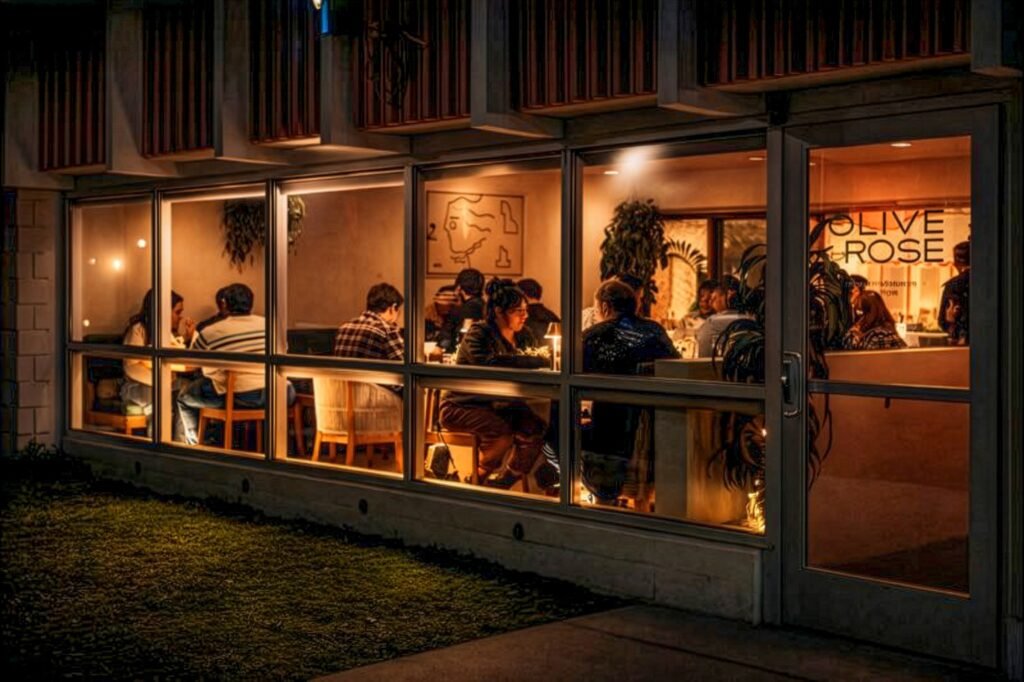
That very juxtaposition—$500 dinners for a single couple versus quality, albeit far less luxurious meals at, say, $75 per person, with both offering prix fixe, multi-course menus—is defined by what economists bluntly call a “rich person’s economy.” And that isn’t good for any of the mid-tier food offerings. It prompted Olive & Rose—Chef Philip Pretty’s much more casual sister to his Michelin-starred Heritage—to shutter its stellar lunch offerings quietly. It prompted multiple venues—from The Social List to Bar Becky—to close entirely on Mondays, Tuesdays, or both. And like Chef Ulises noted, it has caused havoc for employees with less shifts, smaller tips, and the need to work at multiple spaces every week.
As first noted by the Wall Street Journal in early 2025 and later corroborated by a U.S. consumer report in December of that year, we are indeed in a rich folk economy. The top 10% of earners—those making more than $250K per year? They account for 49.2% of all consumer spending—up over 6% from 2020 and far beyond the rate of inflation. From luxury hotel brands—revenue at brands including Four Seasons, Ritz-Carlton and St. Regis were up 2.9% in 2025—
It also means one heavy truth: mediocrity will be scrutinized more than ever.
But many consumers—especially those not in the top 10% of earners—are spending money on those $200-per-person dinners. Why? They feel a guaranteed sense of worthiness, according to Alex Susskind, a professor of food and beverage management at Cornell.
One can look at national trends to see how it can be applied locally: TGI Fridays filed for bankruptcy in November of 2024 while Buca di Beppo did so in August of the same year. Denny’s announced in October of 2024 that it would be closing 150 locations. Applebee’s is in the midst of closing dozens of locations.

How is this translated locally? Mediocrity is being more scrutinized than ever.
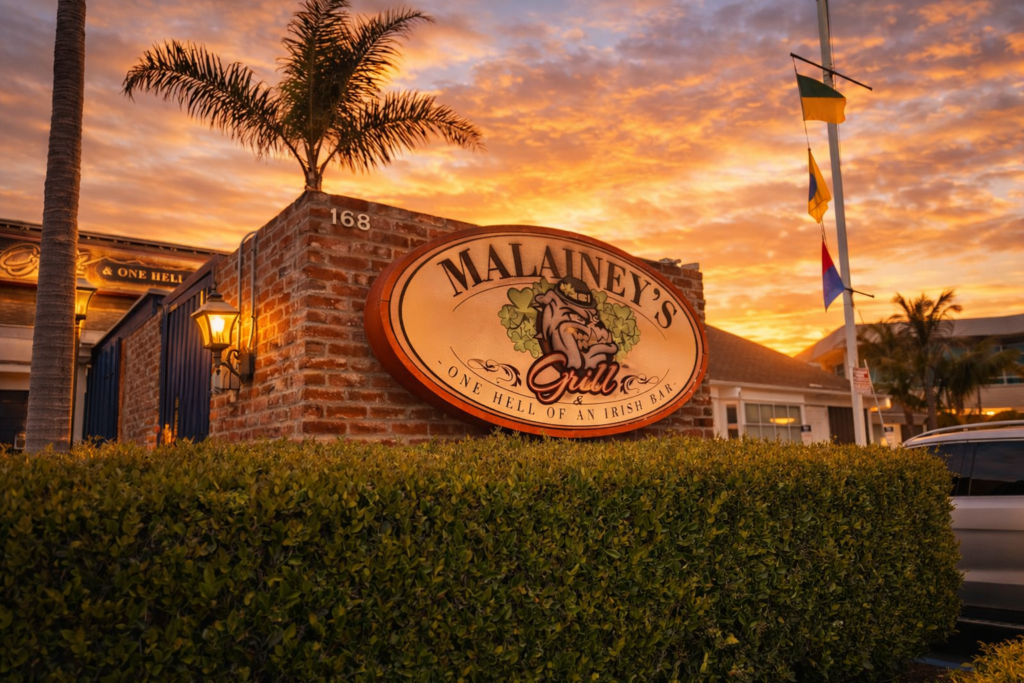
Take a look at Malainey’s shuttering: There is the frankness that the basic, un-chef-oriented, $15 Sysco-bought frozen-beef patty burgers are no longer as appealing as they once were. Diners understand rising food costs more and more. But also, very importantly, they don’t understand a lack of quality more and more, even if they are not savvy on industry operational specifics.
The real reason George’s Greek Cafe closed in DTLB versus the one in the Shore remaining open? Mediocrity. Bad service and hospitality. And bad management.
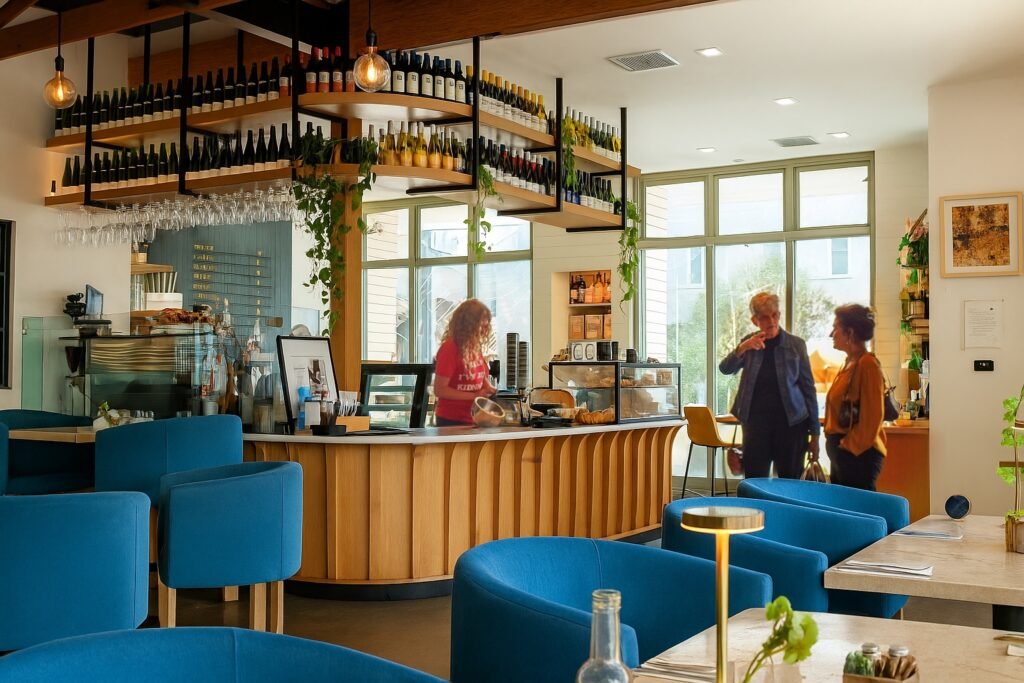
Patronage at Long Beach casual restaurants will be more important than ever this year—as will the need for the industry to support one another.
“Yes, I think all restaurants have a huge challenge ahead in 2026 and we really need to dig deep,” said Alder & Sage owner Kerstin Kansteiner, noting the trauma movement past the pandemic, rising costs, and, echoing Chef Ulises, “an anxiety from the community in general on what’s gonna happen and how much money they have to spend for what almost seems like a frivolous luxury: to go out to dinner.”
But she is also hopeful: Joining her new head chef, Matthew Roberts, they are honing their skills. A new evening dinner menu dubbed “Family & Friends,” which is an “approachable menu, and we’re hoping for the community to come out and join together” when it starts, likely in March. And a focus on customer service, which Kerstin rightfully considers an industry-wide concern: “This is an opportunity even though it can be called a challenge, but we all need to be better and take every single guest very, very seriously.”
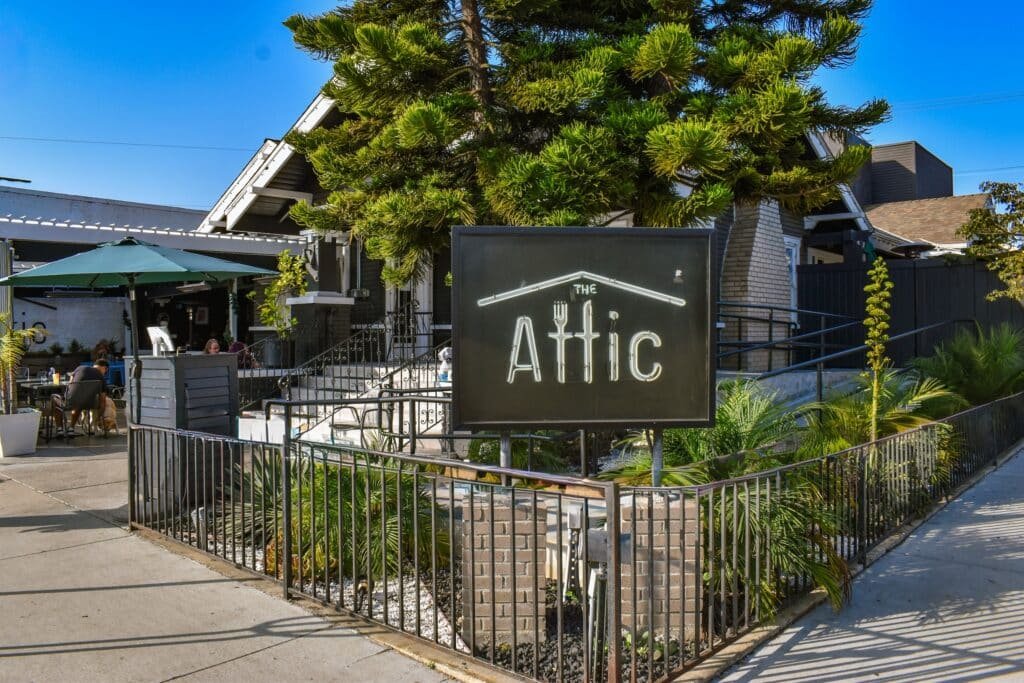
Iano Dovi, The Attic’s admirable and amicable general manager, talks of his own writings across 2025 that have been a blur of ideas focused on how to better not just his own little circle of staff and operations but the entirety of the Long Beach hospitality scene.
“Since 2020 it’s been an environment that operators have had to become insanely adaptable,” Iano said. “Everyone’s had to pivot—across multiple lanes—and those that can’t adapt are going to have a truly challenging time. This year must be centered on community and taking care of each other. Having some grace. It’s been a big conversation behind the scenes. I love my industry and this city so much. I just want to see people get out of this year okay.”
Can we get an amen? Now go to a restaurant if you can. Or study happy hour menus to save. Or just stop by for the cheapest beer on hand. Whatever you can do, do it.



We try to support Long Beach restaurants in walking distance from our home- La Parolaccia and Riveras are our favorites places. We still miss Prime and Kafe Neo and dinner service at Crooked Duck. Another favorite place also closed recently in Los Alamitos, the brewpub by Ganahl. The best hamburger ever. I will miss it forever.
Sadly, the overall appeal of dining in Long Beach has shattered. Between crime, roaming drug addicts, road conditions, parking and looking rundown —turns people away.
nope.
Well, would the moderator even allow a point to the positive or negative on your point of view, so that people can make their own informed decisions?
I felt like I was reading a communist newspaper when this article about restaurants starting criticizing high end restaurants.
Offer a quality product, charge a reasonable price, and the world will beat a path to your door. Look at Gusto, a basic small bakery offering top quality bread at a premium price and it is lined up all the time.
Quality and value is the key. Rich people will always flock to extremely expensive restaurants, for restaurants like you profile, they must cater to their base, and manage their business effectively and cut all waste relentlessly, otherwise, their costs will eat them up.
There’s literally links to pieces I wrote to each of the high-end restaurants mentioned praising them. Get some internet literacy before you start calling things others things you do not really know about—like ‘communist.’
Brian Addison, you are a communist, case closed, you cannot allow alternate points of view, it seems.
You keep saying that word but I am not sure you understand what it actually means…
You are such a loser communist that you cannot post an opposite point of view.
Appreciate the read, sir! Have a blessed day. God is good.
It is a sign of intelligence to allow conversation over different points of view, but pure devotion to communism explains your moderation.
Would you define communism for the rest of us here?
Thank you Brian Addison for your fact-based information. Let’s do our best to focus on supporting our community businesses. God bless.