
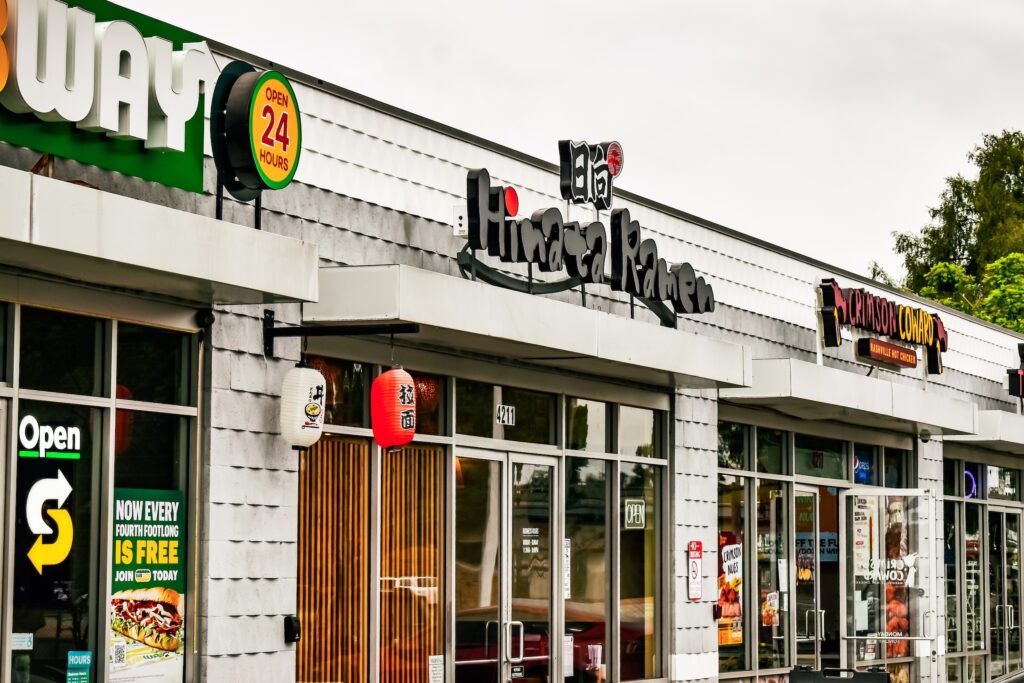
Long Beach’s ramen scene has exploded across the past several years, with some earning Michelin recognition—we see you, HiroNori—and others disappearing—Great Tiger Ramen came and went. And speaking of Great Tiger Ramen, that is where the tale of Hinata Ramen, East Long Beach’s hidden Japanese-meets-Chinese gem, begins.
After all, Hinata sits in the very space Great Tiger once occupied. Owner Paul Lee had high hopes for the space, but faced an intense reality after its head chef left: Great Tiger Ramen was that chef‘s ramen. Ramen, after all, is deeply coded to its creator with nuance.
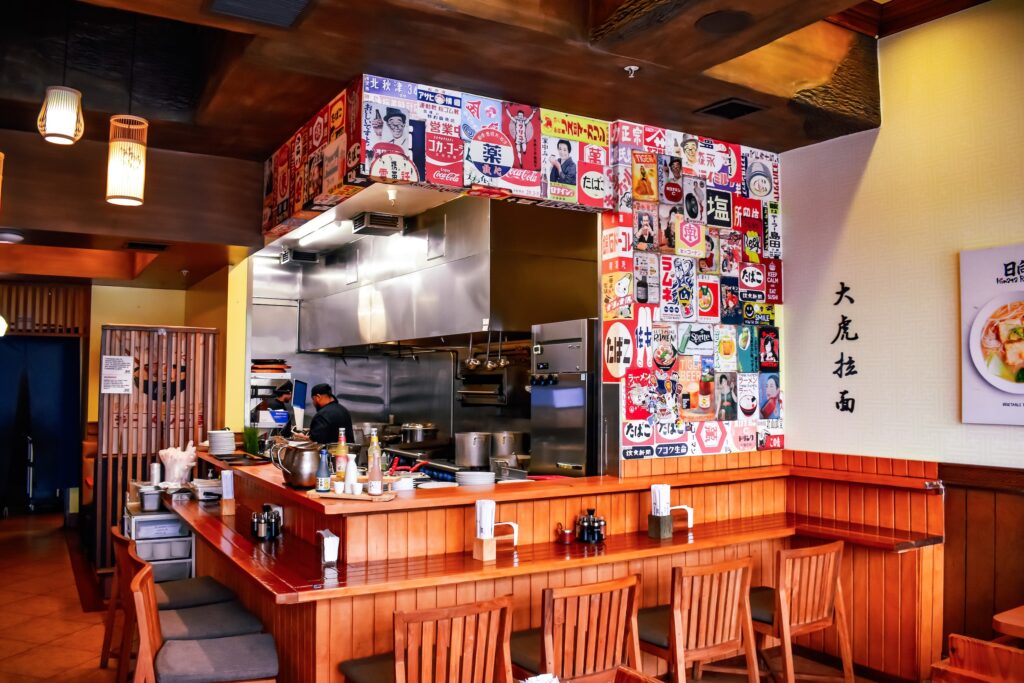
“We didn’t feel comfortable continuing to tell the community we’re Great Tiger when we’re not,” Paul said. “It’s a source of pride for us that we are honest and transparent with the community, as well as ourselves. And that meant giving Chef Leo [Hengky] a space that is also his, highlighting his approach to ramen and food… We’re in this transition and, if I can be honest, we’re just really hoping the community gets its.”
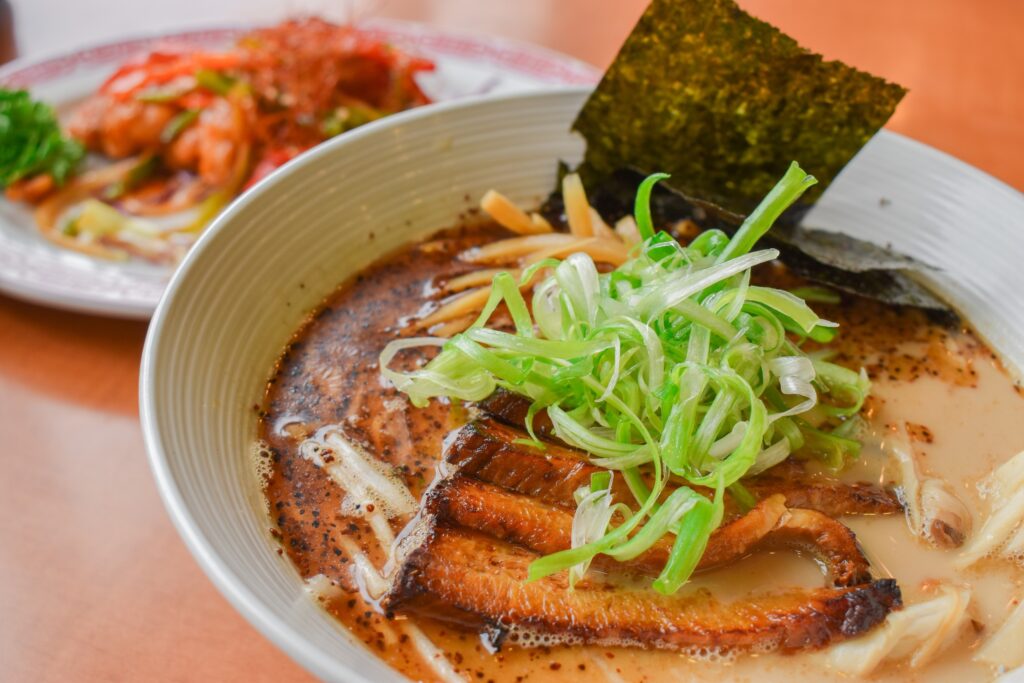
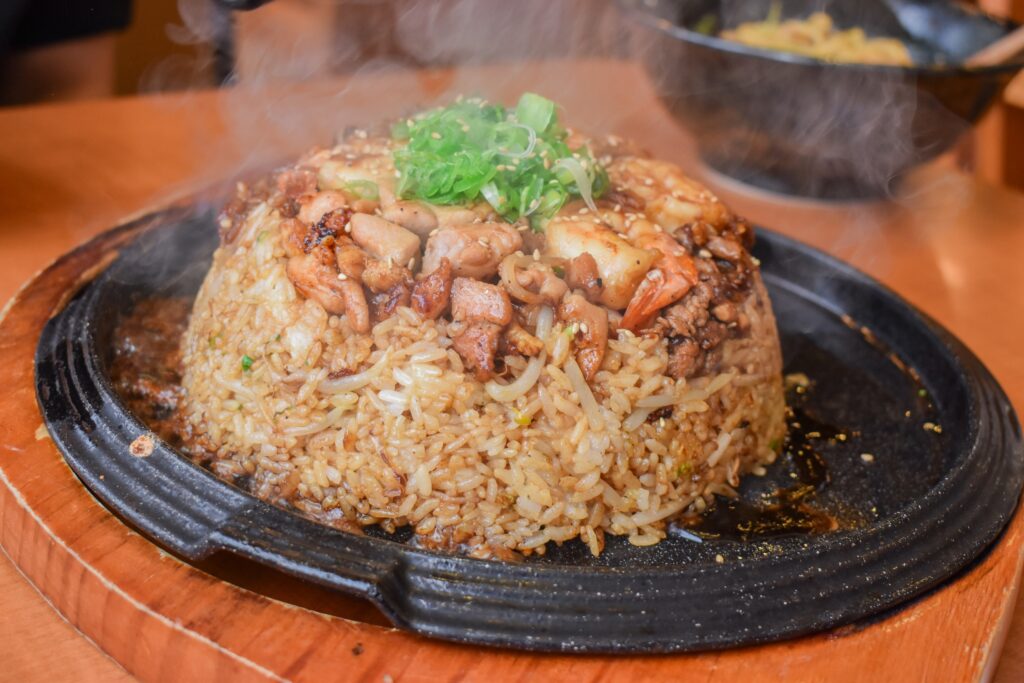
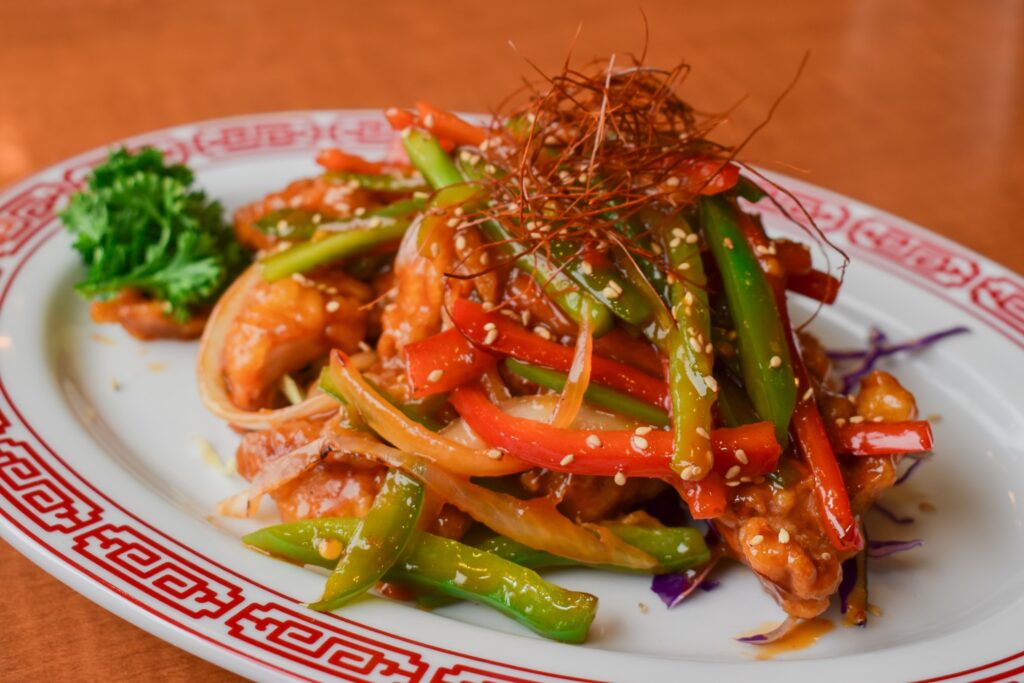
With its smoke-tinged beauty of a broth filled with the collagen of everything from pig trotters to pig head, one would be hard-pressed to believe the community won’t get it. And it goes beyond the ramen (which includes the city’s best tsukemen). From stellar hibachi fried rice and gorgeous odes to Chef Leo’s Taiwanese heritage—including a spicy sesame chicken dish—Chef Leo’s food is wonderfully individualistic and unique in a world of ramen that feels all too ubiquitous and redundant.
Hinata Ramen is the story of an immigrant’s very American ambition
Chef Leo Hengky—joined by his brother Rico, whom you’ll find in the kitchen as well, making Hinata a full-on family affair—has been in the ramen and sushi business for over a decade. From his roots in Taiwan—splitting his heritage between Chinese and Japanese roots—the chef has found work at places ranging from Australia to Huntington Beach, where he and his brother owned a ramen shop for years before shuttering due to the pandemic.
“We’ve constantly been searching for our next space,” Chef Leo said. “Not just for ourselves but for our family: We are here every morning and every hour across the day, making it hard to focus on anything else—let alone go back to Taiwan to visit. But we truly want to create something special for Long Beach.”
The creation of Hinata was, indeed, serendipitous: Having previously worked together, Paul needed a chef. And Chef Leo needed a kitchen, solidifying an already-existing relationship into what we can now call Hinata Ramen. And it’s rather difficult to miss the metaphor in the name: “hinata” means a sunny place or a the sensation of sun-basking.
“Ramen always has this way of calling me back,” Chef Leo said. “And every chef’s ramen is uniquely theirs. There are differing ways—down to the bones that are used and where you are located in the world—that define any given ramen. This one, I am proud to say, is distinctly mine. And when people come in, I want them to experience ramen that isn’t like any other they’ve had in a space that feels like the warmth of the sun. Or the reminder of a good memory.”
Smoke and umami entwine with the food of Chef Leo Hengky beautifully…
Chef Leo’s food has a deep love of both smoke and umami, each defining the creation of many of his dishes.
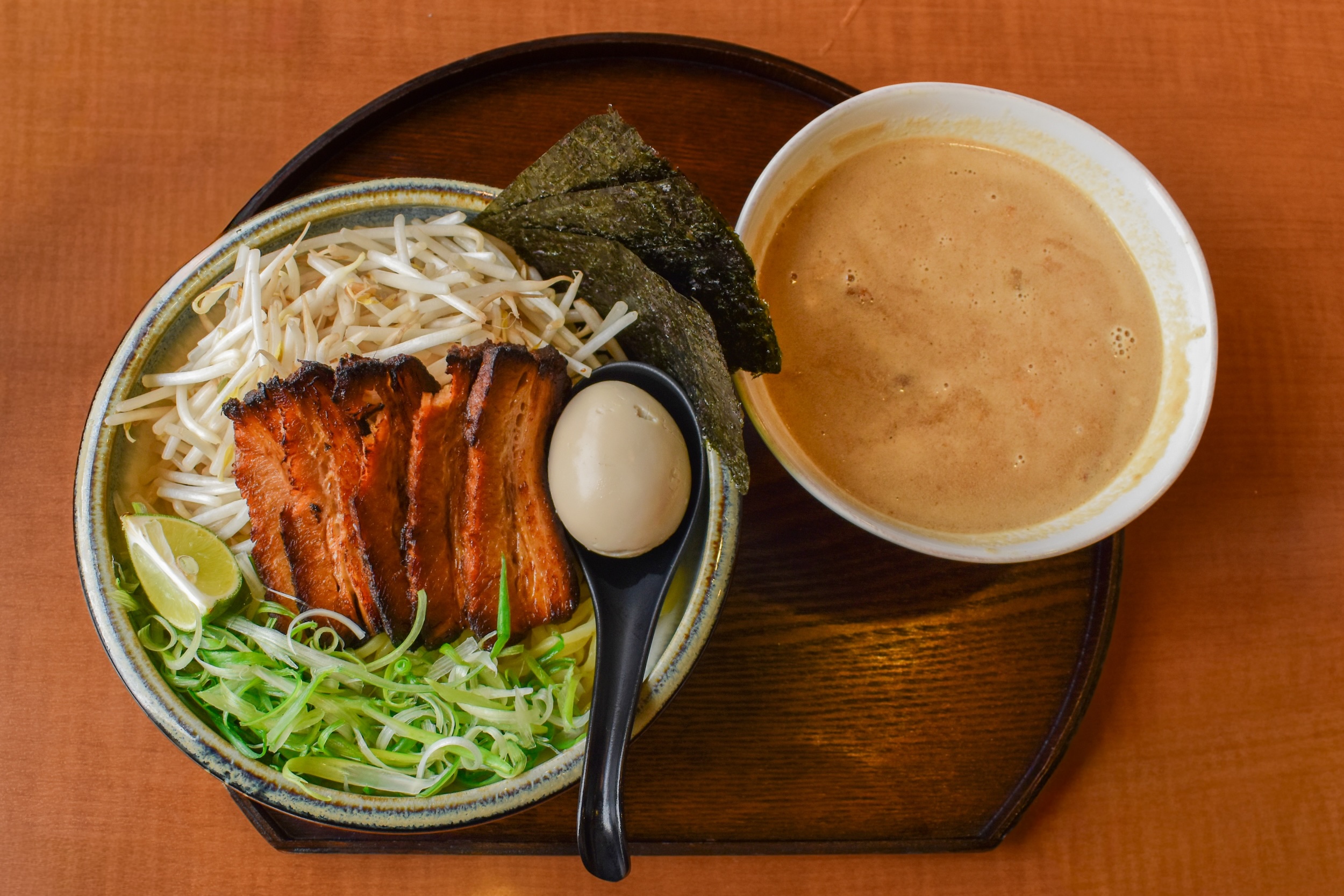
For the ramen, his love of smokiness beautifully infuses the core of his broth. And the edges of his braised’n’charred chashu, where burnt brims of sliced pork belly double the depth of the broth. Which, yes, many will go classic and traditional with their order. But his tsukemen? Easily the best dipping noodle in Long Beach, letting you explore this smokiness with remarkable subtlety. Take a sliver of the chashu, wrap the thick noodles around it, and dip into the broth for the first hit. Then construct your combos: Add the creaminess of a marinated soft-boiled egg. The watery crisp of bean sprouts. The understated bite of green onion. The umami of nori. It’s, simply put, a delicious dish.
And when it comes to umami—bits of which are found in nearly everything—there is no greater way to experience it than through his mazemen. Ground pork serves as the base of this brothless noodle dish, layered with fish powder, nori, and egg yolk to create an outright umami bomb. Add fried shallots and chives for textural crisp and earthiness…
Add to this their (very un-Japanese) spicy ramen—a distinctly Californian desire that Chef Leo offers with pride and immense heat—that makes Ramen Hub’s middling ramen even more, well, middling… Or their genuinely solid chicken ramen made with a salty, clear broth of chicken breast, and you have many reasons to confidently understand Hinata is unlike any other ramen shop in Long Beach.
A look into some highlights from Hinata Ramen’s menu…
Smokey. Umami. Savory. Undeniably well-crafted. Here are some of my favorite bites at Hinata Ramen in Long Beach.
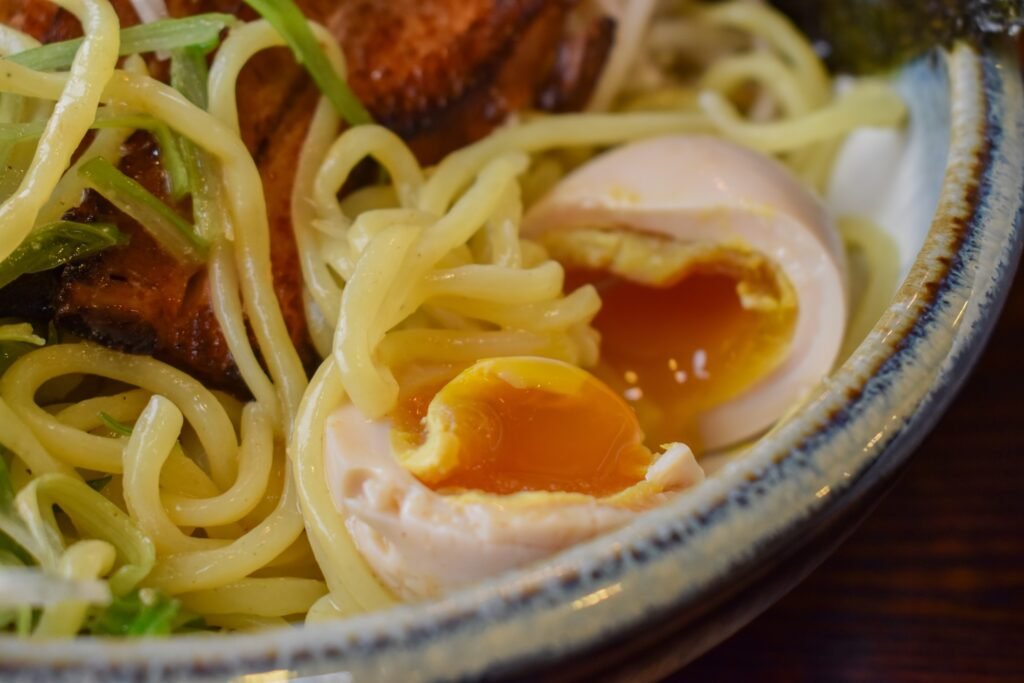
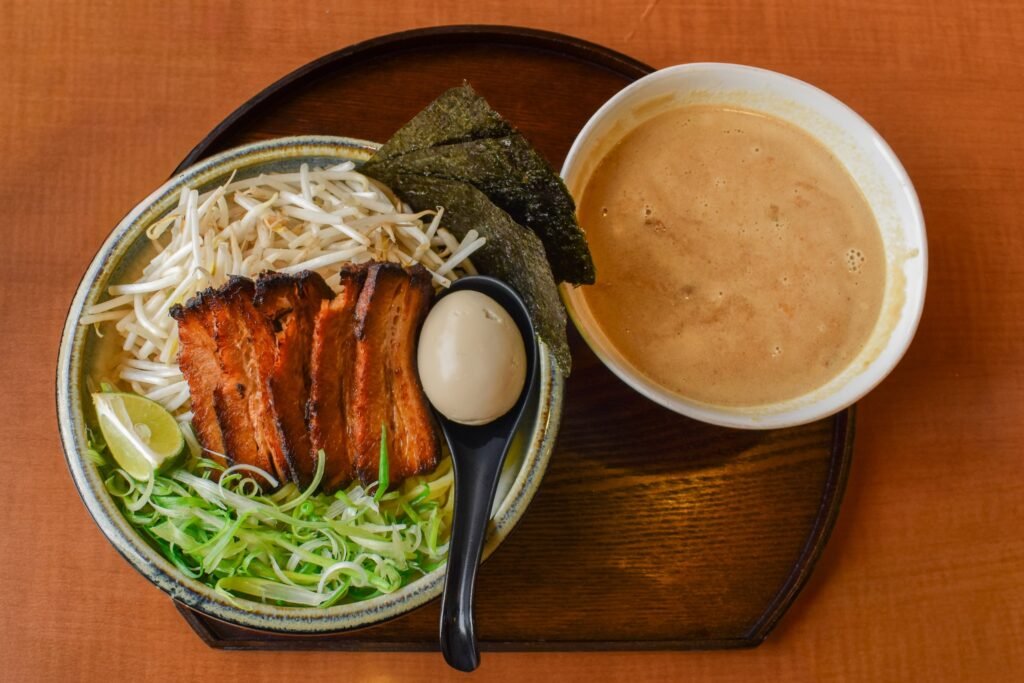
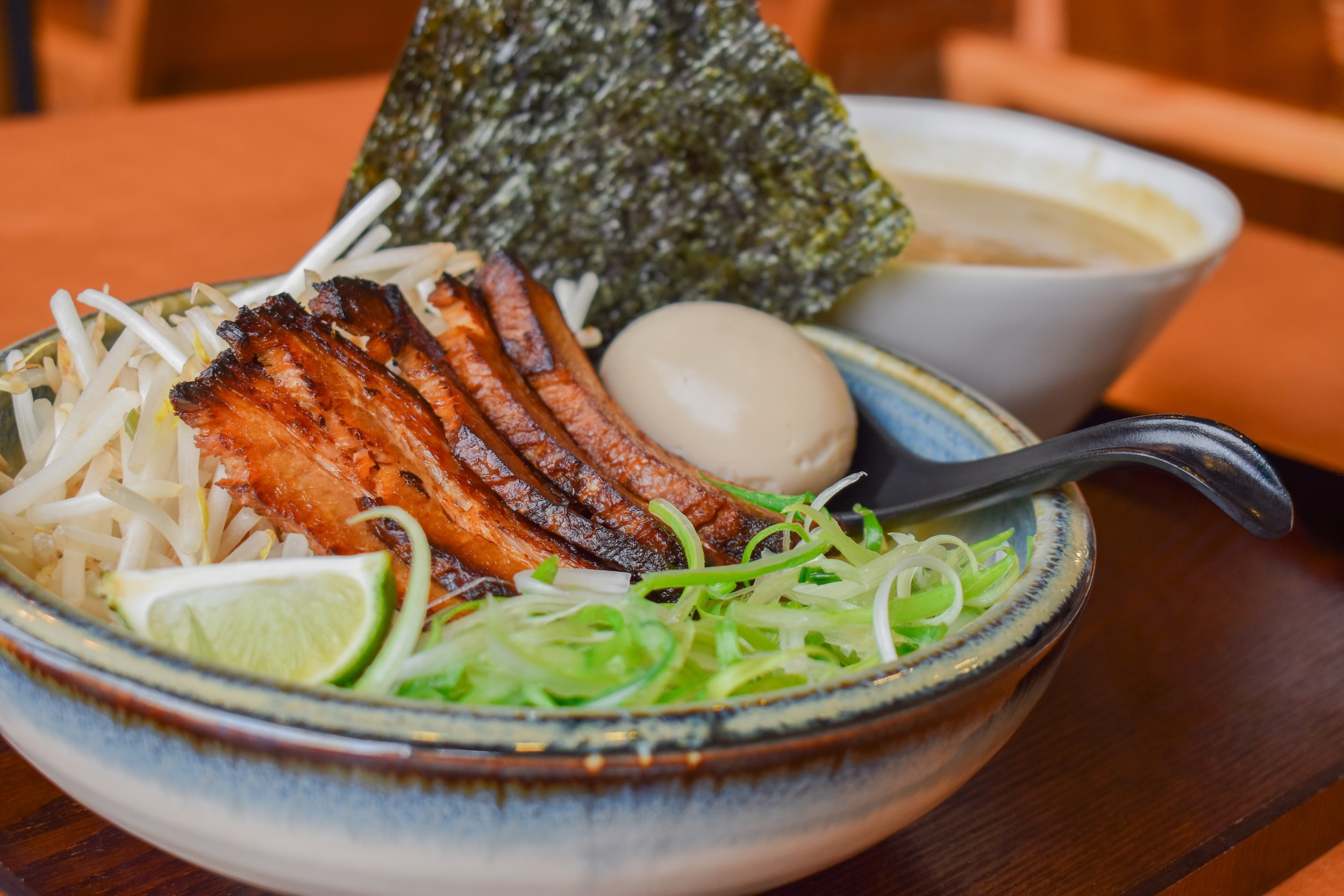
Tsukemen: Thick noodle | Chashu | Soy-braised egg | Green onion | Nori | Tonkostu broth
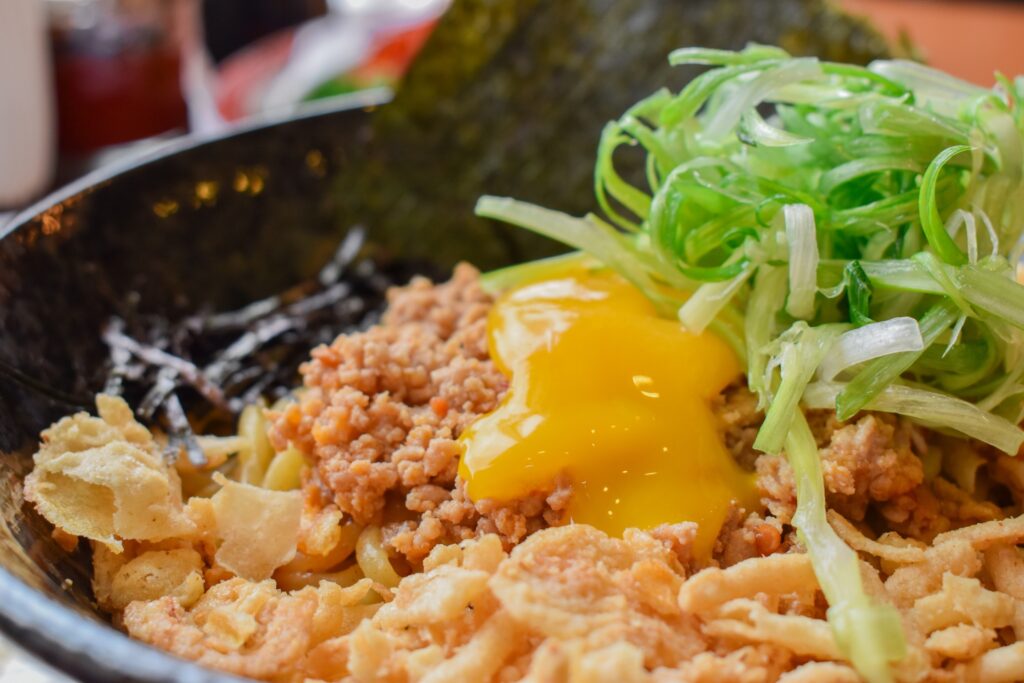
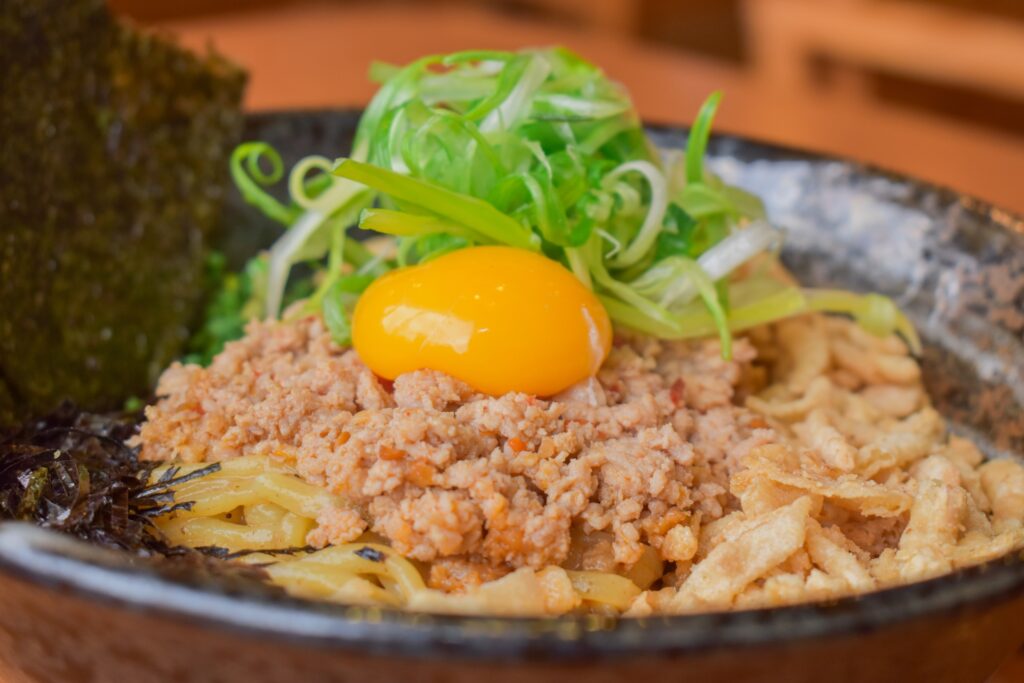
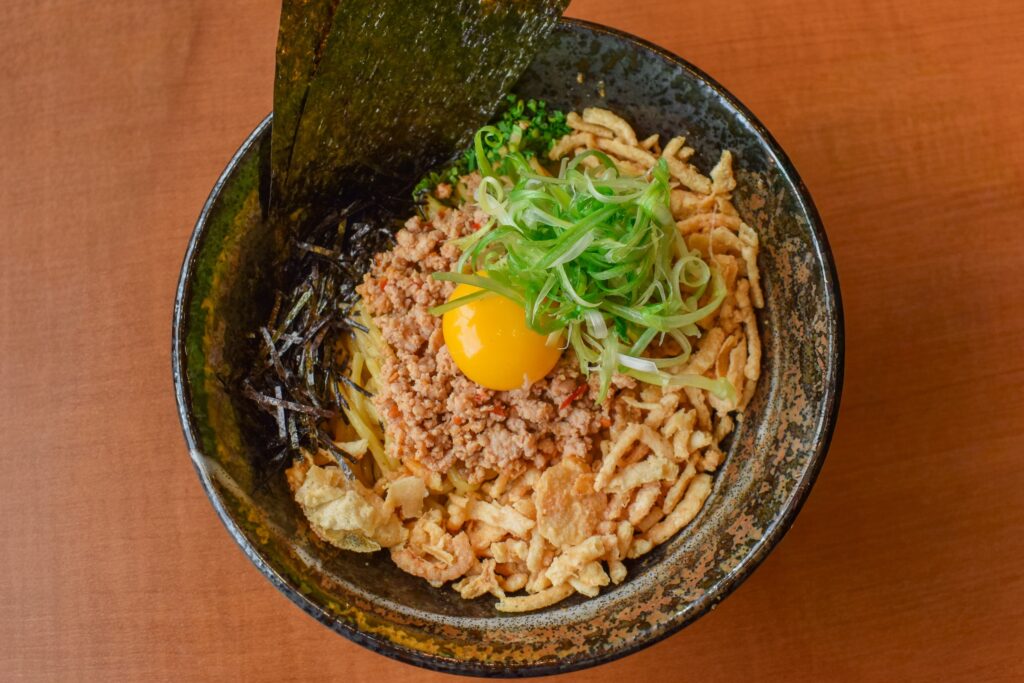
Mazemen: Ground pork | Thick noodle | Chives | Green onion | Nori | Egg yolk
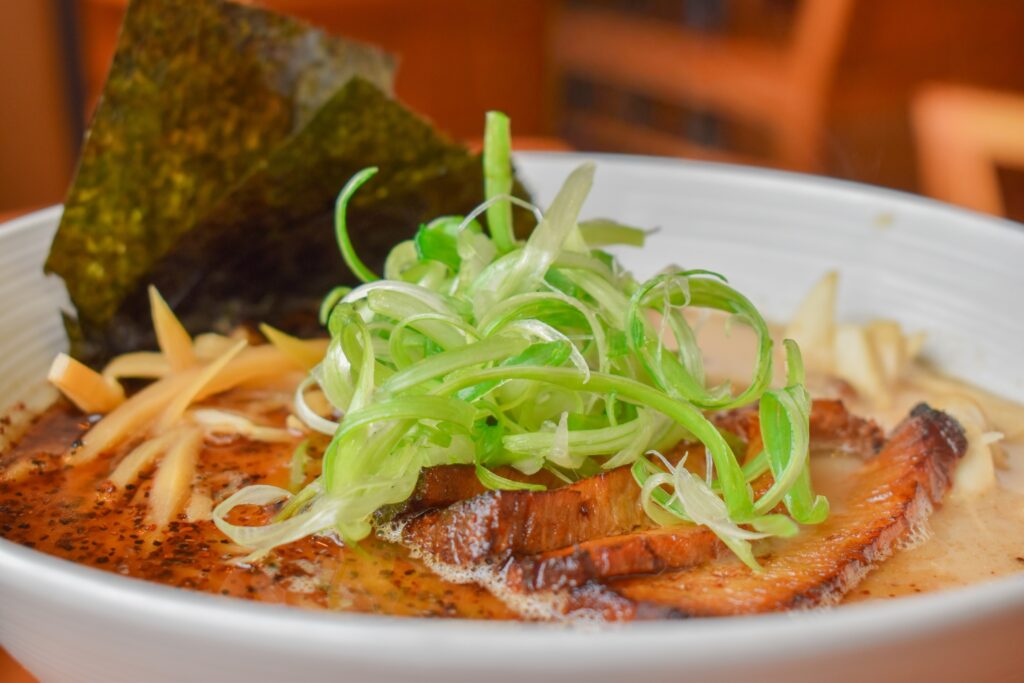
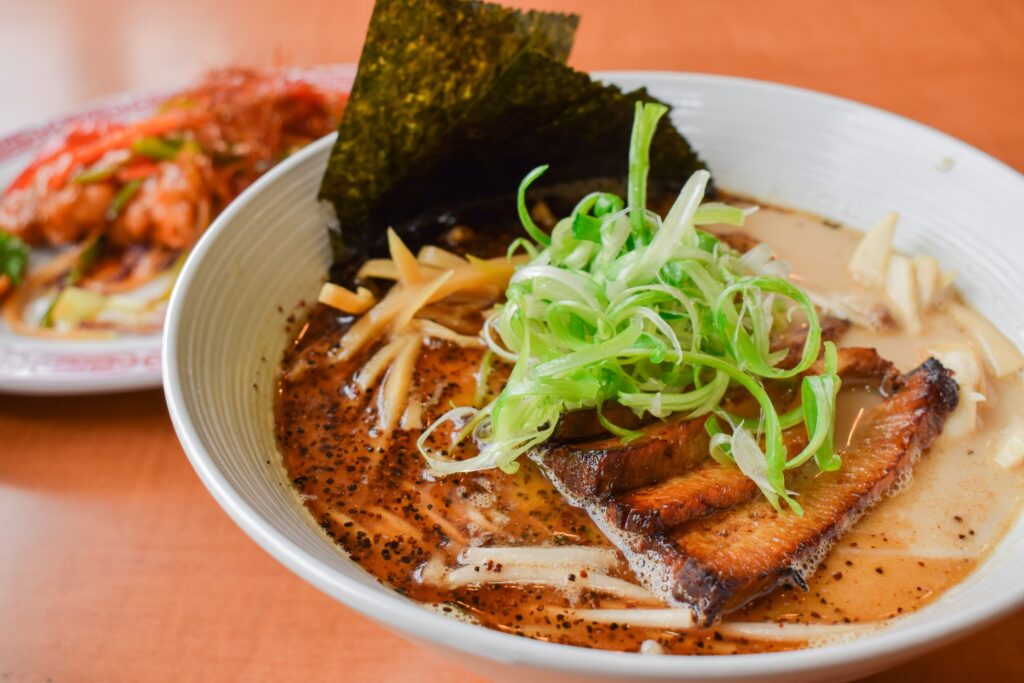
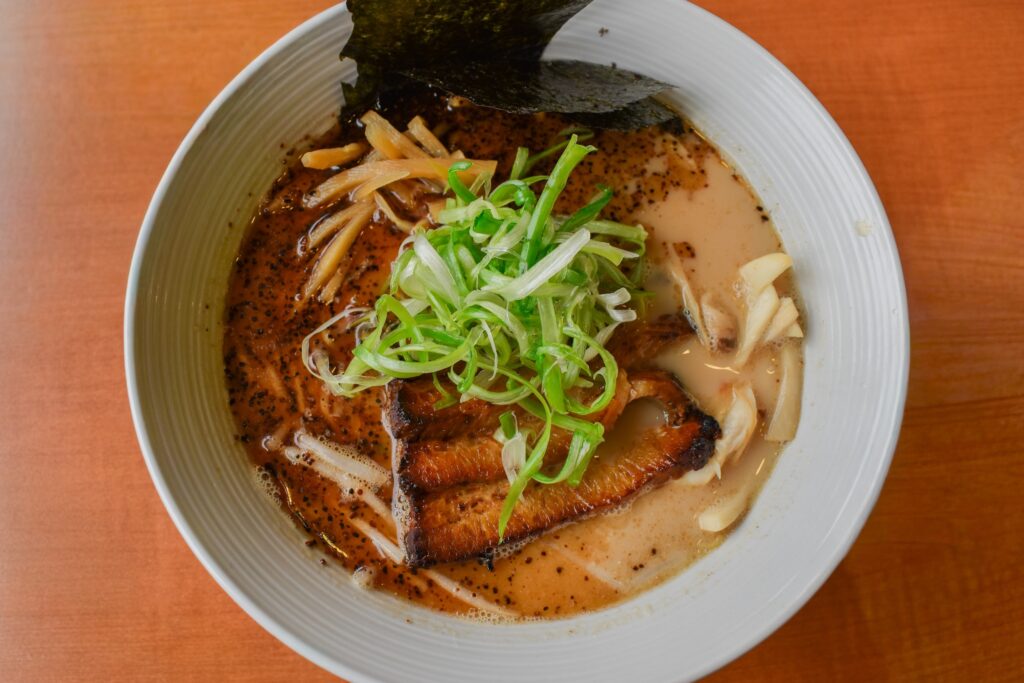
Black Garlic Tonkotsu: Noodle | Chashu | Black garlic oil | Soft-boiled egg | Nori | Bean sprouts | King Oyster mushroom | Bamboo shoot | Green onion
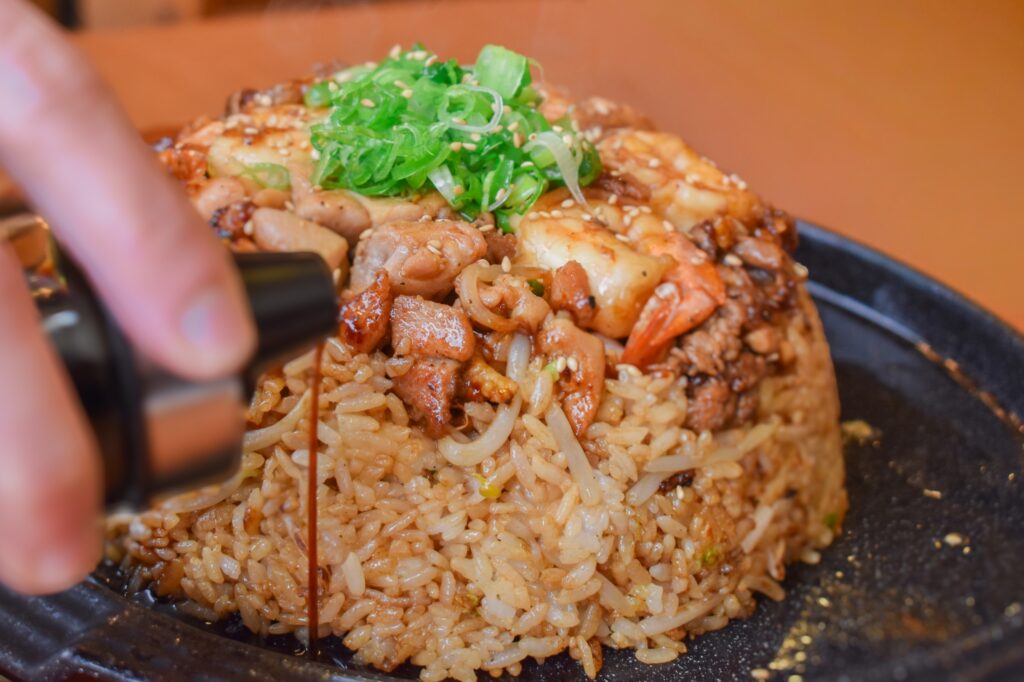
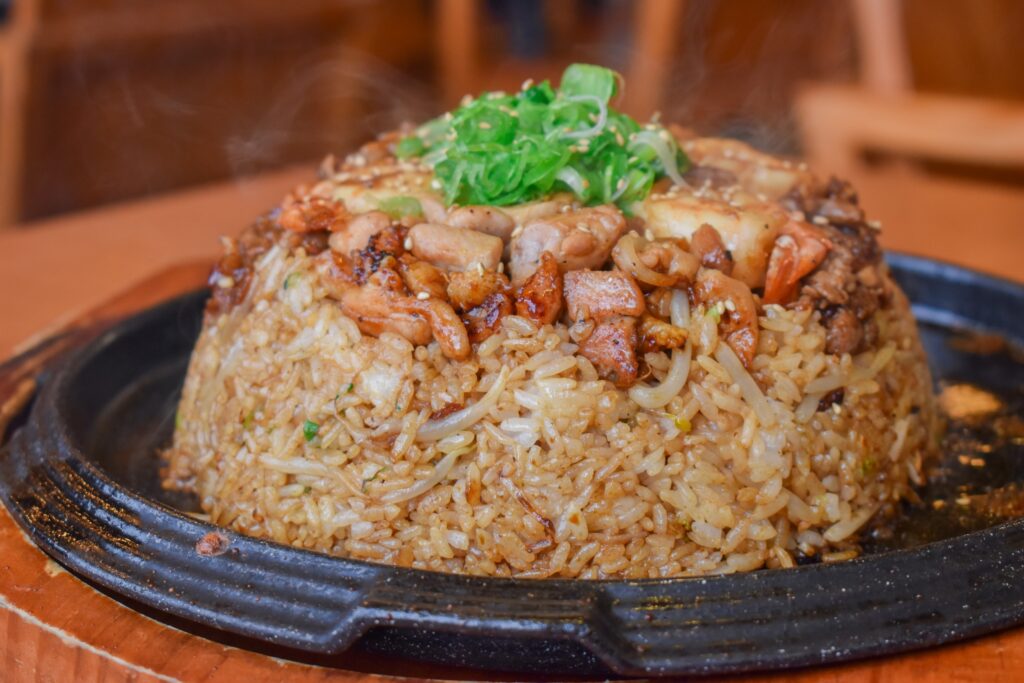
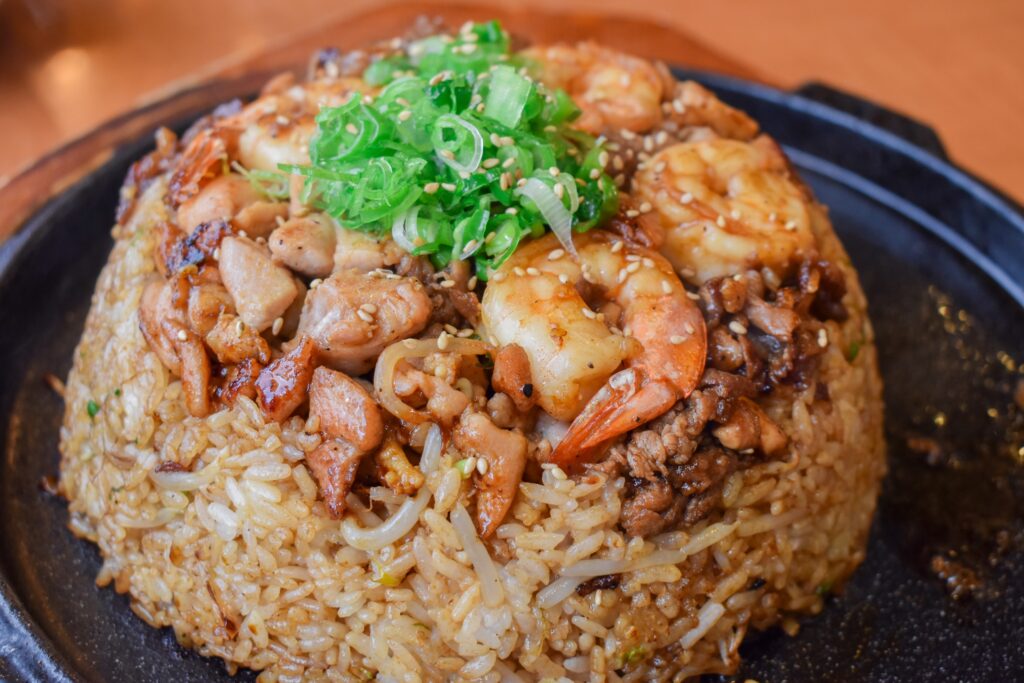
Combination Hibachi Fried Rice: Beef | Chicken | Shrimp | Green Onion | Bean sprouts
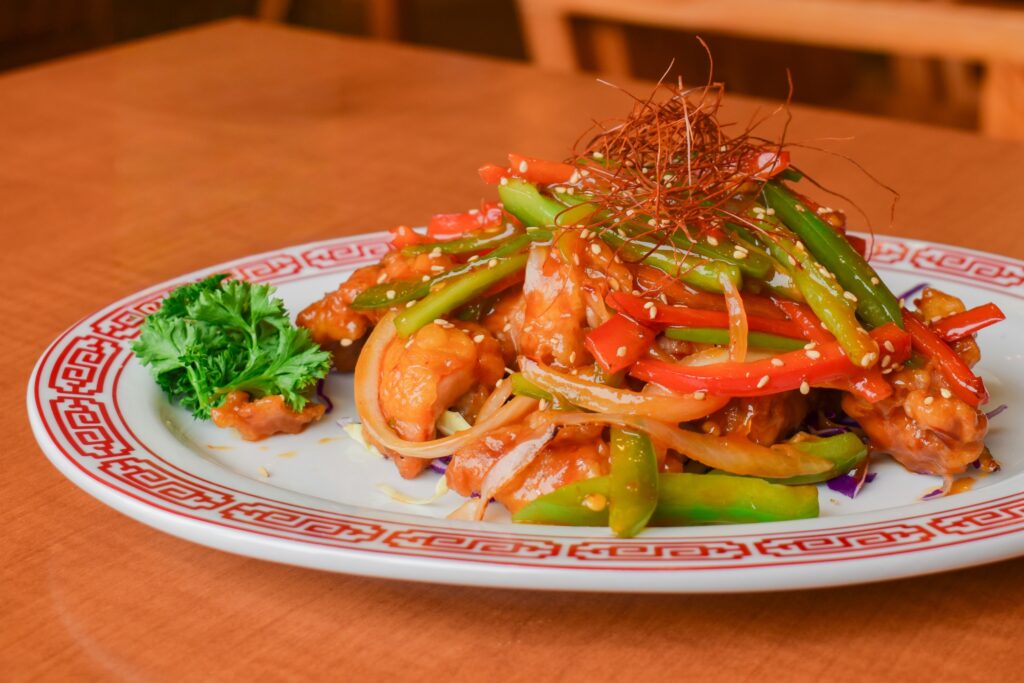
Spicy sesame chicken: Fried chicken | Sesame | Onion | Red and green bell pepper | Chile threads
Hinata Ramen is located at 4211 E. Willow St.