
Three Long Beach establishments—Ammatoli, Sonoratown, and Tokyo Noir—were honored by the Los Angeles Times in their annual rankings of restaurants and drink spaces. Ammatoli (#43) and Sonoratown (#26) each earned a nod on the coveted 101 Best Restaurants list. Tokyo Noir was named just one of seven places that restaurant critic Bill Addison and columnist Jenn Harris chose as the best places to grab drinks.
Tacos La Carreta, which ranked at #83 on last year’s year, fell off of the list entirely.
Surely, Sonoratown might be born in L.A.-proper. But we’ve co-opted the taqueria thanks to their incredible Long Beach location. And the other two? Well, they’re Long Beach no matter how the knafeh is sliced.
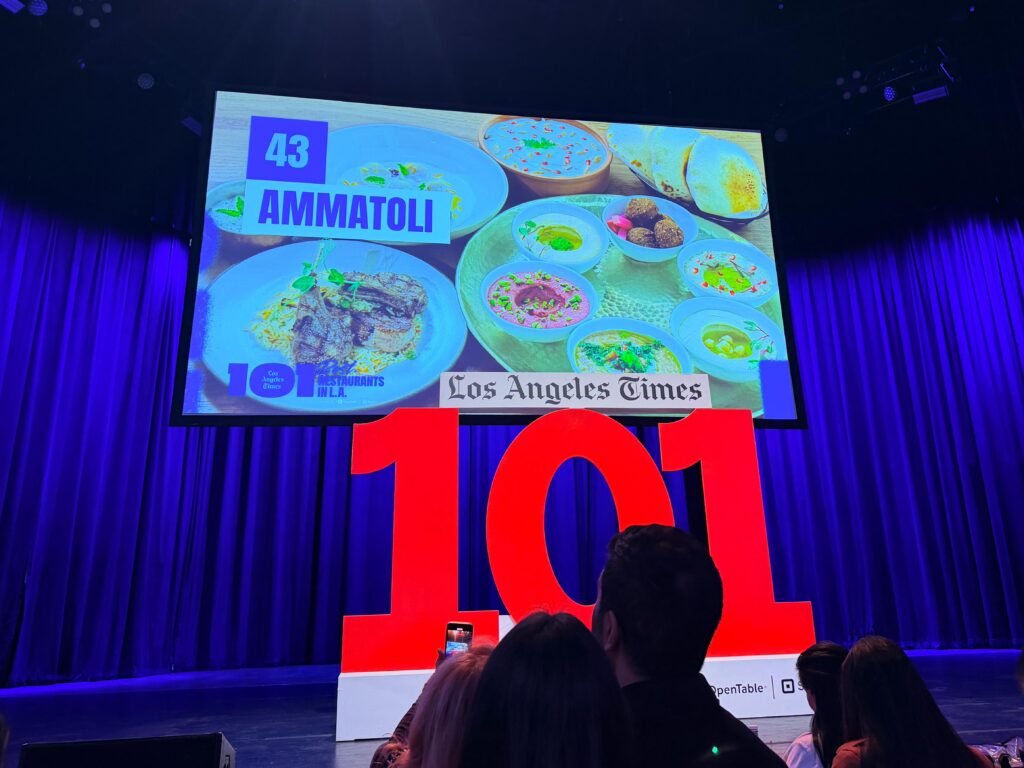
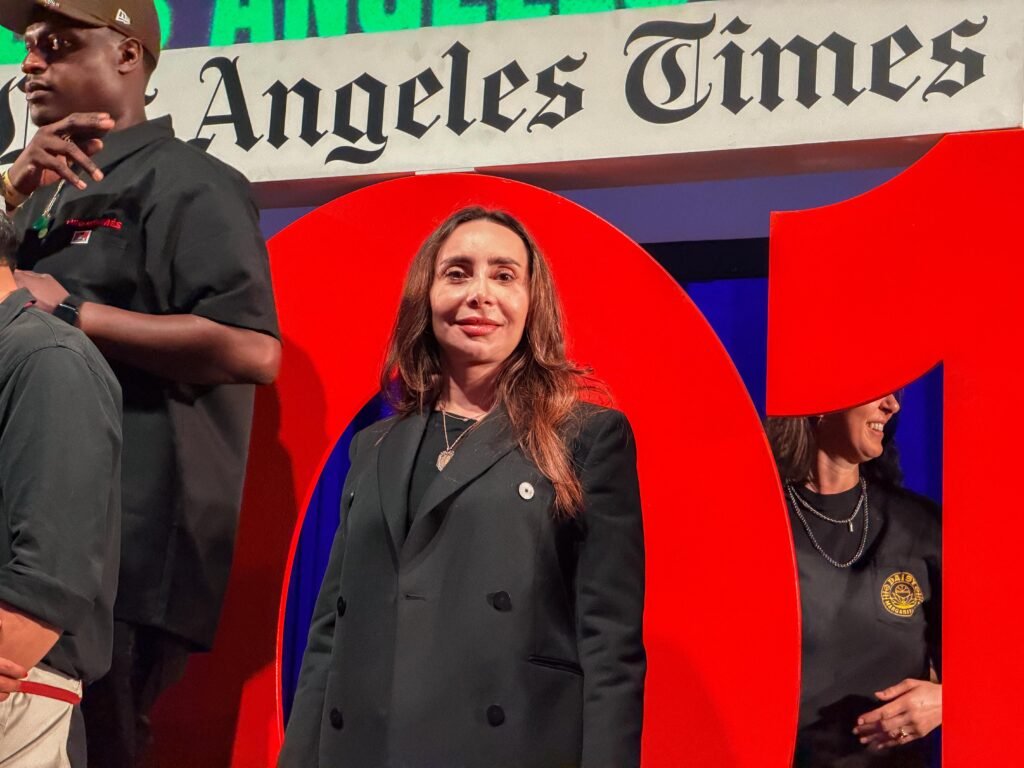
Ammatoli makes the list for the fifth year in a row.
Ammatoli remains the most recognized Long Beach restaurant on Bill (and now Jenn)’s list. (Though it should be noted that Phnom Penh Noodle Shack sits in the publication’s Hall of Fame, an honor that cannot be taken away once bestowed—and something that Ammatolí is likely to end up receiving at some point. In this vein, Selva has made the list twice.)
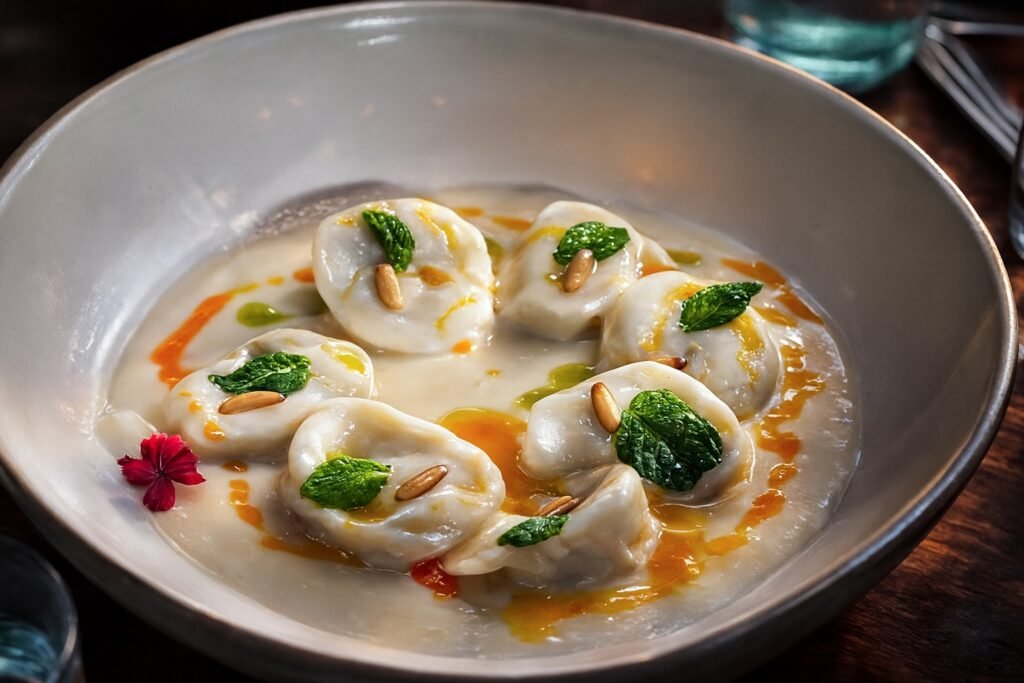
2025 proved more reason to love the space that Bill described as “the most gracious setting for consummate Levantine cooking in Southern California.” Shish barak and fattet djaj now grace Chef Dima Habibeh’s menu. Their wine list has never been better. Daughter and pastry chef Masah has turned their dessert menu into one of the finest in the city…
Even more, and something I’ve repeatedly said, Ammatoli is ultimately Chef Dima’s love letter from Jordan to Long Beach by way of the mighty Levant, particularly Syria and Palestine. It is a wonder of a space—and something that even the most ardent critics understand is special.
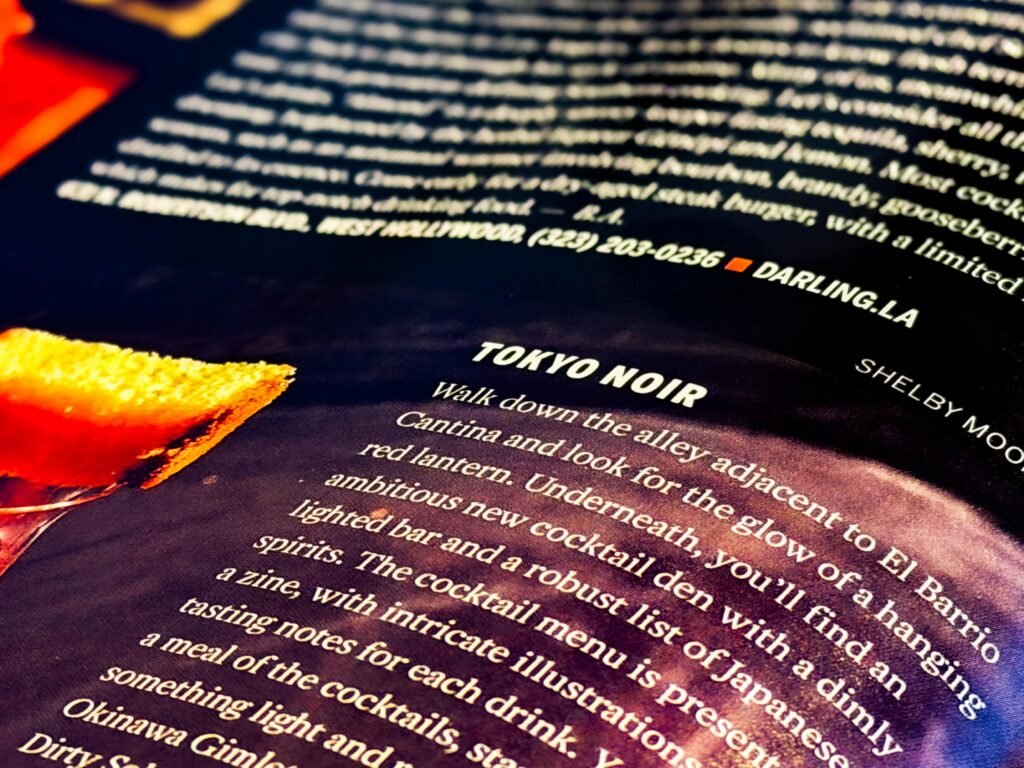
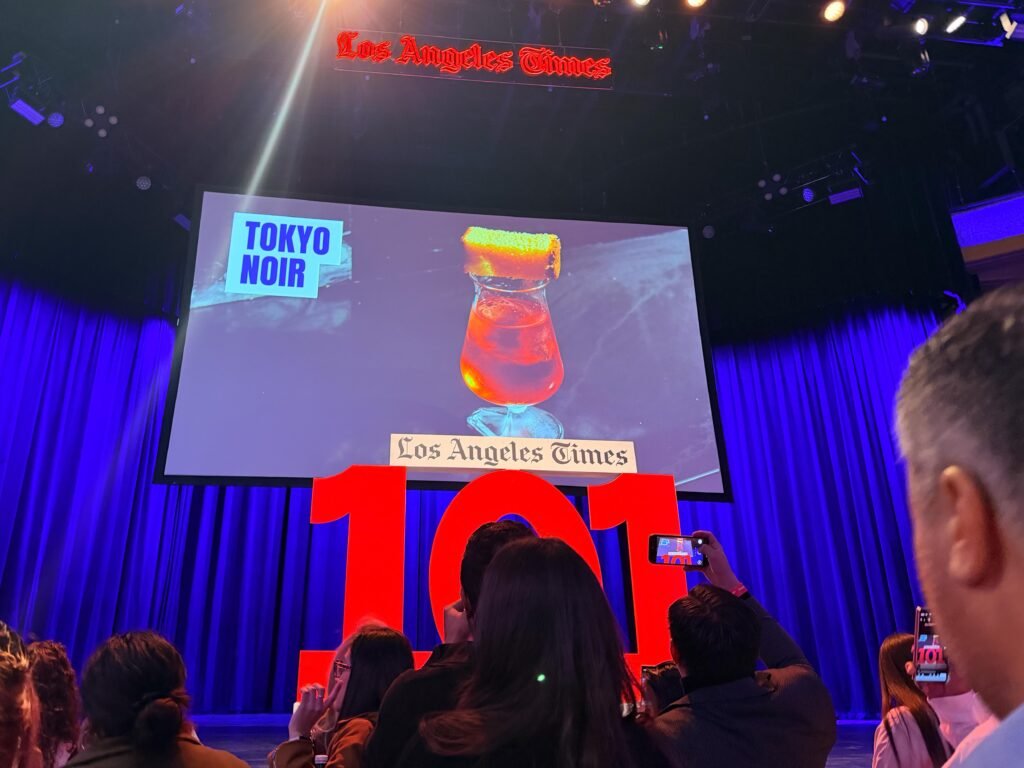
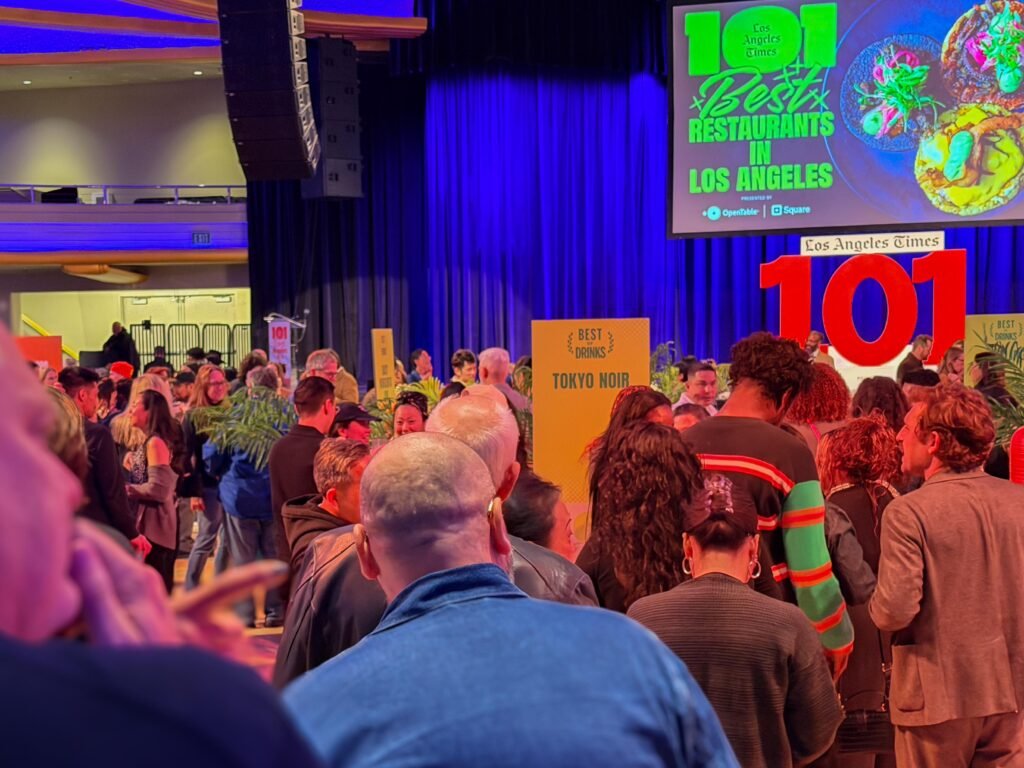
Tokyo Noir garners special nod amid hyper-minimal list of best places to score drinks.
In a list of just seven spaces, Tokyo Noir nabbed a coveted spot in Bill and Jenn’s choices for best places to score libations. And rightfully so: the most exciting cocktail concept to reach Long Beach since Spirited-recognized Baby Gee opened its doors down the street, Tokyo Noir sets to push the boundaries of what drinks can be.
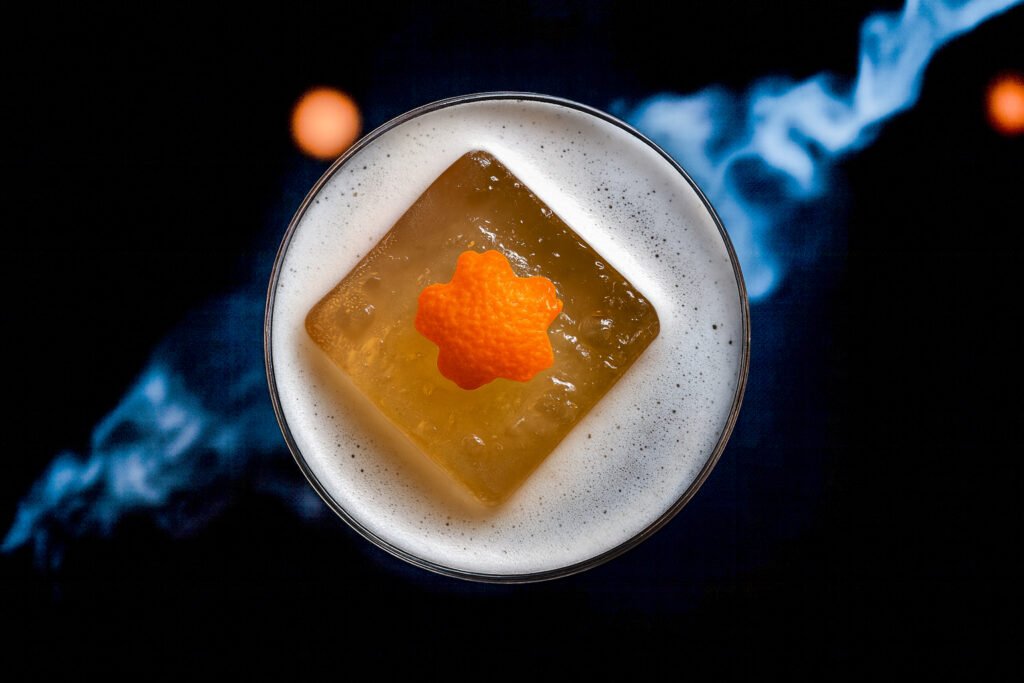
Here’s how lead beverage director Kevin Lee put it to me in 2024 when the space opened: “When I look at my favorite restaurants and the people I look up to the most—Chef Alain Passard or Dan Barber—and I just thought it was sad that if you ordered a negroni at an airport, it would basically be the same Negroni you’d get at any bar in L.A. You can’t replicate the experience of The French Laundry anywhere else in the world. So why can’t a bar be like that?”
Kevin’s commitment to craft is woven through every aspect of his work. You see it in his personal interpretation of Kazuo Uyeda’s famed—and sometimes infamous—three-point hard shake, a technique he uses to quietly demonstrate how a drink like Campari can reveal unexpected softness and sweetness. It appears again in his reverence for California’s dramatic seasons and their bounty, and in the way he speaks about the unhurried discipline of Japanese bartending—bars that willingly pause a guest’s night to share a lesson, a striking contrast to the speed-driven ethos of most American barrooms.
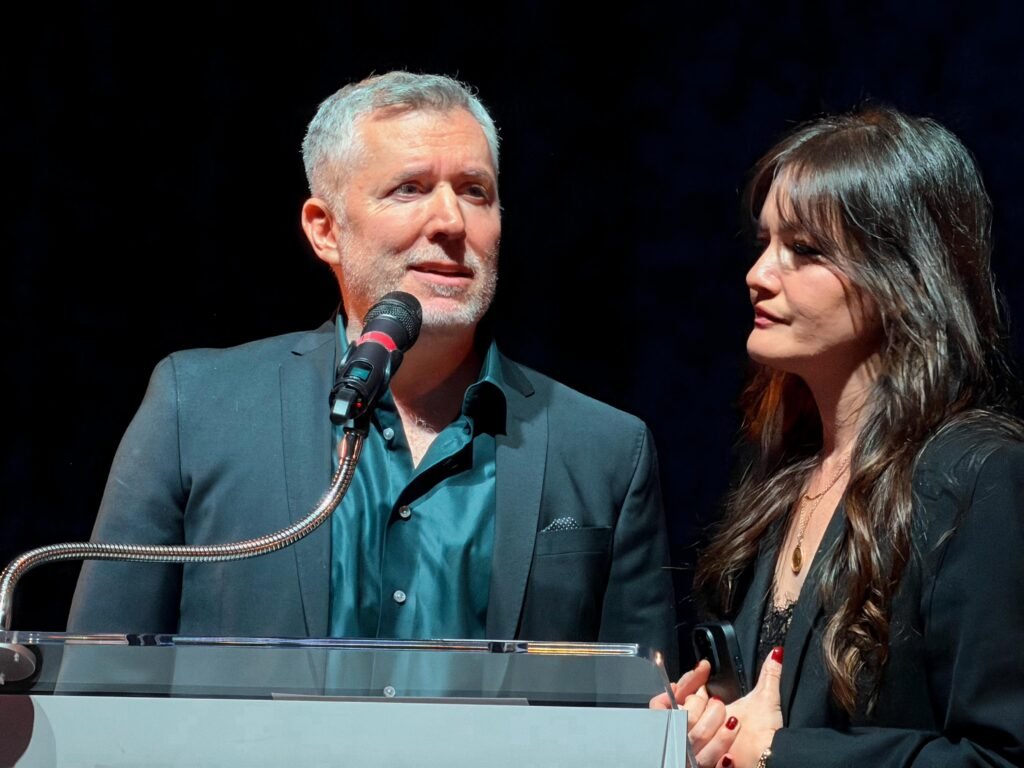
L.A. Times critic Bill Addison unveils his face—and effectively ends the American reign of the anonymous food critic.
Bill Addison was the country’s last anonymous restaurant critic. And while it might have shocked the majority of the world, many who know Bill knew his facial unveiling was something long in the coming. Kinda like L.A. knew it was coming when Jonathan Gold did the same. Discussing a potential unveil last year, in the handful of conversations I’ve had with him about anonymous food writing, there was both a sense of jealousy toward those in the food field who can be so open—and therefore have genuine relationships with chefs, bakers, owners, and, even more, their communities—and also a fierce, rightful pride in that his main focus was the reader, the patron.
He was, indeed, the last man standing.
In a world filled with entitled influencers who are often compensated for their opinion, clout chasers mindlessly uplifting anything that uplifts their popularity, and a food world that is increasingly the opposite of ambiguity when it comes to those creating it, Bill’s work served as a way to truly reflect, at least as close as we can get to, what a regular diner would experience becaus Bill wasn’t getting preferential treatment.
Even I hit the full weight of the uncomfortable But-You’re-Brian-Addison punch readers would often (and rightfully) throw my way when one reader gave a response to a question that made me realize how privileged I am because people know who I am. The question? “What’s the most disappointing aspect of the Long Beach Food Scene?” The response—from Dave Clark, whom I will always remember—read: “When my food comes out looking nothing like Brian Addison’s photos or like his descriptions.” Ooph.
Bill, I—amongst a plethora of food folk—salute you for your unveil and, just as happily, salute you for your anonymous work. In all honesty, I am just happy I no longer have to hide you when you visit Long Beach.